
พังผืดทับเส้นประสาท โรคฮิตของคนใช้งานมือมากเกินไป ที่รักษาได้
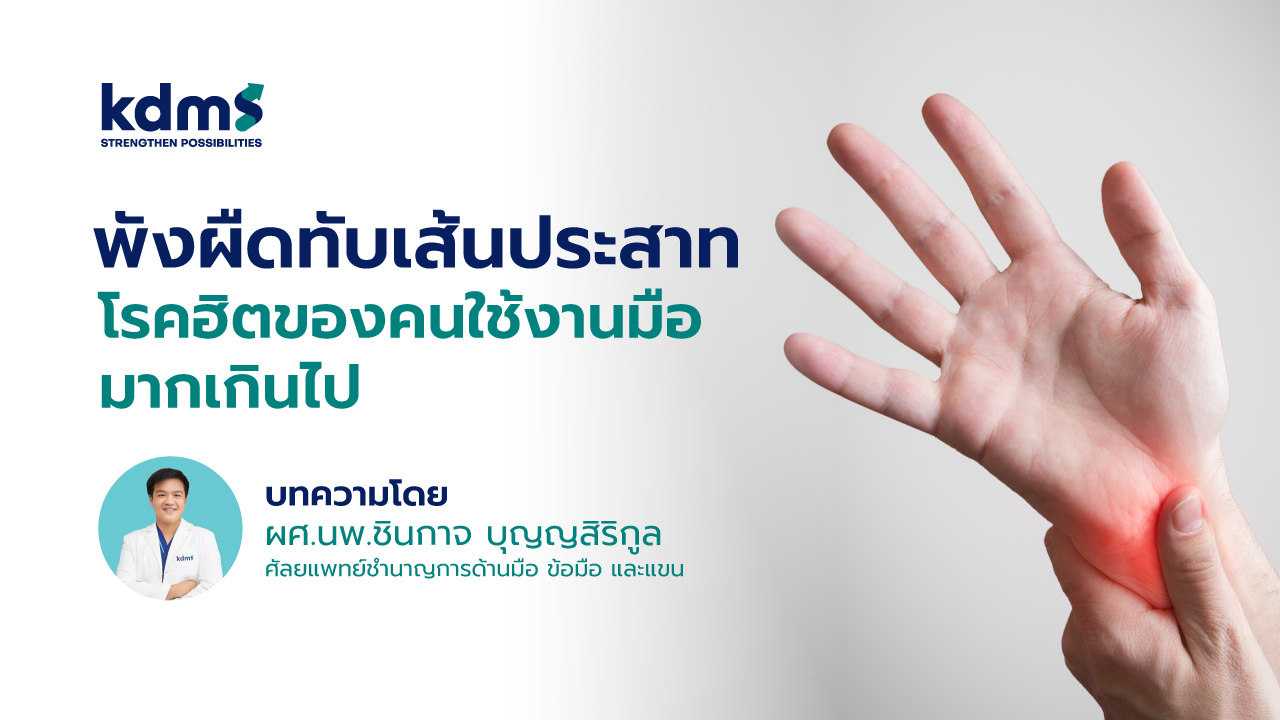
ผู้ที่ต้องทำงานโดยใช้ข้อมืออยู่เป็นประจำ หรือมีพฤติกรรมการใช้ข้อมืออยู่ในบางท่านานๆ เช่น การงอข้อมือ การกระดกข้อมือต่อเนื่องเป็นเวลานาน โดยเฉพาะพนักงานออฟฟิศที่ต้องใช้คอมพิวเตอร์แทบจะตลอดเวลา หรือคนที่ทำกิจกรรมเดิมซ้ำๆ กันเป็นกิจวัตร รวมไปถึงนักกีฬาในประเภทที่ต้องใช้ข้อมือมากๆ อาจทำให้เกิดอาการปวดข้อมือ ชามือ และอาจรู้สึกมือไม่ค่อยมีแรงรวมด้วย
ปัญหาเหล่านี้ถือเป็นสัญญาณที่บ่งบอกถึงโรคพังผืดทับเส้นประสาท ซึ่งเป็นโรคที่ไม่ควรปล่อยไว้นานๆ เพราะจะทำให้เรื้อรัง ต้องใช้ระยะเวลานานในการรักษาให้หาย หากปล่อยไว้นานมากเกินไปอาจทำให้กล้ามเนื้อนิ้วหัวแม่มืออ่อนแรงลง หยิบจับอะไรได้ไม่ถนัดเหมือนก่อน แต่หากรักษาเร็ว แก้ปัญหาตรงจุด ก็จะหายง่าย ฟื้นตัวจากอาการต่างๆ ได้เร็วยิ่งขึ้น
Table of Contents
สังเกตเบื้องต้น อาการเหล่านี้เข้าข่ายพังผืดทับเส้นประสาทหรือไม่
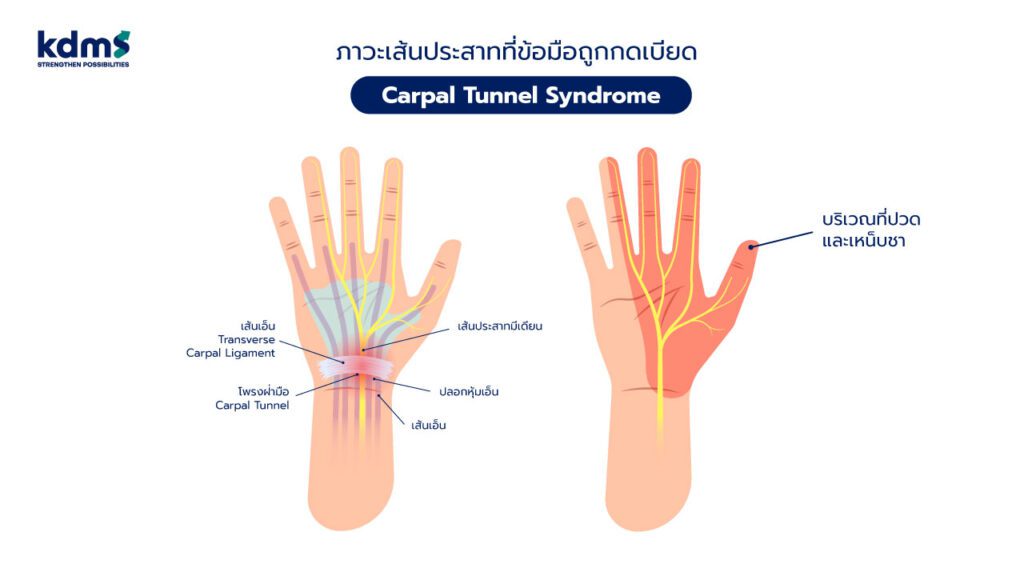
พังผืดทับเส้นประสาทเป็นโรคที่เกิดจากการใช้มือ และข้อมือมากๆ ทำให้เส้นเอ็นที่ผ่านมาในอุโมงค์ข้อมือ (Carpal Tunnel) บวมดันเส้นประสาทมาถูกเบียดกับพังผืด ทำให้เกิดอาการต่างๆ ตามมา ซึ่งสัญญาณจากเส้นประสาทใดๆ เหล่านี้อาจกำลังบ่งบอกว่าคุณอาจเป็นโรคพังผืดกดทับเส้นประสาทข้อมือ ซึ่งอาจเป็นอาการใดอาการหนึ่งหรือเป็นหลายๆ อาการก็เป็นได้
- มีอาการปวดบริเวณมือ ข้อมือ และนิ้ว โดยเฉพาะบริเวณนิ้วหัวแม่มือนิ้วชี้ และนิ้วกลาง
- รู้สึกเจ็บจี๊ดๆ บริเวณมือเหมือนมีเข็มทิ่ม
- บริเวณมือเกิดอาการมือชา เป็นเหน็บ
- ความรู้สึกออกร้อนที่มือ
- ความรู้สึกคล้ายโดนไฟช็อตที่บริเวณมือ
- มือเกิดอาการอ่อนแรง หยิบจับของได้ยาก บางครั้งเมื่อหยิบของแล้วหลุดจากมือได้ง่าย และไม่สามารถกำมือได้สนิท
ในระยะแรกอาการต่างๆ เหล่านี้อาจจะมีอาการชาเป็นบางช่วง โดยในช่วงเวลาเริ่มต้นมักเป็นช่วงกลางคืน และเช้ามืด หากอาการมากขึ้น ก็จะเป็นบ่อยมากยิ่งขึ้น หรือเป็นได้ตลอดเวลา ดังนั้น ผู้ที่มีอาการดังที่ได้กล่าวไปข้างต้นจึงไม่ควรละเลย หรือทิ้งไว้นาน เพราะอาการจะยิ่งมากขึ้นจนรบกวนชีวิตประจำวัน แม้ว่าจะมีอาการไม่ครบตามที่ได้กล่าวไป ก็สามารถปรึกษาแพทย์ได้ถึงอาการที่เกิดขึ้น ก่อนที่อาการจะเป็นมากขึ้น
ช่วงเวลาไหนที่มักพบอาการพังผืดทับเส้นประสาท
อาการของพังผืดกดทับเส้นประสาทข้อมือแม้จะไม่ได้เกิดขึ้นตลอดเวลา แต่มี 3 ช่วงเวลาหลักๆ ที่มักจะมีอาการกำเริบ หรือรุนแรงขึ้นกว่าช่วงเวลาอื่นๆ ของวัน
- ช่วงเวลากลางคืน
- หลังตื่นนอน
- ขณะที่ทำกิจกรรมที่มีการใช้งานมือข้างใดข้างหนึ่งเป็นเวลานาน เช่น ขับรถยนต์ เขียนหนังสือ ใช้คอมพิวเตอร์ ใช้โทรศัพท์มือถือ หรือทำงานบ้าน เป็นต้น
อาการแบบนี้ปล่อยไว้ไม่ได้ ต้องพบแพทย์

สำหรับใครที่มีอาการเข้าข่ายว่าจะเป็นพังผืดกดทับเส้นประสาทข้อมือ และอาการเริ่มส่งผลกระทบกับการใช้ข้อมือในชีวิตประจำวัน ไม่สามารถใช้ข้อมือได้อย่างเต็มที่ เช่น หยิบจับของไม่ถนัด หยิบแล้วหล่น ไม่สามารถขับรถได้นาน หรือใช้งานคอมพิวเตอร์แล้วเกิดอาการปวดที่บริเวณข้อมือ หากมีอาการเหล่านี้ ควรพักการทำกิจกรรม และหยุดใช้ข้อมือข้างที่มีอาการประมาณ 1-2 อาทิตย์ หากพักแล้วอาการยังไม่ดีขึ้น ควรพบปรึกษาแพทย์
เช็กให้แน่ใจ ด้วยผลการวินิจฉัยของแพทย์ผู้ชำนาญการ
การตรวจอาการของพังผืดทับเส้นประสาท สามารถใช้หลายวิธีร่วมกันได้ ไม่ว่าจะเป็นการซักประวัติอาการ การตรวจร่างกาย และการตรวจเพิ่มเติมด้วยไฟฟ้าวินิจฉัย ซึ่งแพทย์จะทำการประเมินอาการและวิธีตรวจตรวจตามความเหมาะสมต่อผู้ป่วยแต่ละราย
การตรวจร่างกาย (Physical Examination)
การตรวจร่างกายเป็นวิธีการตรวจโรคพังผืดทับเส้นประสาทที่สำคัญ โดยแพทย์จะเริ่มจากการซักถามประวัติและอาการก่อน หลังจากนั้นจะทำการตรวจสอบเบื้องต้น ซึ่งขั้นตอนในการตรวจมีดังนี้
- เคาะบริเวณเส้นประสาทที่ข้อมือ เพื่อทดสอบความผิดปกติ
- ทดลองงอข้อมือข้างที่มีอาการ เพื่อสังเกตอาการชา และความปวดที่เกิดขึ้น
- วัดความไวต่อความรู้สึกที่ปลายนิ้วและมือ
- ตรวจสอบความแข็งแรงของกล้ามเนื้อบริเวณโคนนิ้วหัวแม่มือ
การตรวจเพิ่มเติมด้วยไฟฟ้าวินิจฉัย (Electrodiagnosis)
สำหรับผู้ป่วยบางรายที่วินิจฉัยด้วยการตรวจร่างกายแล้วได้ผลการตรวจที่ไม่ชัดเจน แพทย์จะแนะนำให้ตรวจเพิ่มเติมด้วยไฟฟ้าวินิจฉัย
การตรวจวิธีนี้ใช้เพื่อหาความผิดปกติของเส้นประสาท โดยการวัดความเร็วการนำกระแสประสาท ของเส้นประสาทที่มีปัญหา เพื่อช่วยยืนยันอาการของโรคพังผืดทับเส้นประสาท และแยกโรคอื่นๆ ที่อาจทำให้เกิดอาการชาในบริเวณเดียวกัน เช่น โรคหมอนรองกระดูกทับเส้นประสาทที่คอ เป็นต้น
ปัจจัยเสี่ยงที่ทำให้เกิดโรคพังผืดทับเส้นประสาท
พังผืดกดทับเส้นประสาทข้อมือเป็นกลุ่มโรคที่เกิดจากการที่เส้นประสาทบริเวณข้อมือถูกกดทับต่อเนื่องเป็นระยะเวลานาน ส่วนใหญ่แล้วมีสาเหตุมาจากพฤติกรรมการใช้ข้อมือผิดท่า รวมไปถึงมีการใช้งานมือ และข้อมือที่มากเกินไป เช่น การทำงานบ้าน การขับขี่ยานพาหนะ การทำงานที่ต้องใช้คอมพิวเตอร์ โทรศัพท์มือถือ รวมถึงอุปกรณ์อื่นๆ เป็นระยะเวลานาน
แนวทางการรักษาพังผืดทับเส้นประสาท
วิธีการรักษาพังผืดทับเส้นประสาทนั้นมีแนวทางในการรักษาด้วยกัน 2 วิธี คือ การรักษาแบบไม่ต้องผ่าตัด และการรักษาแบบผ่าตัดพังผืดที่มือ ส่วนใหญ่แล้วแพทย์มักจะแนะนำให้รักษาแบบไม่ต้องผ่าตัดก่อน หากไม่ดีขึ้นจึงทำการผ่าตัด
การรักษาพังผืดทับเส้นประสาทแบบไม่ต้องผ่าตัด

เป็นวิธีการรักษาพังผืดทับเส้นประสาทข้อมือในขั้นต้น โดยระหว่างนั้นแพทย์ก็จะให้ผู้ป่วยสังเกตอาการตัวเองว่ามีแนวโน้มที่จะดีขึ้นหรือไม่ ซึ่งวิธีการรักษามีด้วยกันหลายแบบ ดังนี้
- การดามประคองข้อมือ ส่วนใหญ่ใช้ในระยะเริ่มต้น
- การใช้ยาต้านการอักเสบ เพื่อบรรเทาอาการปวดในระยะสั้นๆ
- ฉีดสเตียรอยด์ ซึ่งเป็นสารที่มีคุณสมบัติในการต้านการอักเสบ และระงับอาการปวด
- การกายภาพบำบัด ซึ่งสามารถทำได้หลายวิธี
การรักษาแบบผ่าตัดพังผืดที่ข้อมือ
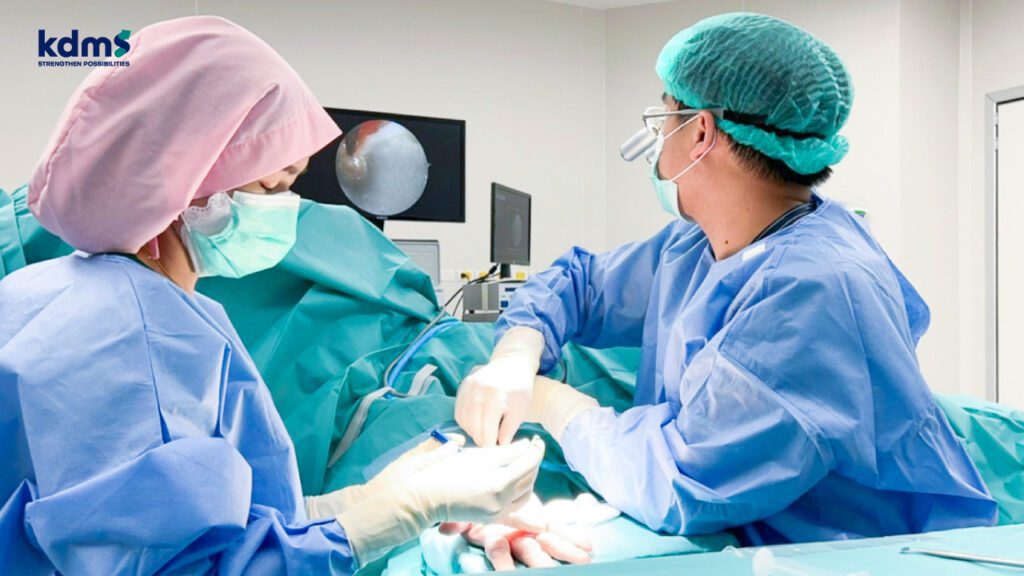
ผู้ป่วยที่รักษาด้วยการไม่ผ่าตัดแล้วอาการไม่ดีขึ้น แพทย์จะแนะนำให้รักษาด้วยการผ่าตัดพังผืดที่มือ เพราะหากรักษาด้วยวิธีการแบบเดิมจะยิ่งทำให้อาการเรื้อรังนานขึ้น เช่น รู้สึกชากว่าเดิม หรือกล้ามเนื้อโคนนิ้วหัวแม่มือฝ่อลีบ ในบางคนอาจมีอาการหยิบจับสิ่งของไม่ถนัด อาการของโรครบกวนการนอนและส่งผลกระทบต่อการใช้ชีวิตประจำวัน ถือเป็นสัญญาณว่าควรเข้ารับการผ่าตัดได้แล้ว
สำหรับการผ่าตัดพังผืดที่มือเป็นการผ่าตัดเพื่อเอาพังผืดที่หนาและแข็งตัวออก ซึ่งการผ่าตัดด้วยกัน 2 วิธีหลัก ดังนี้
- ผ่าตัดแบบเปิด เป็นวิธีการผ่าตัดเพื่อคลายพังผืดที่กดทับเส้นประสาทออกผ่านทางการเปิดแผลปกติ โดยแผลจากการผ่าตัดมีความยาวประมาณ 3-4 ซม. บริเวณกลางฝ่ามือ
- การผ่าตัดผ่านการส่องกล้อง เป็นการนำเทคโนโลยีการผ่าตัดผ่านกล้องเข้ามาช่วยในการรักษาโรค โดยใช้กล้องส่องเข้าไปดูพังผืดที่เป็นปัญหาและทำการผ่าตัดคลายพังผืดที่ข้อมือผ่านกล้อง
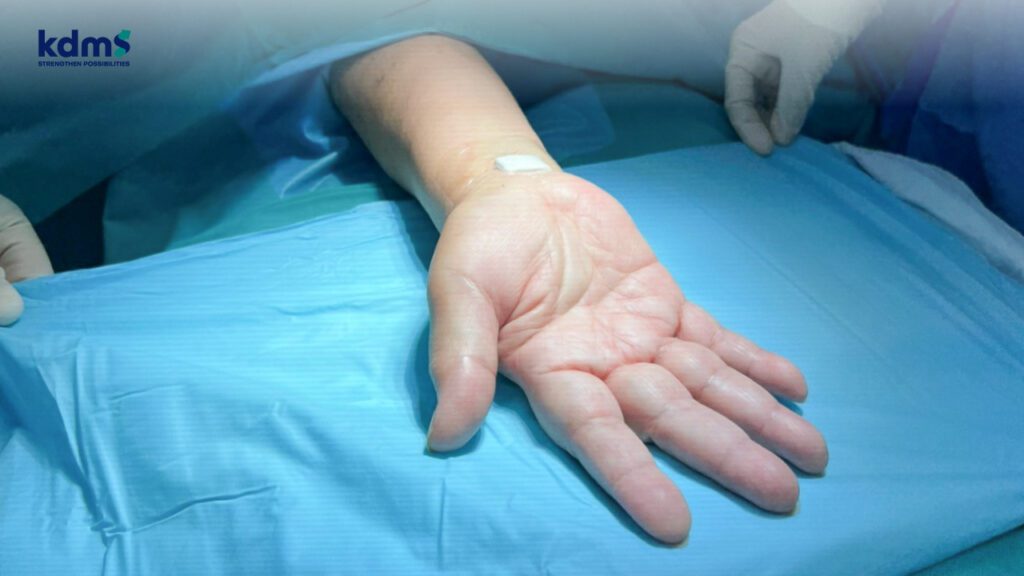
การผ่าตัดวิธีนี้จะให้แผลที่เล็กกว่าผ่าตัดแบบเปิด โดยมีขนาดเล็กเพียง 1 ซม. ที่ข้อมือ ทำให้ดูแลแผลได้ง่าย หลังผ่าตัดสามารถใช้งานข้อมือแบบเบาๆ ได้ทันที สามารถใช้งานมือได้สะดวกกว่าแผลที่ฝ่ามือ ซึ่งจะช่วยให้กลับไปใช้ข้อมือในกิจวัตรประจำวันได้เร็วขึ้น
ปรับเปลี่ยนไลฟ์สไตล์เพื่อให้อาการดีขึ้น
ส่วนใหญ่แล้ว โรคพังผืดทับเส้นประสาทมีสาเหตุมาจากพฤติกรรมในกิจวัตรประจำวัน การใช้งานข้อมือที่หนักเกินไป จนพังผืดมีขนาดใหญ่ขึ้น สำหรับผู้ที่มีอาการในเบื้องต้น การปรับเปลี่ยนไลฟ์สไตล์ หรือปรับเปลี่ยนท่าทางในการใช้มือให้อยู่ในองศาให้มือและแขนเป็นแนวเดียวกัน ก็จะบรรเทาอาการพังผืดทับเส้นประสาทให้ทุเลาลงได้ ซึ่งแนวทางการปรับเปลี่ยนไลฟ์สไตล์ในเบื้องต้นนั้น มีดังนี้
- ใช้งานข้อมือให้น้อยลง หรือมีช่วงพักข้อมือบ้างเพื่อไม่ให้เกิดการกดทับมากเกินไป
- เปลี่ยนท่าทางการวางข้อมือให้เหมาะสม โดยมีหลักการ คือ ให้มือกับแขนวางเป็นแนวเดียวกัน เพื่อลดการกดทับ
- ระวังไม่ให้มีการงอข้อมือเวลาทำกิจกรรมมากเกินไป เช่น ตอนขับรถ หรือตอนเขียนหนังสือก็ต้องไม่หักข้อมือมากเกินไป
- หาอุปกรณ์ที่ช่วยลดการหักข้อมือ เช่น ใช้เมาส์ก็ต้องมีตัวรองข้อมือ ใช้คีย์บอร์ดก็ต้องมีตัวหนุนข้อมือ เป็นต้น
คำถามที่พบบ่อย
รักษาด้วยการฉีดสเตียรอยด์อันตรายไหม
การฉีดสเตียรอยด์เป็นการฉีดยาเพื่อลดการอักเสบซึ่งทำให้เกิดการบวมของเส้นประสาทและเส้นเอ็น และยังสามารถยับยั้งอาการปวดได้อีกด้วย ซึ่งการฉีดสเตียรอยด์ในผู้ป่วยพังผืดทับเส้นประสาทเป็นวิธีการรักษาตามมาตรฐาน ที่ให้ผลดีในคนไข้ที่อาการไม่รุนแรง หรือยังมีอาการได้ไม่นาน ปกติแล้วแพทย์มักจะรักษาด้วยวิธีนี้ โดยจะฉีดให้คนไข้ไม่เกิน 1-2 ครั้ง
หากรักษาด้วยการฉีดสเตียรอยด์แล้วอาการไม่ดีเท่าที่ควร อาจต้องมองหาการรักษารูปแบบอื่นๆ ที่ได้ผลมากขึ้นอย่างการผ่าตัด สำหรับใครที่กังวลว่าการฉีดสเตียรอยด์จะเป็นอันตราย ต้องบอกว่าการฉีดสเตียรอยด์นั้นเป็นการรักษาเฉพาะจุดที่ต้องการเท่านั้น ทำให้ไม่ส่งผลต่อร่างกายโดยรวม
ใช้เวลาเท่าไหร่ถึงจะสามารถใช้ข้อมือหลังจากการผ่าตัดได้
การผ่าตัดพังผืดที่มือเป็นการรักษาอาการชาและอาการปวดจากเส้นประสาทที่ถูกกดทับ โดยอาการปวดที่เป็นจะดีขั้นหลังผ่าตัด ส่วนอาการชาที่เกิดจากพังผืดนั้น จะค่อยๆ ดีขึ้นตามมา
ส่วนระยะเวลาในการหายชา กลับเป็นปกตินั้นขึ้นอยู่กับหลายปัจจัย อาจใช้เวลาในการฟื้นตัวเป็นหลักสัปดาห์ บางรายใช้เวลาหลักเดือน แต่ไม่ว่าจะมีอาการมานานแค่ไหน หลังการผ่าตัดสุดท้ายจะหายดี และสามารถใช้ข้อมือตามปกติได้ในที่สุด
สรุป
โรคพังผืดทับเส้นประสาทเป็นโรคที่เกิดจากพฤติกรรมการใช้ข้อมือที่หนักเกินไป หรือข้อมืออยู่ในท่าที่ผิดแบบเดิมซ้ำๆ จนเกิดการกดทับอย่างต่อเนื่อง ทำให้เกิดเป็นพังผืด ซึ่งอาการของพังผืดกดทับเส้นประสาทข้อมือมีตั้งแต่อาการปวดที่ข้อมือ อาการชา บางรายอาจร้ายแรงถึงขั้นมีอาการอ่อนแรง หยิบจับของไม่ถนัด จับอะไรก็หล่นได้ง่าย ซึ่งการรักษาพังผืดทับเส้นประสาทควรเริ่มจากการปรับใช้งานมือให้เหมาะสม การทานยาเพื่อรักษาอาการ การใส่เฝือกอ่อน และการกายภาพบำบัด สำหรับผู้ป่วยที่รักษาด้วยการผ่าตัดแล้วอาการไม่ดีเท่าที่ควร อาจต้องผ่าตัดคลายพังผืดที่มือเพื่อให้เส้นประสาททำงานให้ดีขึ้น
บทความโดย ผศ.นพ.ชินกาจ บุญญสิริกูล ศัลยแพทย์ชำนาญการด้านมือและข้อมือ