
เอ็นข้อมืออักเสบ เจ็บได้ หายได้ ถ้าดูแลรักษาให้ถูกวิธี
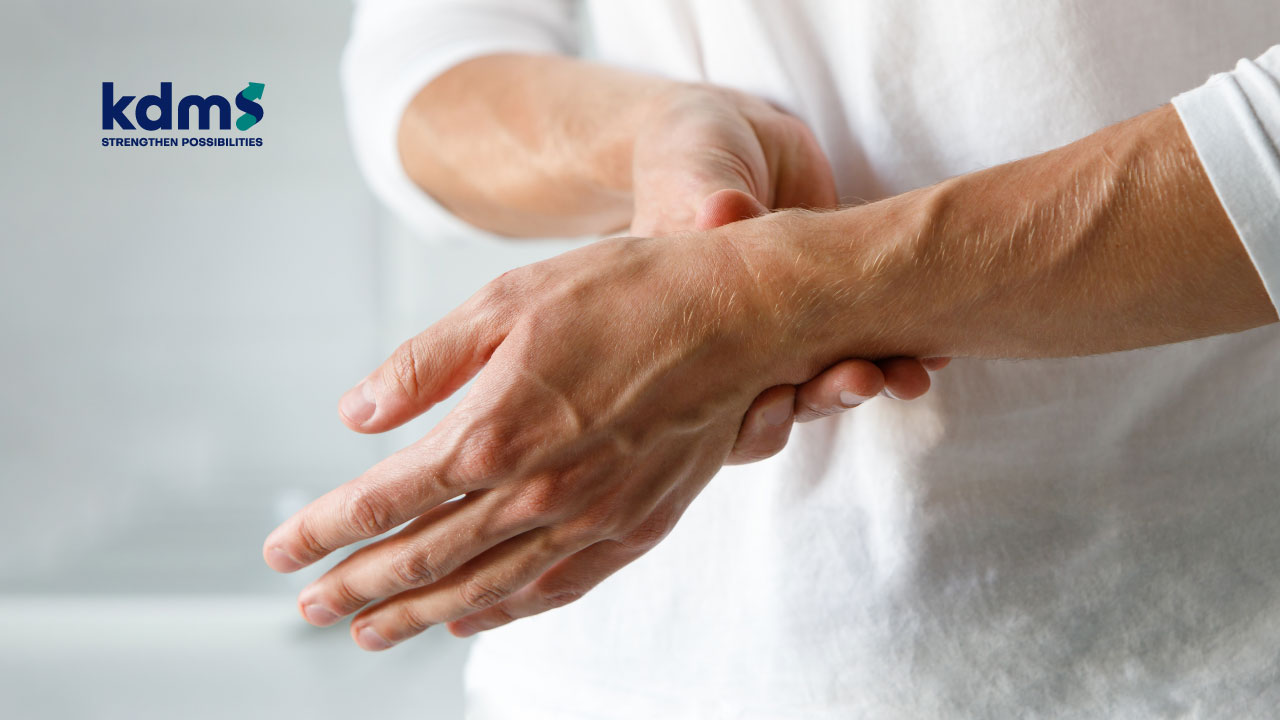
‘เจ็บแปลบข้อมือทุกทีที่ยกของผิดองศา’
‘จะอุ้มเจ้าตัวน้อยทีไร เจ็บข้อมือจนยกตัวเขาขึ้นมาไม่ไหว’
‘ปวด บวม ตรงข้อมือแบบที่หยิบปากกามาเขียนหนังสือยังยาก’
ถ้าคุณมีอาการเจ็บที่บริเวณข้อมือเวลาทำกิจกรรมแม้เพียงเล็กๆ น้อยๆ ในชีวิตประจำวัน นี่คืออาการของ ‘เอ็นข้อมืออักเสบ’ ซึ่งเป็นสาเหตุการเจ็บข้อมือที่พบได้บ่อยที่สุด ซึ่งเอ็นข้อมือที่อักเสบนี้เกิดได้จากสองสาเหตุ คือ การใช้งานข้อมือลักษณะซ้ำๆ บ่อยๆ และภาวะที่เกิดจากอุบัติเหตุแม้เพียงเบาๆ หรือบางคนอาจเรียกว่า”ผิดท่า”
แม้ว่า เอ็นข้อมืออักเสบ จะเป็นภาวะที่เราพบเจอได้บ่อยครั้งก็ไม่ควรมองข้าม เพราะหากเป็นเอ็นอักเสบธรรมดาก็ไม่น่าเป็นห่วง แต่การเจ็บบริเวณนี้ก็ยังมีอีกหลายสาเหตุที่การวินิจฉัยและการรักษามีวิธีที่ต่างกันออกไป
การพบแพทย์เพื่อทำการตรวจวินิจฉัยอย่างละเอียดจึงเป็นเรื่องจำเป็น เพราะเรื่องเล็กๆ บริเวณข้อมือนั้นมีรายละเอียดมากมายอย่างที่เราคิดไม่ถึง แต่ในเบื้องต้นจะขอพูดถึงสาเหตุของอาการเจ็บข้อมือที่เราพบได้บ่อยที่สุด ได้แก่ เอ็นและปลอกหุ้มเอ็นข้อมืออักเสบ
อ่านเพิ่มเติม ปวดข้อมือมานานไม่หายสักที นี่คืออาการที่ไม่ควรมองข้าม
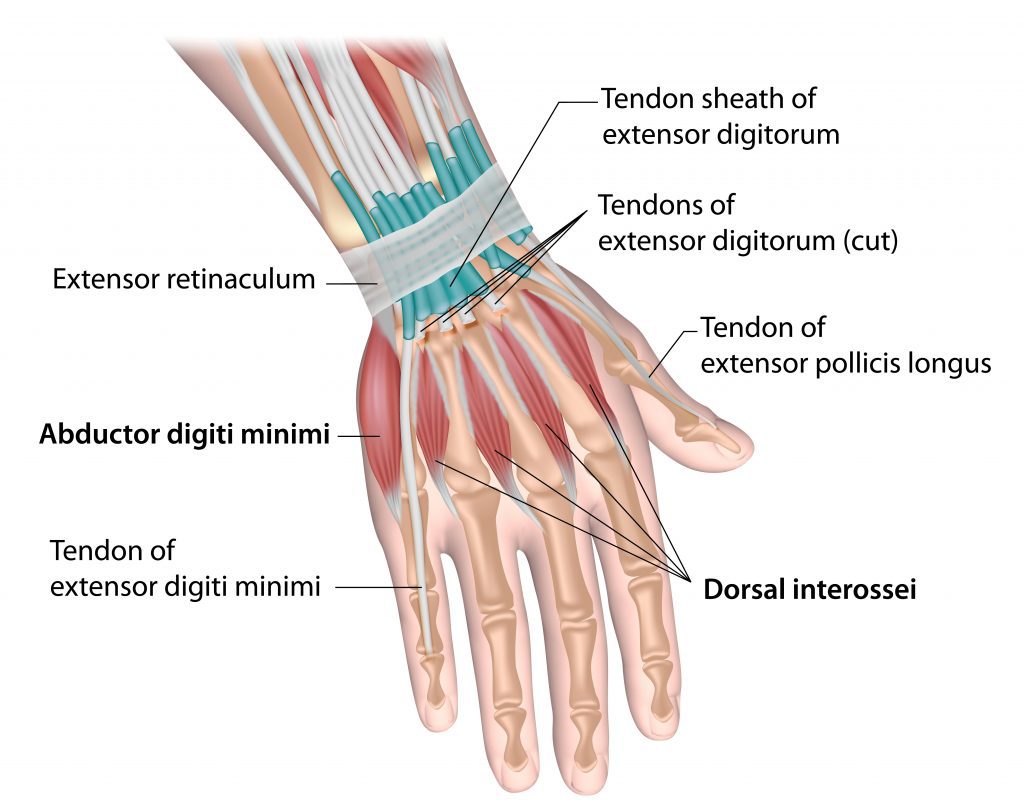
Table of Contents
ทำความรู้จักเส้นเอ็นของข้อมือกันก่อน
ข้อมือเป็นส่วนข้อต่อของร่างกายที่ใช้งานบ่อยที่สุด สามารถเคลื่อนไหวได้ในหลายทิศทาง การที่ข้อมือทำเช่นนี้ได้จำเป็นต้องอาศัยเอ็นรอบๆ ข้อมือ ทั้งยึดไว้และช่วยดึงให้เคลื่อนไหวในแนวต่างๆ ทำให้เอ็นเหล่านี้เกิดการอักเสบ การบาดเจ็บได้ง่าย
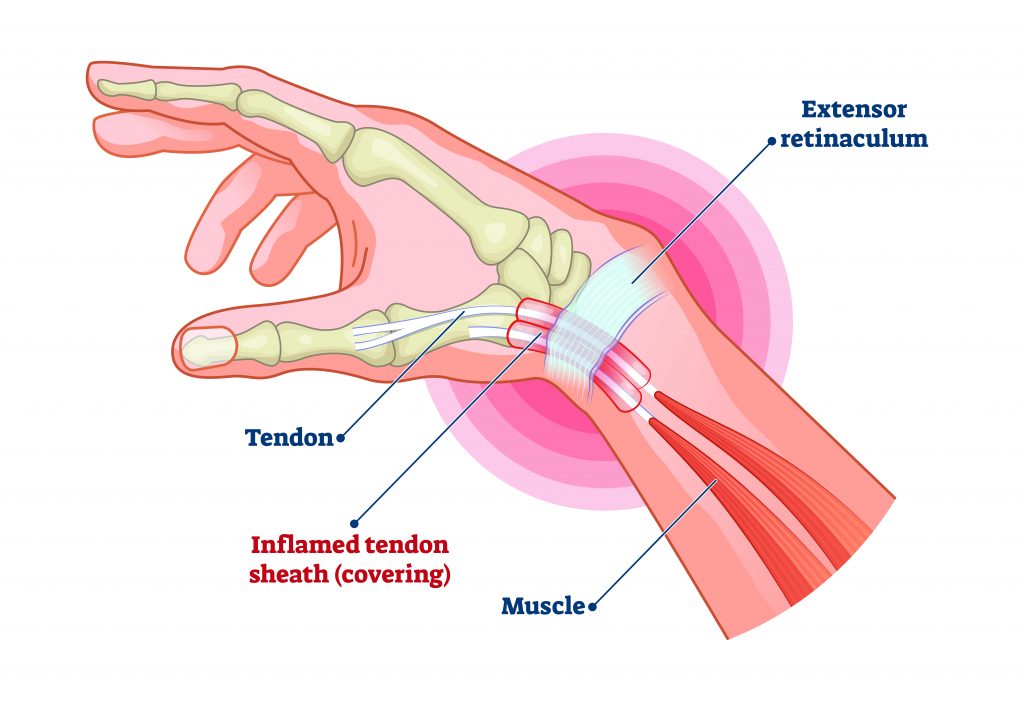
นอกจากนั้นเอ็นข้อมือยังมีส่วนประกอบที่เกิดมาคู่กัน คือ ปลอกหุ้มเอ็น ที่รั้งเอ็นให้อยู่แนบข้อมือไว้ แม้จะช่วยกันทำงาน แต่หากเราใช้งานข้อมือมากๆ ทั้งเอ็นและปลอกหุ้มเอ็นจะอักเสบบวม ทำให้เกิดอาการเจ็บข้อมือได้ เส้นไหนจะอักเสบอยู่ที่ลักษณะการใช้งานว่าเรามีการใช้งานตำแหน่งไหนมาก ที่พบได้บ่อยที่สุดคือการอักเสบของเอ็นที่บริเวณสันข้อมือฝั่งนิ้วหัวแม่มือที่เรียกกันว่า De Quervain’s Tenosynovitis
โรคเอ็นและปลอกหุ้มเอ็นข้อมืออักเสบ (De Quervain’s Tenosynovitis)
เป็นโรคในกลุ่มเอ็นและปลอกหุ้มเอ็นข้อมืออักเสบที่พบบ่อยที่สุดในผู้ป่วยที่มีอาการเจ็บข้อมือ
หากลองสำรวจตัวเอง ลองคลำดูจะพบว่าจุดนี้อยู่ที่ปุ่มนูนบนสันข้อมือฝั่งนิ้วหัวแม่มือ ซึ่งเป็นที่อยู่ของเอ็นที่ช่วยในการขยับเหยียดนิ้วหัวแม่มือ การขยับนิ้วหัวแม่มือในบางทิศทางจะทำให้เกิดอาการเจ็บแปลบขึ้นมาทันที นอกจากนี้จะมีอาการบวมในบริเวณนี้ร่วมด้วยได้ หากเป็นมาสักระยะหนึ่งจะมีการหนาตัวของปลอกหุ้มเส้นเอ็นขึ้นมา สามารถคลำเจอลักษณะก้อนนูนขึ้นมาได้
ถึงแม้ว่าเอ็นและปลอกหุ้มเอ็นบริเวณข้อมืออักเสบนี้เป็นภาวะที่พบบ่อยที่สุดในการเจ็บบริเวณนี้ แต่ก็ยังมีภาวะอื่นที่ทำให้มีอาการคล้ายกันได้ ดังนั้นหากพักการใช้งานเบื้องต้นแล้ว ยังมีอาการเจ็บอยู่ ควรมาให้แพทย์ช่วยตรวจวินิจฉัยเพื่อไม่ให้อาการเรื้อรังจะดีที่สุด
อาการบาดเจ็บ และโรคอื่นๆ ที่ใกล้เคียงกับโรคเอ็นและปลอกหุ้มเอ็นข้อมืออักเสบ
ด้วยความที่ข้อมือเป็นส่วนที่เล็ก เต็มไปด้วยส่วนประกอบที่สำคัญมากมาย ทำให้คนไข้ทีมีอาการเจ็บในบริเวณนี้ อาการเจ็บที่เกิดขึ้นแท้จริงแล้วอาจเกิดจากสาเหตุหลายๆ สาเหตุในบริเวณใกล้เคียงกันได้ จากปัจจัยเสี่ยงเดียวกัน ทำให้ในบางรายถึงแม้ว่าจะรักษาด้วยการฉีดยา ผ่าตัดไปแล้ว อาการก็ยังไม่หายทั้งหมด จึงจำเป็นที่จะต้องพบแพทย์ผู้เชี่ยวชาญเพื่อวินิจฉัยสาเหตุอย่างละเอียด
อาการเจ็บข้อมือที่มีอาการเจ็บใกล้เคียงอื่นๆ ได้แก่
โรคข้อโคนนิ้วโป้งเสื่อมและอักเสบ
- พบได้บ่อย มักพบในคนกลุ่มที่มีการใช้มือทำงานเยอะๆ
- กิจกรรมที่ทำให้เกิดการเสื่อมและอักเสบ คือ งานที่ใช้แรงบีบนิ้งโป้งมากๆ เช่น การใช้กรรไกร การซักผ้าด้วยมือ เป็นต้น
- มีอาการเจ็บบริเวณข้อโคนนิ้วโป้ง เนื่องจากการใช้มือที่มีการหนีบ หยิบจับ สะสมจนทำให้ข้อโคนนิ้วโป้งเสื่อม
- เป็นโรคที่อาการเจ็บจะอยู่ใกล้กับโรคเอ็นและปลอกหุ้มเอ็นอักเสบ
- โรคข้อโคนนิ้วโป้งเสื่อม จึงอาจทำให้เข้าใจผิดว่าเป็นโรคเอ็นและปลอกหุ้มเอ็นอักเสบ
- จำเป็นต้องใช้ประสบการณ์และความแม่นยำของแพทย์เฉพาะทางในการแยกโรค
โรคเอ็นอักเสบอื่นๆในข้อมือ
- เป็นการอักเสบหรือบาดเจ็บของเอ็นเส้นอื่นๆในบริเวณใกล้เคียงกัน
- มีโอกาสที่จะเป็นร่วมกับโรคเอ็น และปลอกหุ้มเอ็นอักเสบ
- จำเป็นต้องวินิจฉัยอย่างละเอียดโดยแพทย์เฉพาะทางด้านมือ
การรักษาโรคข้อโคนนิ้วโป้งเสื่อม และโรคเอ็นอักเสบ สามารถรักษาให้หายได้ ด้วยวิธีคล้ายๆ กับโรคเอ็นและปลอกหุ้มเอ็นข้อมืออักเสบ ในกรณีที่มีอาการมากและมีอาการในหลายส่วน ต้องวินิจฉัยว่าควรจะผ่าตัดในบริเวณไหนที่จะแก้ปัญหาได้ตรงจุด โดยคนไข้แต่ละรายจะมีรายละเอียดแตกต่างกันไป
ซึ่งการวินิจฉัยแยกโรค จำเป็นต้องใช้ประสบการณ์ และความคุ้นเคยของแพทย์เฉพาะทางด้านมือ เพราะบริเวณที่เป็นสาเหตุของการเจ็บอยู่ห่างกันเพียงเล็กน้อย ต้องใช้ความประณีตในการตรวจ รวมทั้งอาจพิจารณาตรวจเพิ่มเติมที่เหมาะสม เพื่อการวินิจฉัยที่ถูกค้อง
การลุกลามจากเอ็นข้อมืออักเสบสู่อาการบาดเจ็บอื่นๆ
โรคเอ็นและปลอกหุ้มเอ็นข้อมืออักเสบ ไม่สามารถลุกลามไปเป็นโรคอื่นๆ ได้ แต่อาจเชื่อมโยงกับอาการบาดเจ็บหรือการอักเสบที่ตำแหน่งอื่นๆ ของมือ เนื่องจากสาเหตุของการอักเสบนั้น เกิดจากการใช้มือและข้อมือทำกิจกรรมต่างๆ ในชีวิตประจำวันซ้ำๆ ทำให้มีโอกาสที่เส้นเอ็นหลายเส้นจะเกิดการอักเสบร่วมกันได้
นอกจากนี้ ยังพบได้บ่อยว่าเอ็นข้อมืออาจมีการอักเสบควบคู่ไปกับเอ็นของนิ้วทำให้เกิดนิ้วล็อก หรือเอ็นอักเสบบวมจนเบียดเส้นประสาททำให้มีอาการทั้งปวดและชามือร่วมด้วย
อ่านบทความเพิ่มเติม:
มือชา ปลายนิ้วชา อาการบอกเหตุ และแนวทางการรักษาเส้นประสาทบริเวณข้อมือถูกกดทับ
การผ่าตัด รักษาอาการมือชา ที่มีสาเหตุจากเส้นประสาทถูกกดทับ
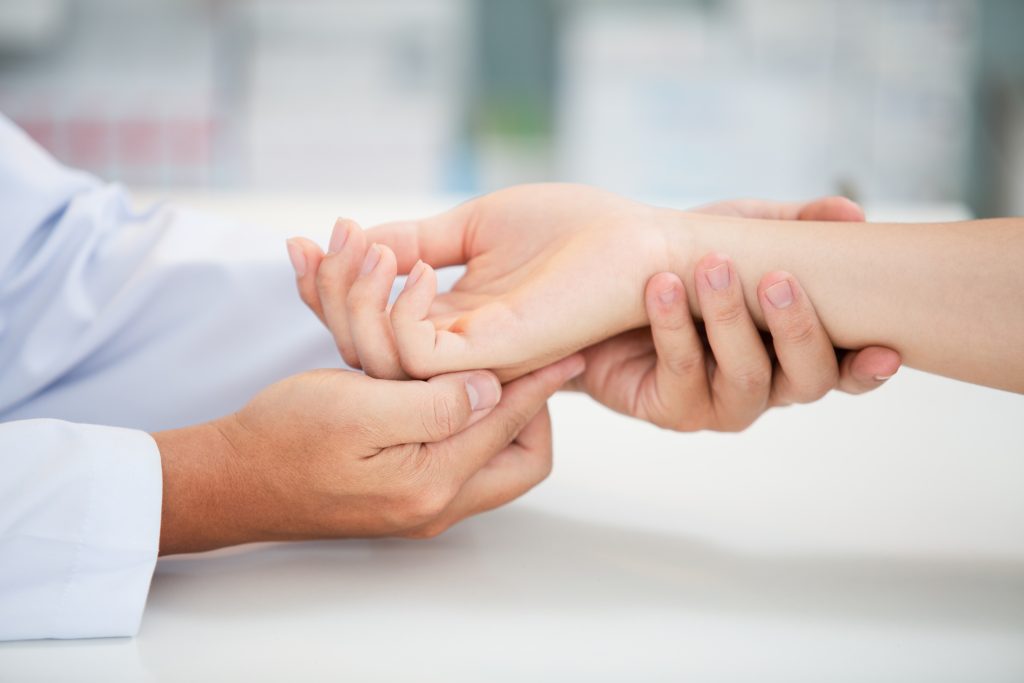
การรักษาโรคเอ็นและปลอกหุ้มเอ็นข้อมืออักเสบ
โดยหลักๆ การรักษาเอ็นและปลอกหุ้มเอ็นข้อมืออักเสบ จะแบ่งออกเป็นระยะขึ้นอยู่กับอาการของโรค เริ่มต้นจากการหลีกเลี่ยงหรือพักการใช้งานมือ ร่วมกับการกินยาลดการอักเสบ อาจพิจารณาใช้การกายภาพบำบัดควบคู่กันไป หากอาการยังไม่ดีขึ้นจะพิจารณาการรักษาด้วยการฉีดยาสเตียรอยด์เพื่อลดการอักเสบ และสุดท้ายในรายที่ได้รับการรักษาข้างต้นแล้วแต่อาการเจ็บปวดยังไม่ดีขึ้นและรบกวนชีวิตประจำวัน ก็สามารถรักษาด้วยการผ่าตัดเล็ก
การรักษาเบื้องต้น
- พักการใช้งาน คือคำแนะนำข้อแรกที่สำคัญที่สุด
- แช่น้ำอุ่น วันละ 1-2 ครั้ง ครั้งละ 15-30 นาที หลังจากแช่น้ำอุ่นควรทำกายภาพบำบัด
- ทำกายภาพบำบัดเพื่อบรรเทาอาการ มีจุดมุ่งหมายเพื่อลดปวด ลดอักเสบ ทำให้เอ็นเคลื่อนตัวได้ดีขึ้น
- รับประทานยาแก้อักเสบ เพื่อบรรเทาอาการปวด และลดการบวมอักเสบของเส้นเอ็น
การฉีดยาสเตียรอยด์ เพื่อลดการอักเสบ
สเตียรอยด์ (Steroid) เป็นยาที่นิยมใช้ฉีดเพื่อลดการอักเสบ เพราะเป็นยาที่ออกฤทธิ์เร็ว ลดอาการอักเสบได้ดีและตรงจุด ไม่ได้มีผลข้างเคียงหรืออันตรายให้ต้องกังวล เพราะเป็นสเตียรอยด์เฉพาะที่ ซึ่งจะออกฤทธิ์ลดการอักเสบในบริเวณที่ฉีด ไม่ได้ออกฤทธิ์กับส่วนอื่นๆ ของร่างกาย
โดยส่วนใหญ่จะพิจารณาฉีดสเตรียรอยด์ไม่เกิน 2 ครั้ง แต่ละครั้งระยะเวลาควรห่างจากกัน หากถ้าฉีดเกิน 2 ครั้งแล้วยังมีอาการอยู่ แสดงว่าความรุนแรงของภาวะโรคเกินกว่ายาที่ใช้รักษาแล้ว การฉีดต่อเนื่องจึงไม่จำเป็น เพราะไม่ส่งผลช่วยให้หายอย่างถาวร
รู้ได้อย่างไรว่าถึงเวลาต้องผ่าตัดข้อมือ
เมื่อทำการรักษาตามขั้นตอนที่ผ่านมาแล้ว ยังมีอาการเจ็บปวดที่ ‘รบกวนชีวิตประจำวัน’ จะถึงเวลาต้องผ่าตัด ส่วนบางคนที่ยังมีอาการเจ็บปวดหลงเหลืออยู่ แต่ไม่ได้ขัดขวางการใช้ชีวิตประจำวันก็อาจไม่จำเป็นต้องผ่าตัด ซึ่งส่วนนี้เป็นการปรึกษาร่วมกันระหว่างแพทย์และคนไข้เป็นกรณีไป
การผ่าตัดเป็นการคลายปลอกหุ้มเส้นเอ็นบริเวณที่มีการเสียดสีกันออก จะทำให้เส้นเอ็นเคลื่อนตัวได้ดีขึ้น หลังผ่าตัดไม่จำเป็นต้องพักฟื้นที่โรงพยาบาล เพราะเป็นผ่าตัดเล็ก แผลมีขนาดเล็กกว่า 1 เซนติเมตร ใช้เวลาในการผ่าตัดราว 10 นาทีเท่านั้น หลังผ่าตัดสามารถใช้งานมือด้านนั้นได้ตามปกติ อาการเจ็บก็จะดีขึ้นอย่างชัดเจน
การป้องกันของโรคเอ็นและปลอกหุ้มเอ็นข้อมืออักเสบ
สิ่งที่สำคัญที่สุดคือการหลีกเลี่ยงการใช้งานของข้อมือที่ส่งผลต่ออาการบาดเจ็บ ทั้งการใช้งานหนัก ใช้งานซ้ำๆ ดังนั้นการป้องกันเอ็นและปลอกหุ้มเอ็นอักเสบก็คือการใช้งานมือและข้อมืออย่างเหมาะสมไม่มากเกินไป
- สำหรับแม่บ้านที่ต้องทำงานบ้าน และใช้ข้อมือเป็นประจำ ลองปรับวิธีการใช้งาน เพื่อลดการใช้งานข้อมือ เช่น หลีกเลี่ยงการซักผ้า บิดผ้าด้วยมือ
- คุณแม่ที่ต้องอุ้มเด็กเป็นประจำ ควรปรับเปลี่ยนท่าทาง ด้วยการย่อตัวลงมาอุ้มช้อนตัวด้านก้นและหลัง เป็นการใช้ท่อนแขนผ่อนแรงในการอุ้ม เพื่อลดแรงที่กระทำต่อข้อมือ
- การทำงานที่ต้องใช้ข้อมือเป็นประจำ ควรใช้ท่าทางที่เหมาะสม เพื่อป้องกันไม่ให้เกิดอาการบาดเจ็บ
เอ็นข้อมือ รวมถึงปลอกหุ้มเอ็น เป็นส่วนหนึ่งของข้อมือที่ช่วยในการเคลื่อนไหว หยิบจับข้าวของต่างๆ ซึ่งแม้ว่าจะไม่ใช่อวัยวะหลักๆ ของร่างกาย แต่เมื่อใดที่เจ็บปวดจะกระทบกระเทือนต่อชีวิตประจำวันได้มาก ดังนั้น เมื่อเกิดอาการเจ็บปวดขึ้น การพบแพทย์เพื่อรักษาแต่เนิ่นๆ จึงเป็นสิ่งที่ควรทำ เพื่อให้ “ชีวิตที่ดี” จะยังคงอยู่กับเราไปนานๆ
Q&A
Q: วิธีการรักษาโรคเอ็นและปลอกหุ้มเอ็นข้อมืออักเสบ ทำอย่างไรได้บ้าง
การรักษาเอ็นและปลอกหุ้มเอ็นข้อมืออักเสบ จะแบ่งออกเป็นระยะขึ้นอยู่กับอาการของโรค เริ่มต้นจากการหลีกเลี่ยงหรือพักการใช้งานมือ ร่วมกับการกินยาลดการอักเสบ อาจพิจารณาใช้การกายภาพบำบัดควบคู่กันไป หากอาการยังไม่ดีขึ้นจะพิจารณาการรักษาด้วยการฉีดยาสเตียรอยด์เพื่อลดการอักเสบ
Q: วิธีป้องกันของโรคเอ็นและปลอกหุ้มเอ็นข้อมืออักเสบ
สิ่งที่สำคัญที่สุดคือการหลีกเลี่ยงการใช้งานของข้อมือที่ส่งผลต่ออาการบาดเจ็บ ทั้งการใช้งานหนัก ใช้งานซ้ำๆ ดังนั้นการป้องกันเอ็นและปลอกหุ้มเอ็นอักเสบก็คือการใช้งานมือและข้อมืออย่างเหมาะสมไม่มากเกินไป
1. สำหรับแม่บ้านที่ต้องทำงานบ้าน และใช้ข้อมือเป็นประจำ ลองปรับวิธีการใช้งาน เพื่อลดการใช้งานข้อมือ เช่น หลีกเลี่ยงการซักผ้า บิดผ้าด้วยมือ
2. คุณแม่ที่ต้องอุ้มเด็กเป็นประจำ ควรปรับเปลี่ยนท่าทาง ด้วยการย่อตัวลงมาอุ้มช้อนตัวด้านก้นและหลัง เป็นการใช้ท่อนแขนผ่อนแรงในการอุ้ม เพื่อลดแรงที่กระทำต่อข้อมือ
3. การทำงานที่ต้องใช้ข้อมือเป็นประจำ ควรใช้ท่าทางที่เหมาะสม เพื่อป้องกันไม่ให้เกิดอาการบาดเจ็บ