
Health Articles /

What Are Flat Feet? Is It Required To Stop Playing Sports When This Occurs?

What Are Flat Feet?
Highlight
  • Flat feet is a condition where the arch of the foot collapses, causing the entire sole to make contact with the ground. This can lead to pain when standing or walking, especially during prolonged weight-bearing activities.
  • Flat feet can be present from birth or develop later due to age-related tendon degeneration. As you age, symptoms become more pronounced, particularly during activities like running, jumping, or high-impact sports
  • Having flat feet doesn’t necessarily mean you need to stop playing sports. You simply need to choose appropriate sports and footwear, such as using custom orthotics, reducing the intensity and frequency of exercise, and selecting low-impact activities.
  • There are two types of flat feet: flexible flat feet, which is more common and results from tendon degeneration, and rigid flat feet, which occurs when the condition is left untreated for an extended period
  • Symptoms indicating flat feet include easy fatigue, inward ankle rolling, and pain that can extend to the knees, hips, and lower back.
  • Diagnosis involves examining the foot structure, gait analysis, and radiographic imaging, especially weight-bearing X-rays, which accurately measure structural abnormalities
  • Treatment options include both non-surgical and surgical approaches. Most cases are initially treated with custom orthotics and physical therapy. Surgery is only considered for rigid flat feet or chronic pain cases.

Many people have heard the term “flat feet” or “fallen arches” but may not fully understand what flat feet is, whether it’s dangerous, or how it affects daily life. Flat feet is indeed a condition that can interfere with everyday activities, especially for those who enjoy exercising, playing sports, or walking frequently. When the feet are used extensively, pain often follows. A common question people ask is: if they have flat feet, should they stop playing sports or doing strenuous activities to prevent foot pain?

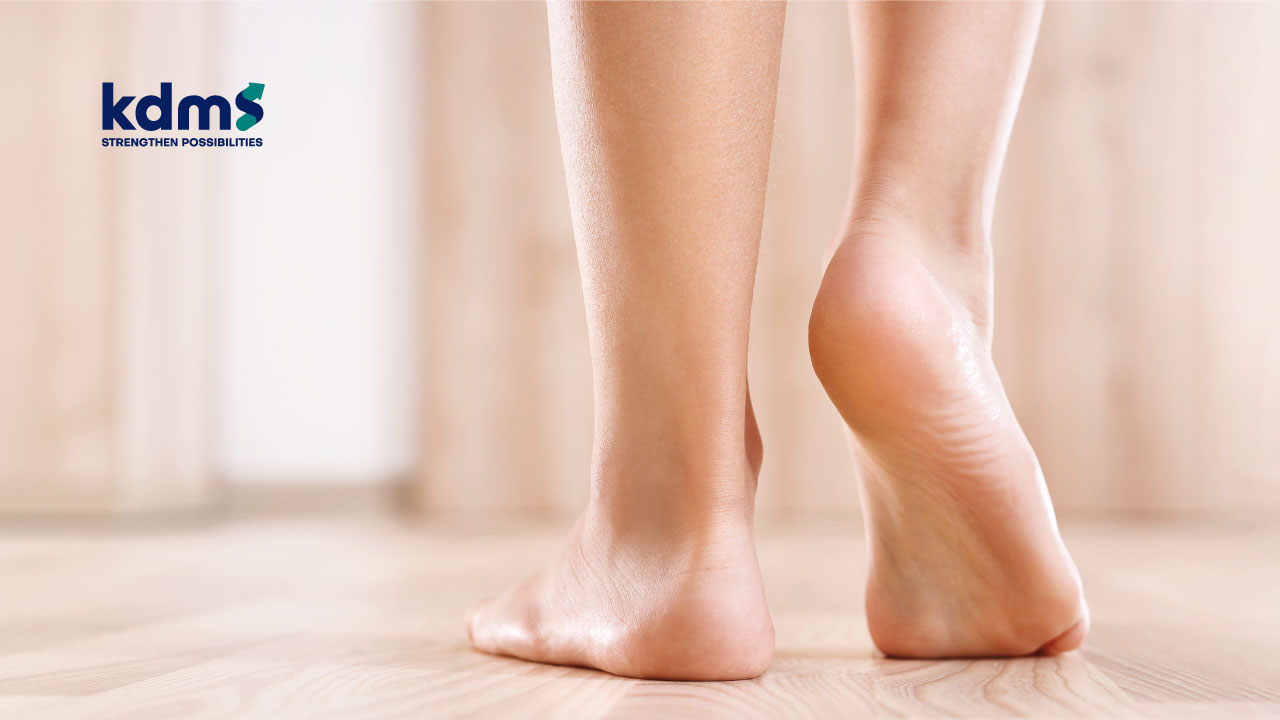
Flat feet is a common structural foot abnormality characterized by a collapsed or flattened arch on the inner side of the foot. When standing or walking, the entire sole makes contact with the ground, or the arch is significantly reduced compared to normal feet. This condition can be congenital or develop later due to tendon degeneration.

What Causes Flat Feet?

ภาวะเท้าแบนเกิดจากอะไร

Now that we understand what flat feet are, let’s explore what causes this condition. Flat feet is primarily a congenital condition, with abnormalities in foot shape becoming noticeable around ages 6-8. However, since children have low body weight as well as their tendons and bones are still strong at this age, these allow children with flat feet to walk and run normally without pain.

Over time, with prolonged use and increased body weight, the already flat arch begins to show more obvious symptoms. Pain occurs with extensive use or activities involving heavy foot loading. Symptoms typically become more apparent with age. Initially, symptoms correlate with high-impact activities—if you engage in activities like long-distance running, soccer, or basketball, you’ll experience pain. Eventually, as symptoms worsen, even regular walking over longer distances can cause discomfort.

How Do Flat Feet Impact Daily Life?

เท้าแบนส่งผลกระทบกับชีวิตประจำวันอย่างไร

Many people see flat feet as simply a normal foot structure variation. However, if left unmanaged, flat feet can impact daily life more than you might expect

1. Fatigue faster than normal

People with flat feet often experience pain and fatigue in the sole, arch, and calves more easily, especially when standing or walking for extended periods. This is because weight distribution is less efficient compared to people with normal arches.

2. Chronic pain spreading to other areas

This is an effect many people overlook. Flat feet cause the ankle to roll inward (overpronation), resulting in abnormal leg alignment and leading to knee pain (especially on the inner knee), hip pain, and potentially chronic lower back pain.

3. Loss of balance

Body balance may dwindle, increasing the risk of falls or ankle sprains during quick movements.

4. Footwear selection challenges

Finding fashionable shoes can be difficult because flat, wide feet may cause pain, pinch the forefoot, or cause shoes to lose their shape faster than normal. The inner sole of shoes wears out noticeably faster than the outer sole.

Should You Stop Playing Sports If You Have Flat Feet?

หากมีภาวะเท้าแบนต้องหยุดเล่นกีฬาหรือไม่

Having flat feet doesn’t necessarily mean you must stop playing sports. You simply need to choose appropriate sports and footwear with proper arch support to prevent pain or injuries from disproportionate weight distribution

Use custom orthotics (Customized Insoles)

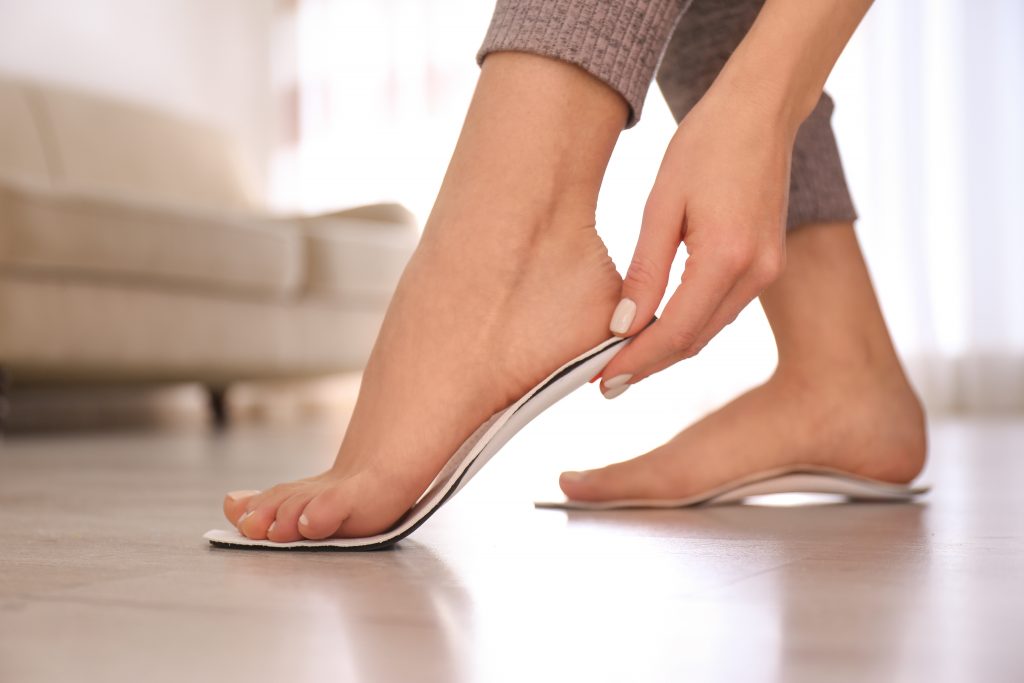
Custom-made insoles designed for your individual feet help realign your feet to their proper position, reducing ankle and knee twisting, which significantly reduces risk of injury.

Choose appropriate footwear

Sports shoes should have a firm base with insoles that match your foot shape—not excessively soft. They should provide adequate arch support. Avoid using flat-soled shoes.

Reduce sports frequency and intensity

For those who experience frequent foot pain, temporarily reduce sports frequency. For example, runners might reduce distance or switch to treadmill running instead of running on concrete.

Focus on low-impact sports

Engage in joint-friendly activities like swimming, cycling, or yoga instead of running or sports involving heavy jumping.

For those experiencing chronic pain in the sole, heel, ankle, or knee, it’s recommended to consult with a medical specialist for evaluation.

How Many Types of Flat Feet Are There?

Flat feet can be categorized into two types:

1. Flexible Flatfoot

This is the most common type of flat feet, caused by abnormalities of the inner arch tendon. Tendon abnormalities and degeneration prevents proper arch elevation, resulting in flattened feet and associated pain.

2. Rigid Flatfoot

This is less common than flexible flat feet. It’s caused by leaving flat feet untreated or bone conditions, such as abnormal bone fusing causing deformed flat feet and pain when walking.

What Are Flat Foot Symptoms?

If you’re wondering whether you have flat feet, check if you have the following symptoms:

  • Easy fatigue: Feeling pain and tightness in the sole, calves, or heel after standing or walking for short periods.
  • Foot deformity: When bearing full weight, the arch is flat against the ground, and the ankle rolls inward (overpronation).
  • Pain in joints: Pain isn’t limited to the feet but may extend to the knees, hips, or cause chronic lower back pain.

Medical Diagnosis

When suspecting flat feet, consulting a medical specialist is essential for severity assessment. The doctor will diagnose through the following steps:

1. History taking and physical examination

The doctor asks about pain symptoms, frequency, and activities risking this condition. Then, examine foot characteristics while sitting and standing, including assessing foot flexibility.

2. Gait Analysis

The doctor observes how the patient walks to assess weight distribution, ankle rolling, and joint alignment from feet to knees.

3. Radiographic imaging confirmation (X-Ray or MRI)

The doctor will order X-rays in a weight-bearing standing position. This method is the most important tool for confirming flat feet as they allow precise measurement of bone structure abnormalities. If detailed tendon assessment is necessary, an MRI may be considered.

Flat Feet Treatment

เท้าแบนรักษาอย่างไร

Flat feet treatment aims to reduce pain and realign the feet as close to normal as possible. Treatment approach depends on severity and is divided into two main categories:

1. Non-surgical treatment

Using custom orthotics (customized insoles)

This is the most effective primary treatment for flexible flat feet. The orthotic supports the collapsed arch, reduces ankle and knee twisting, and alleviates pain.

Physical therapy

This focuses on exercises that stretch the plantar fascia and strengthen arch-supporting foot and calf muscles.

2. Surgical treatment

Corrective surgery

This is a last resort for patients with rigid flat feet experiencing severe pain and unresponsive to other treatments. Surgery adjusts the foot bone alignment to create a new arch, permanently correcting the structural abnormality.

The Perks of Having Flat Feet Treatment at kdms Hospital

Patients receiving flat feet treatment at kdms Hospital are treated directly by specialized foot and ankle surgeons. Doctors provide consultation from diagnosis through targeted treatment, accompanied with follow-up care until patients return to their normal lifestyle.

In Summary

Flat feet is a condition where the foot arch collapses. There are two types: the common flexible type and the more severe rigid type. The main symptom is quicker fatigue and pain in the sole and calves, potentially extending to the knees or lower back.

Having flat feet doesn’t require stopping sports. You simply need to adjust by using custom orthotics and choosing appropriate footwear to prevent injuries.

Medical diagnosis uses X-rays to assess bone structure. For mild cases, treatment involves non-surgical approaches such as using orthotics and physical therapy.

If pain begins interfering with daily life, consult a medical specialist before the problem becomes chronic.

Frequently Asked Questions About Flat Feet

Can flat feet be completely cured?
  • Flat feet treatment is divided into two stages. In the early stage, if the condition is mild, using orthotics and physical therapy can help with recovery. However, if the condition is advanced, treatment focuses on managing symptoms and reducing pain during use.
  • For severe cases, surgery may be necessary to realign the bones, which permanently corrects flat feet. However, not all patients require surgery—it must be considered on a case-by-case basis for necessity and appropriateness.
  •  
How do you check for flat feet?

The easiest way to visually check for flat feet is to stand barefoot with full weight on a flat surface. If the inner arch collapses flat against the ground, or if the ankle clearly rolls inward (overpronation), these are signs of flat feet. You can also observe wet footprints — the entire sole will make contact without leaving a gap where the arch should be.

How do you treat flat feet?

Flat feet treatment focuses on pain reduction and proper foot alignment, divided into two main approaches:

  • Non-surgical treatment: This emphasizes on using custom orthotics (customized insoles) and physical therapy to support the arch and strengthen muscles.
  • Surgical treatment: This is the last option for rigid flat feet or flat feet with severe pain unresponsive to other treatment methods. The treatment involves adjusting bone structure to restore the arch.
Can ready-made insoles replace custom orthotics?
  • From a medical perspective, this is like comparing off-the-rack suits to tailored ones. Ready-made insoles are more affordable and may not fit as perfectly as custom ones. But in some cases, they can relieve symptoms.
  • If ready-made insoles improve your symptoms, there’s no harm in trying them first. However, if you want something that truly fits your feet, custom orthotics are the better choice.
What long-term complications can flat feet cause?

If severe flat feet is left untreated for a long time, it causes malalignment of the lower limbs, potentially leading to joint degeneration in the ankle, knee, and subtalar joints, as well as tendonitis in various locations.

An article by Sittha Chuekitkumchorn, M.D., Experienced Foot and Ankle Surgeon

วีดีโอที่เกี่ยวข้อง

Play Video

ปรึกษาอาการก่อนนัดพบแพทย์

Thu, 18 Dec 2025
Related doctors

Related packages
Related articles
Calcaneal Spurs Banner
How Do We Treat Calcaneal Spurs? Can It Be Completely Cured?
How to Choose the Right Orthopedic Shoes to Solve Foot Pain and Plantar Fasciitis
What Are Flat Feet?
What Are Flat Feet? Is It Required To Stop Playing Sports When This Occurs?
Causes, Symptoms, Treatment & Signs to See a Doctor
top line line