
กลูโคซามีน คอนดรอยติน คอลลาเจน กับการรักษาโรคข้อเข่าเสื่อม
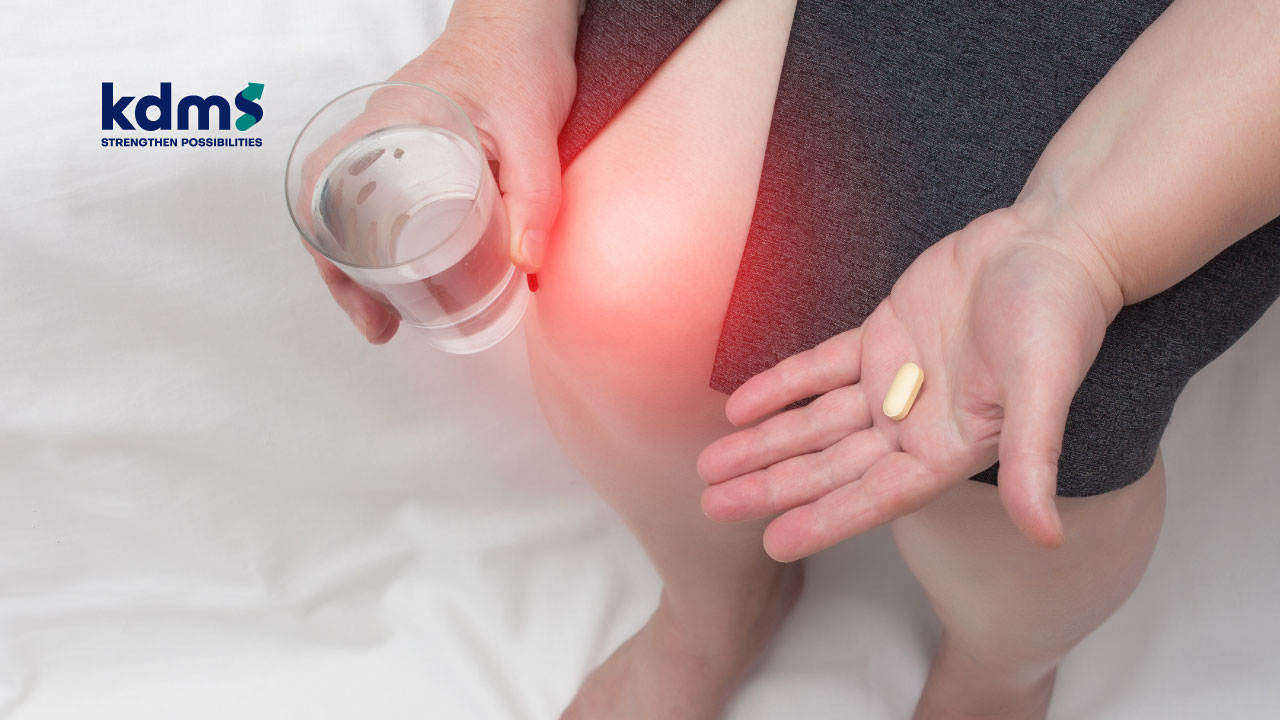
โรคข้อเข่าเสื่อม เป็นโรคของผู้ที่มีอายุมากขึ้นหรือคนที่มีอาการปวดเข่าบ่อยๆ ซึ่งบุคคลที่มีอาการเหล่านี้ เบื้องต้นมักจะรักษาอาการด้วยการทานยาหรือทานอาหารเสริมเพื่อช่วยบรรเทาอาการปวด ซึ่งชื่อยาหรืออาหารเสริมที่ใช้รักษาอาการข้อเข่าเสื่อม หรืออาการปวดเข่าที่เรามักพบเห็นบ่อยๆ คือ กลูโคซามีน (Glucosamine) คอนดรอยติน (Chondroitin) และคอลลาเจน (Collagen) วันนี้ KDMS จะมาอธิบายว่ายาหรืออาหารเสริมทั้ง 3 ชนิดคืออะไร และแตกต่างกันอย่างไร
ข้อควรรู้ กลูโคซามีน คอนดรอยติน และคอลลาเจน ใช้ได้ผลกับผู้ที่เริ่มเป็นโรคข้อเข่าเสื่อมระยะเริ่มต้นเท่านั้น แต่ปัจจุบันยังไม่มียา วิตามิน หรือผลิตภัณฑ์เสริมอาหารตัวใด ที่ช่วยป้องกันข้อเข่าเสื่อม หรือแก้ไขข้อเข่าเสื่อมที่กระดูกอ่อนผิวข้อเสียหายไปแล้ว ให้กลับมาดีขึ้นหรือเป็นปกติได้
Table of Contents
กลูโคซามีน (Glucosamine)
เป็นสารตั้งต้นในการสร้าง โปรตีโอไกลแคน ไกลโคโปรตีน ไกลโคสามิโนไกลแคน กรดโฮยาลูโรนิก ซึ่งเป็นส่วนสำคัญของเนื้อเยื่อเกือบทุกชนิดในร่างกายของคนเรารวมทั้งกระดูกอ่อนผิวข้อ โดยโปรตีโอไกลแคน ทำให้กระดูกอ่อนผิวข้อมีความยืดหยุ่น รองรับแรงกระแทกจากการเคลื่อนไหวของกระดูกข้อต่อได้ดี
เมื่ออายุมากขึ้น กระดูกอ่อนผิวข้อเริ่มสึกกร่อน น้ำไขข้อลดลง ซึ่งเป็นหนึ่งในสาเหตุที่ทำให้เป็นโรคข้อเข่าเสื่อม จึงมีการนำกลูโคซามีนสังเคราะห์ มาใช้รักษาหรือชะลอความเสื่อมของข้อเข่า
กลูโคซามีน ที่มีจำหน่ายในปัจจุบัน แบ่งเป็น 2 ประเภทคือ ยาอันตราย และผลิตภัณฑ์เสริมอาหาร สำหรับประเทศไทย สำนักงานคณะกรรมการอาหารและยาแห่งประเทศไทย (อย.) ขึ้นทะเบียนกลูโคซามีนซัลเฟต เป็นยาอันตรายในกลุ่มที่ช่วยลดอาการปวด และช่วยชะลอความเสื่อมของกระดูกอ่อนผิวข้อ ซึ่งแพทย์ต้องเป็นผู้สั่งให้เท่านั้น
ผลการศึกษาพบว่าผู้ป่วยโรคข้อเข่าเสื่อมที่ได้รับกลูโคซามีนซัลเฟต วันละ 1,500 มิลลิกรัม เป็นเวลา 3 ปี ช่วยลดอาการปวด และช่วยลดการแคบลงของข้อได้ เมื่อเปรียบเทียบกับการไม่ใช้ยา(หรือใช้ยาหลอก ) แต่การใช้กลูโคซามีนในระยะสั้น ( 3-6 เดือน) พบว่ามีทั้งใช้ได้ผลดี และไม่มีความแตกต่างเมื่อเปรียบเทียบกับการไม่ใช้ยา
อย่างไรก็ตาม การใช้กลูโคซามีนในการชะลออาการข้อเข่าเสื่อม มักใช้กับผู้ป่วยข้อเข่าเสื่อมระยะที่ 1-2 ซึ่งมีอาการปวดเสียวในข้อเข่า หรือมีเสียงดังในข้อเข่าและปวดเข่าไปพร้อม ๆ กัน ในกรณีที่ข้อเข่าเสื่อมระดับรุนแรง จนขาโก่ง หรือเข่าเอียงมาชนกัน หรือเอกเรย์แล้วพบว่ากระดูกข้อเข่ามาชนกันโดยไม่มีช่องว่างระหว่างข้อเข่า หรือข้อเข่ามีอาการบวมน้ำจากอักเสบ การใช้ยากลูโคซามีนไม่ช่วยให้อาการดีขึ้น
ข้อควรระวังในการใช้ยากลูโคซามีน
• กลุ่มผู้ป่วยซึ่งเสี่ยงเป็นต้อหินชนิดเปิด การรับประทานยากลูโคซามีนเป็นระยะเวลานาน อาจทำให้ความดันภายในลูกตาสูงขึ้น
• ผู้ป่วยอาจมีอาการที่ไม่พึงประสงค์ เช่น คลื่นไส้ ท้องเสีย แสบท้อง ปวดท้อง ท้องอืด เป็นต้น
• ผู้ป่วยที่มีประวัติการแพ้อาหารทะเล อาจมีอาการแพ้ เพราะกลูโคซามีนสังเคราะห์จากเปลือกสัตว์ทะเล
คอนดรอยติน (Chondroitin)
เป็นสารในการสร้างองค์ประกอบสำคัญของเนื้อเยื่อและกระดูกอ่อนผิวข้อ ทำให้กระดูกมีคุณสมบัติทนต่อแรงกดได้ เมื่ออายุมากขึ้น ร่างกายผลิตคอนดรอยตินลดลง ประสิทธิภาพในการทนต่อแรงกดก็ลดลงตามไปด้วย อันนำไปสู่การเป็นโรคข้อเข่าเสื่อมนั่นเอง
คอนดรอยติน ที่จำหน่ายในประเทศไทย สำนักงานคณะกรรมการอาหารและยาแห่งประเทศไทย (อย.) ขึ้นทะเบียน เป็นยาอันตรายในกลุ่มที่ช่วยลดอาหารปวด และช่วยชะลอความเสื่อมของกระดูกอ่อนผิวข้อ ซึ่งแพทย์ต้องเป็นผู้สั่งให้ เช่นเดียวกับกลูโคซามีน
ผลการศึกษาพบว่าผู้ป่วยที่ได้รับ คอนดรอยติน ข้อเข่าแคบลงน้อยกว่า ปวดลดลง เมื่อเปรียบเทียบกับผู้ป่วยที่ไม่ได้รับคอนดรอยติน และยังไม่พบผลข้างเคียงจากการใช้ยา
คอลลาเจน (Collagen)
เป็นส่วนประกอบของเนื้อเยื่อต่าง ๆ ของร่างกายรวมทั้งกระดูกอ่อนผิวข้อด้วย มีคุณสมบัติเสริมสร้างความแข็งแรง ความยืดหยุ่น เมื่ออายุมากขึ้น ร่างกายผลิตคอลลาเจนลดลง กระดูกอ่อนผิวข้อจึงเสื่อมไม่แข็งแรงเหมือนตอนอายุยังน้อย
ด้วยเหตุนี้จึงหวังผลว่าการรับประทานผลิตภัณฑ์เสริมอาหารคอลลาเจน ที่มีจำหน่ายมากมายในปัจจุบัน จะไปกระตุ้นการสร้างกระดูกอ่อนเพิ่มขึ้น โดยคอลลาเจนที่นิยมนำมาใช้กับกระดูกอ่อนผิวข้อและข้อต่อ คือ คอลลาเจน type 2 แบ่งเป็น 2 ประเภทคือ Collagen hydrolysate และ Undenatured collagen เนื่องจากคอลลาเจน type 2 เป็นคอลลาเจนที่พบในกระดูกอ่อนผิวข้อ ช่วยกระตุ้นร่างกายให้สังเคราะห์เซลล์ใหม่ขึ้นมาซ่อมแซมส่วนที่สึกหรอ ช่วยเพิ่มระดับน้ำไขข้อ ยับยั้งการทำงานของเอนไซม์ที่จะย่อยสลายน้ำไขข้อ
จากการศึกษาของ University of Tuebingen ประเทศเยอรมนี ซึ่งติดตามผู้ที่มีภาวะข้อเสื่อมจํานวน 2,000 คน พบว่าผู้ที่เป็นโรคข้อเสื่อมซึ่งได้รับคอลลาเจน (Collagen Hydrolysate) วันละ 5 กรัม ติดต่อกันเป็นเวลา 3 เดือน ช่วยลดการอักเสบและอาการเจ็บปวด จากการเคลื่อนไหวได้
แม้ว่าผลการศึกษาวิจัยในปัจจุบัน คอลลาเจนช่วยให้อาการที่เกิดจากข้อเข่าเสื่อมดีขึ้นได้ แต่เนื่องจากผลิตภัณฑ์เสริมอาหารคอลลาเจน มีมากมายหลายยี่ห้อ วัตถุดิบที่นำมาใช้ผลิตมีหลายประเภทเช่น กระดูกไก่, ปลา, หมู, วัว หรือ ปลาหมึก คุณภาพการผลิตของแต่ละยี่ห้อก็อาจจะมีความแตกต่างกันได้มาก ไม่สามารถควบคุมคุณภาพของวัตถุดิบ และการผลิตได้อย่างเข้มงวดเหมือนกับยา ทำให้เป็นการยากที่จะบอกได้ว่าคอลลาเจนยี่ห้อใดเมื่อใช้แล้วจะเกิดประโยชน์ หรือ ผลดีต่อโรคข้อเข่าเสื่อมของคนไข้ได้มากที่สุด