
เข่าเสื่อม และอาการข้อเข่าเสื่อม โรคใกล้ตัวที่ต้องทำความรู้จัก และเตรียมตัวให้พร้อม
โรคข้อเข่าเสื่อม แทบจะกลายเป็นคำคุ้นเคยสำหรับผู้สูงอายุ แต่ในทุกวันนี้ที่วิถีชีวิตเปลี่ยนแปลง ความสะดวกสบายต่างๆ รวมถึงอาหารการกิน ส่งผลให้โรคข้อเข่าเสื่อมมาเยี่ยมเยือนได้เร็วขึ้น ปัจจุบันเราไม่ได้พบอาการข้อเข่าเสื่อมในกลุ่มผู้สูงอายุเพียงอย่างเดียว แต่ในกลุ่มผู้ใหญ่ที่อายุ 45 ปีขึ้นไปก็มีโอกาสเกิดโรคได้เช่นกัน
Table of Contents
โรคข้อเข่าเสื่อมคืออะไร
โรคข้อเข่าเสื่อม เป็นโรคที่เกิดจากความเสื่อมและสึกหรอของผิวกระดูกอ่อนข้อเข่า ซึ่งผิวกระดูกอ่อนนี้ ในภาวะปกติทำหน้าที่ช่วยให้การเคลื่อนไหวของข้อที่เรียบลื่น ไม่ติดขัด และทำหน้าที่เป็นส่วนรองรับน้ำหนักของร่างกาย
อาการข้อเข่าเสื่อมจะส่งผลให้เกิดการอักเสบของกระดูกอ่อนผิวข้อและเยื่อหุ้มข้อ ทำให้ความสามารถในการสร้างน้ำไขข้อลดลง หรือสูญเสียคุณสมบัติของน้ำไขข้อไป ส่งผลย้อนกลับให้เกิดการเปลี่ยนแปลงของกระดูกอ่อนผิวข้อบางลง และอาจหายไปทั้งหมด
ในผู้ป่วยที่ข้อเสื่อมขั้นรุนแรง ผิวข้อจะเกิดความขรุขระไม่เรียบลื่น มีกระดูกงอกเกิดขึ้นบริเวณรอบๆ ข้อ เกิดการโก่งงอเสียความสมดุลของข้อเข่ามากขึ้นเรื่อยๆ ตามระดับความรุนแรงของโรคที่เป็นมากขึ้น
สาเหตุหรือปัจจัยเสี่ยงที่ทำให้เกิดข้อเข่าเสื่อม หรือการเสียหาย สึกหรอ ของผิวกระดูกอ่อน มีได้หลายสาเหตุดังต่อไปนี้
- อายุที่มากขึ้น
- น้ำหนักตัวมากเกินเกณฑ์ (ภาวะน้ำหนักเกิน หรือ โรคอ้วน) ดัชนีมวลกายเกินกว่าเกณฑ์ปกติ (BMI > 25)
- การใช้งานข้อเข่าอย่างหนัก ต่อเนื่องยาวนาน เช่น งานที่ต้องยกของหนักบ่อยๆ, งานที่ต้องมีกิจกรรมการนั่งบนพื้น พับเพียบ นั่งยอง ย่อเข่าบ่อยๆ
- อุบัติเหตุที่เคยเกิดขึ้นบริเวณข้อเข่า เช่น กระดูกหัก, กระดูกสะบ้าเข่าหัก, การฉีดขาดของเอ็นไขว้หน้า หรือหมอนรองกระดูกเข่า
- มีประวัติการติดเชื้อในข้อเข่า
- มีพันธุกรรมของโรคข้อเข่าเสื่อม
- โรคข้ออักเสบเรื้อรังต่างๆ เช่น โรครูมาตอยด์, โรคเก๊าท์ เป็นต้น
จะรู้ได้อย่างไรว่า “เข่าเสื่อม”
คนไข้โรคข้อเข่าเสื่อม จะมีอาการที่เกิดจากลักษณะกายภาพของข้อผิดปกติเป็นพื้นฐานอยู่แล้ว ซึ่งอาการเหล่านี้จะเพิ่มมากขึ้นตามอายุ หรือความเสื่อมที่เพิ่มมากขึ้น และบางครั้งจะเกิดอาการอักเสบเกิดขึ้น
การอักเสบมักเป็นอาการที่เกิดขึ้นชั่วครั้งคราวในข้อเข่าที่เสื่อม เกิดขึ้นเมื่อมีการบาดเจ็บเพิ่มขึ้นกับข้อเข่าที่เสื่อม เช่น เมื่อคนไข้มีการใช้งานเข่ามากๆ ไม่ว่าจะเป็น ยืน เดิน ขึ้น-ลงบันได หรือ ไปใช้งานกิจกรรมทำร้ายเข่าต่างๆ สำหรับคนไข้ที่มีอาการของโรคมากขึ้น การอักเสบอาจจะเกิดขึ้นบ่อยๆ หรือ เกิดขึ้นต่อเนื่องตลอดเวลา ทำให้คนไข้มีการใช้งานข้อเข่าที่อาการแย่ลงเรื่อยๆ ได้
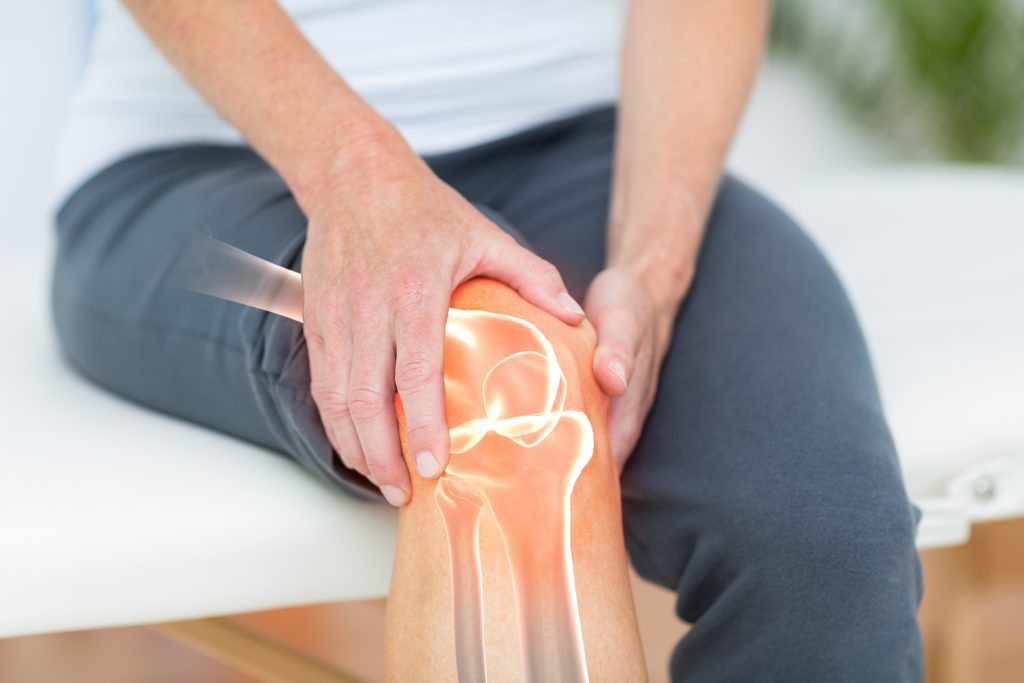
อาการของโรคข้อเข่าเสื่อมแบ่งได้ 2 กลุ่มอาการ ได้แก่
- อาการที่เกิดจากลักษณะทางกายภาพที่ผิดปกติไปของข้อเข่าที่เสื่อม จะส่งผลให้เกิดการผิดรูปของข้อเข่า (โก่งเข้าใน-ออกนอก) หรือ ส่งผลต่อการใช้งาน การขยับเคลื่อนไหวข้อเข่า อาการเหล่านี้ ได้แก่
- ข้อเข่าที่เสื่อมช่องข้อแคบลงจากเนื้อกระดูกอ่อนที่หายไป ซึ่งมักจะเกิดกับช่องข้อด้านในก่อน การที่ช่องข้อแคบลงเฉพาะด้านใน ทำให้เกิดการเอียงของข้อเข่า เกิดเป็นเข่าโก่งงอเกิดขึ้น
- เกิดกระดูกงอกขอบผิวข้อทำให้ข้อติดขัด เวลาเคลื่อนไหวมีเสียงดังคล้ายมีกรวดทรายหยาบอยู่ในข้อ หรือ ทำให้งอ-เหยียดเข่าได้ไม่ปกติ ติดขัดได้
- อาการที่เกิดกับกล้ามเนื้อขยับข้อเข่า ทำให้รู้สึกขาหนัก เมื่อยล้า หรือ ขาไม่มีแรง เกิดจากการที่ข้อเข่าสีกหรอ ขุรขระ ไม่เรียบ ทำให้กล้ามเนื้อที่ใช้ขยับหมุนข้อต้องทำงานหนักขึ้น เพื่อเคลื่อนไหวข้อเข่า และทำกิจกรรมต่างๆ
- อาการที่เกิดจากการอักเสบข้อเข่า การอักเสบ เป็นกระบวนการที่ร่างกายตอบสนองต่อสิ่งที่ทําให้เนื้อเยื่อของร่างกายได้รับบาดเจ็บ (ในข้อเข่าเสื่อมคือกระดูกอ่อนที่สึกหรอ เสียหายไป) เกิดการเข้ามาในบริเวณอักเสบของเซลล์เม็ดเลือดขาว และการเพิ่มขึ้นของสารอักเสบในบริเวณอักเสบ อาการของการอักเสบข้อเข่า ที่เกิดจากโรคข้อเข่าเสื่อม ได้แก่
- อาการปวดเข่า เกิดจากสารอักเสบที่เพิ่มขึ้นในบริเวณอักเสบ มักเป็นอาการสำคัญเริ่มแรก จะมีอาการปวด เจ็บ ขัด เสียว แสบ รู้สึกได้บริเวณรอบๆข้อ โดยเฉพาะด้านในของข้อเข่า อาจมีอาการปวดด้านหน้า หรือ ด้านหลังของข้อเข่าร่วมด้วยตามระดับความรุนแรงของโรค เมื่อเป็นมากจะปวดเข่าตลอดเวลาขยับเคลื่อนไหว ยืน เดิน ซึ่งจะทำให้คนไข้ใช้งานข้อเข่าได้ ไม่คล่องเหมือนเดิม
- อาการข้อเข่า บวม แดง ร้อน เกิดจากการเพิ่มขึ้นของเลือด และของเหลวในบริเวณอักเสบ
การวินิจฉัยภาวะข้อเข่าเสื่อม
- ซักประวัติ: อาศัยการซักประวัติการตรวจร่างกายโดยผู้ป่วยโรคข้อเสื่อมมักมีอาการและอาการแสดงดังกล่าว ทำให้สามารถวินิฉัยโรคได้โดยไม่จำเป็นต้องต้องถ่ายภาพเอกซเรย์ การถ่ายภาพเอกซเรย์ของข้อเข่ามีความสำคัญเพื่อประเมินระดับความรุนแรงของโรคและพิจารณาแนวทางในการรักษาต่อไป
- ภาพเอ็กซเรย์: การเอ็กซเรย์ทำในท่ายืนลงน้ำหนักที่ขาทั้งสองข้าง จะเห็นความผิดปกติ เช่นช่องของข้อเข่าแคบลงมีกระดูกงอกตามขอบของกระดูกเข่าและกระดูกสะบ้า ในรายที่เป็นมากจะพบการโก่งงอผิดรูปของข้อเข่
แนวทางการรักษาเบื้องต้น หรือในกลุ่มที่มีอาการข้อเข่าเสื่อมไม่มากนัก
กลุ่มที่ยังมีอาการข้อเข่าเสื่อมในระดับเริ่มแรก รวมถึงการป้องกันสำหรับผู้ที่อยู่ในกลุ่มเสี่ยงจะเป็นโรคนี้ สิ่งที่ควรปฏิบัติมีแนวทางง่ายๆ 3 ข้อ คือ
- ควบคุมน้ำหนักตัว โดยในคนที่มีค่าน้ำหนักตัวเกินกว่ามาตรฐาน ก็ควรที่จะทำการลดน้ำหนัก
- พบว่าการลดน้ำหนักลง 5% จะเริ่มเห็นผล ช่วยให้อาการปวดข้อเข่าดีขึ้นได้
- สำหรับผู้ที่ไม่สามารถลดน้ำหนักลงได้ แม้พยายามเต็มที่แล้ว ก็ควรระมัดระวังอย่าให้น้ำหนักตัวเพิ่ม เพราะยิ่งน้ำหนักตัวเพิ่มขึ้นเท่าไหร่ ยิ่งเป็นภาระต่อหัวเข่าเรามากขึ้นเท่านั้น
- หลีกเลี่ยงการใช้งานหัวเข่าที่ไม่เหมาะสม
- ไม่ควรยืน หรือนั่งอยู่ในท่าใดท่าหนึ่งเป็นเวลานานๆ
- ไม่ควรอยู่ในท่าที่มีการงอเข่าเกินกว่ามุมฉาก (งอมากกว่า 90 องศา) เช่น การนั่งคู้เข่า พับเพียบ ขัดสมาธิ หรือนั่งยองๆ เพราะการงอเข่า เป็นท่าที่ทำให้แรงดันในหัวเข่ามากขึ้น และจะทำให้เกิดความเสียหายต่อผิวข้อกระดูกอ่อนมากขึ้น
- ไม่ควรหิ้ว หรือแบกของหนักๆ เป็นเวลานาน เพราะจะยิ่งเป็นการเพิ่มน้ำหนักและภาระต่อข้อเข่า
- เสริมสร้าง และฟื้นฟูความแข็งแรงของกล้ามเนื้อหัวเข่า
- คนส่วนใหญ่มักจะเข้าใจว่าการเดิน การเคลื่อนไหวทำงาน เป็นการออกกำลังกายอยู่แล้ว ซึ่งเป็นความเข้าใจที่ผิด ต้องเรียกว่าเป็นการใช้งานเสียมากกว่า ดังนั้นเมื่อมีการใช้งานมาก ก็อาจทำให้เกิดความเสื่อมสภาพได้มากเช่นกัน
- การบริหารกล้ามเนื้อหัวเข่านั้น ไม่ลำบากยุ่งยาก และไม่ต้องใช้อุปกรณ์ใดๆ ขอเพียงแค่ใส่ใจ และสละเวลาเพียงเล็กน้อยเท่านั้น
- วิธีการคือ ให้นั่งบนเก้าอี้หลังพิงพนักยกเท้าขึ้นมาและเกร็งกล้ามเนื้อต้นขาโดยการกระดกข้อเท้าให้นับ 5-10 วินาทีทำข้างละ 15-30 ครั้งอย่างน้อยวันละ 3 เวลา ยิ่งสามารถทำได้มากเท่าไหร่ก็ยิ่งเพิ่มความแข็งแรงกับกล้ามเนื้อรอบข้อเข่ามากขึ้นเท่านั้น
การรักษาข้อเข่าเสื่อมด้วยการผ่าตัด
ในกรณีที่อาการข้อเข่าเสื่อมอยู่ในระยะรุนแรง การรักษาด้วยยาหรือการรักษาด้วยวิธีประคับประคองแล้วไม่ได้ผล แพทย์จะพิจารณาผ่าตัดข้อเข่าเสื่อม ซึ่งเป็นการรักษาที่มีประสิทธิภาพ ตรงจุด ลดอาการปวดเข่า ทั้งยังทำให้คนไข้กลับมาเดิน ยืน หรือทำกิจกรรมในชีวิตประจำวันได้ตามปกติ มีคุณภาพชีวิตที่ดีขึ้นได้
สำหรับคนที่อาการของโรคอยู่ในระยะเริ่มต้น การดูแลตัวเองร่วมด้วยการบริหารกล้ามเนื้อหัวเข่า ช่วยให้อาการของโรคดีขึ้นได้มาก หรือหายได้ในบางรายที่อายุยังไม่มากนัก ส่วนในรายที่มีอาการรุนแรง และไม่สามารถรักษาได้ด้วยวิธีการเบื้องต้น จำเป็นต้องพบแพทย์ผู้เชี่ยวชาญเพื่อรับรับคำแนะนำการรักษาโรคข้อเข่าเสื่อม ซึ่งมีวิธีการรักษาหลากหลาย ขึ้นอยู่กับอาการของคนไข้แต่ละคน
การรักษาข้อเข่าเสื่อม แบบผ่าตัดและไม่ผ่าตัด แนวทางไหนเหมาะกับใคร
การรักษาข้อเข่าเสื่อมนับเป็นศาสตร์และศิลป์ที่ไม่สามารถชี้ชัดลงไปได้ เพราะอาการบาดเจ็บของแต่ละคนแตกต่างกันไป ทั้งอยู่บนความรุนแรงที่ไม่เหมือนกัน ในวันนี้เราจะมาทำความเข้าใจแนวทางการรักษาข้อเข่าเสื่อม แบบผ่าตัดและไม่ผ่าตัด ว่าแนวทางไหนเหมาะกับใคร
แนวทางการรักษาข้อเข่าเสื่อมแบบไม่ผ่าตัด
การรักษาข้อเข่าเสื่อมแบบไม่ผ่าตัด เหมาะกับคนที่อาการของโรคอยู่ในระยะเริ่มต้นถึงปานกลาง อาการไม่รุนแรง ยังไม่เจ็บปวดจากการเคลื่อนไหว หรือการใช้งานเข่า จนกระทบกระเทือนการใช้ชีวิตประจำวันมากนัก
การดูแลตัวเองร่วมด้วยการรักษา จะช่วยให้อาการของโรคดีขึ้นได้มาก หรือหายได้ในรายที่อายุยังไม่มากนัก ซึ่งแนวทางการรักษาข้อเข่าเสื่อมแบบไม่ผ่าตัด จะแบ่งออกเป็นการปรับพฤติกรรมการใช้ชีวิต กายภาพบำบัด ออกกำลังกาย และการใช้ยาร่วมด้วย
1. การปรับพฤติกรรมการใช้ชีวิต
อาจจะเป็นเรื่องยาก แต่การปรับพฤติกรรมช่วยได้มากสำหรับการรักษาข้อเข่าเสื่อม โดยหลักๆ พฤติกรรมที่ควรปรับเปลี่ยนคือ
- ควบคุมน้ำหนักตัวให้อยู่ในเกณฑ์มาตรฐาน พบว่ายิ่งน้ำหนักตัวน้อยลง 5% จากช่วงที่มีอาการปวดเข่า ก็จะช่วยให้อาการปวดเข่าดีขึ้นได้
- หลีกเลี่ยงการใช้งานหัวเข่าที่หนักหนาเกินไป เช่น ไม่นั่งคุกเข่า พับเพียบ ขัดสมาธิ เพราะการงอเข่าจะทำให้แรงดันในหัวเข่ามากขึ้น และเกิดความเสียหายต่อผิวข้อกระดูกอ่อนมากขึ้นด้วย
- ไม่ยกของหนัก หรือหิ้วของหนักๆ เป็นเวลานาน เพราะการเพิ่มน้ำหนักจะส่งผลต่อหัวเข่าที่ต้องรับน้ำหนักมากขึ้นตามไปด้วย
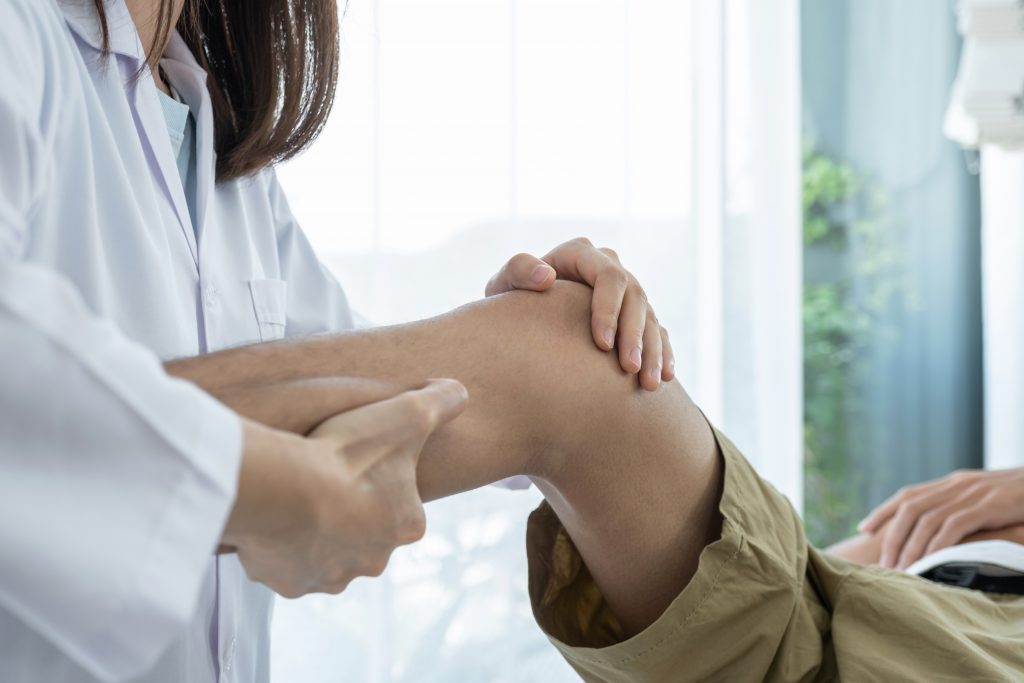
2. กายภาพบำบัด และการออกกำลังกาย
การกายภาพบำบัดและออกกำลังกาย เพื่อเสริมสร้างและฟื้นฟูความแข็งแรงของกล้ามเนื้อหัวเข่า
- การออกกำลังกายเพื่อบริหารกล้ามเนื้อหัวเข่า คือการพุ่งประเด็นไปที่กล้ามเนื้อต้นขาด้านหน้า(Quadriceps) และต้นขาด้านหลัง (Hamstring) ซึ่งจะช่วยให้การพยุงและรับน้ำหนักตัว แบ่งเบาน้ำหนักที่ถ่ายลงมาที่ข้อเข่า พบว่าการออกกำลังกายกล้ามเนื้อต้นขา ช่วยให้อาการปวดหัวเข่าดีขึ้นได้ชัดเจน และป้องกันอาการปวดเข่าในระยะยาวอีกด้วย
- สำหรับผู้สูงอายุ การออกกำลังกายที่ง่ายและเหมาะสมที่สุดคือการเดินพื้นราบ ในความเร็วและระยะเวลาที่ไม่ทำให้เกิดอาการเจ็บเข่า อาจเดินบนเครื่องเดินออกกำลังกาย หรือ เดินบนพื้นปกติก็ได้ และอาจต้องสังเกตว่าถ้าเดินได้ระยะเวลาเท่าใดแล้วเริ่มมีอาการเจ็บเข่า แสดงว่าเป็นระยะเวลาที่มากเกินไป ซึ่งควรปรับลดระยะเวลาเดินให้น้อยลง หรือ เปลี่ยนไปเดินบนพื้นหญ้าที่อ่อนนุ่มขึ้นเพื่อช่วยลดแรงกระแทกต่อข้อเข่า

3. การรักษาข้อเข่าเสื่อมด้วยการใช้ยา
หากการรักษาทั่วไปไม่สามารถลดอาการปวดข้อเข่า จำเป็นต้องใช้ยาร่วมด้วยในการรักษา ซึ่งการใช้ยาควรอยู่ในดุลยพินิจและการดูแลของแพทย์
- ยาแก้ปวดและยาลดการอักเสบ เป็นยาที่ใช้รักษาตามอาการปวดที่เกิดขึ้น สามารถลดอาการปวดได้อย่างมีประสิทธิภาพในช่วงที่ข้อเข่ากำลังมีการอักเสบ
อย่างไรก็ตาม ยากลุ่มนี้ออกฤทธิ์ลดการอักเสบแบบชั่วครั้งชั่วคราว พอหมดฤทธิ์ยาอาการปวดก็จะกลับมาได้อีก เนื่องจากยากลุ่มนี้ไม่ได้รักษาความเสื่อมของข้อ แต่เป็นการรักษาการปวดอักเสบที่เกิดจากข้อเสื่อมเท่านั้น
การใช้ยาในกลุ่มนี้จึงแนะนำให้ใช้เฉพาะเวลาที่มีอาการและใช้เพียงช่วงสั้นๆเท่านั้น ควรควบคู่ไปกับการรักษาด้วยวิธีอื่น เช่น การลดน้ำหนัก หรือปรับเปลี่ยนกิจวัตรประจำวันที่ทำร้ายเข่าให้ลดน้อยลง
ที่สำคัญการใช้ยาลดอักเสบต้องระมัดระวังอย่างมาก เนี่องจากอาจก่อให้เกิดผลเสียได้ เมื่อใช้ยาต่อเนื่องเป็นเวลานาน อาจส่งผลให้เกิดภาวะความดันโลหิตสูงขึ้น การทำงานของไตแย่ลง เป็นแผลในกระเพาะอาหาร หรือเกิดเลือดออกในทางเดินอาหารได้ เป็นต้น
- ยาเสตียรอยด์ (Steroid) เป็นยาที่นิยมใช้ฉีดลดการอักเสบในข้อเข่า เพราะเป็นยาที่ออกฤทธิ์เร็ว ลดอาการอักเสบได้ดีมาก แต่ก็มีผลข้างเคียงค่อนข้างมาก เช่นอาจเกิดการติดเชื้อได้ง่าย โดยปกติแพทย์จะเลือกใช้ยากับผู้ป่วยที่มีความจำเป็นจริงๆ เท่านั้น ไม่ใช้ยาฉีดสเตียรอยด์เข้าข้อเข่าต่อเนื่องซ้ำหลายๆ ครั้ง หรือต่อเนื่องเป็นเวลานาน
- กลุ่มยารักษาอาการข้อเสื่อมแบบใช้ต่อเนื่อง (SYSADOA) เป็นยาที่ช่วยลดอาการปวด อักเสบจากข้อเสื่อม เมื่อมีการใช้อย่างต่อเนื่อง มักเริ่มแสดงผลที่ 3-4 สัปดาห์หลังการใช้ยา เป็นยาที่ออกฤทธิ์ช้าๆ แต่เมื่อใช้ในระยะเวลาที่เหมาะสมจะควบคุมอาการปวดได้เป็นระยะเวลานาน
โดยทั่วไปแนะนำให้ใช้ต่อเนื่องประมาณ 3-6 เดือน การใช้ยาในกลุ่มนี้มีเป้าหมายเพื่อลดปวด และลดปริมาณการใช้ยาแก้ปวด แก้อักเสบลง นอกจากนี้ยังมีข้อมูลว่ายาช่วยชะลอการสึกหรอบางลงของกระดูกอ่อนผิวข้อได้เล็กน้อย ยาในกลุ่มนี้ได้แก่ ยากลูโคซามีน (Glucosamine) ยาไดอะเซรีน (Diacerein) หรือ ยาคอนดรอยติน (Chondroitin) เป็นต้น
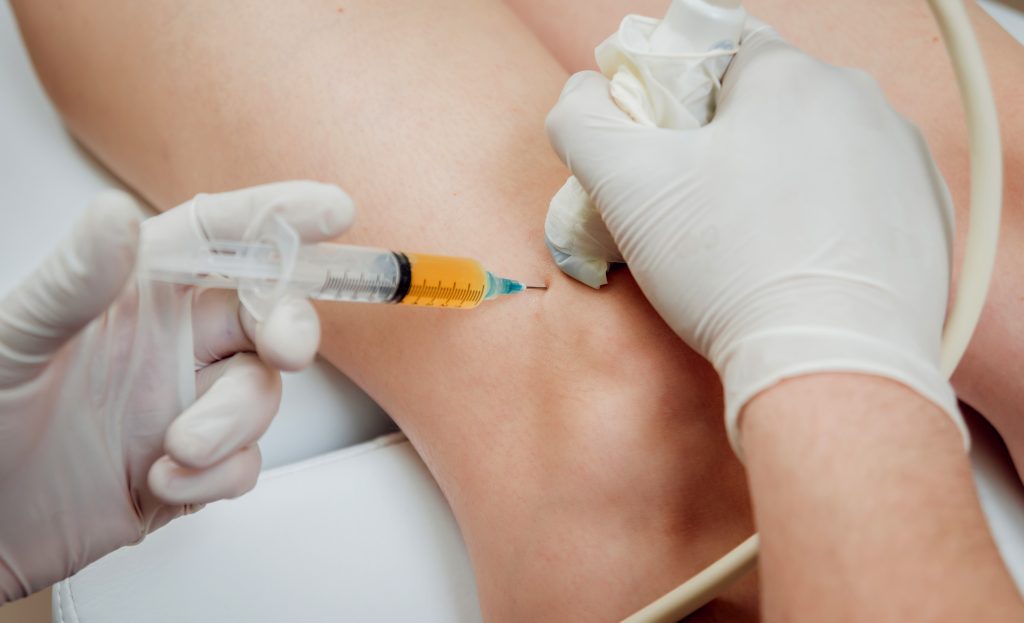
- การฉีดน้ำหล่อเลี้ยงข้อเทียม (Visco Supplementation) เป็นยากลุ่มที่ใช้ฉีดเข้าไปในข้อโดยตรง ออกฤทธิ์เฉพาะที่ มีเป้าหมายเพื่อเข้าไปทดแทนน้ำเลี้ยงข้อที่น้อยลงจากโรคข้อเสื่อม ช่วยลดการเสียดสีภายในข้อและยังช่วยลดการอักเสบได้ในระยะเวลานาน อาจช่วยลดอาการปวดลดการใช้ยาแก้ปวดได้นานหลายเดือน
ยากลุ่มนี้เหมาะสมกับผู้ป่วยที่ไม่สามารถกินยาแก้ปวดอักเสบได้อย่างต่อเนื่อง เนื่องจากมีผลข้างเคียงจากการใช้ยาเกิดขึ้น หรือมีโรคประจำตัวที่ไม่สามารถกินยาได้ ซึ่งยาฉีดน้ำหล่อเลี้ยงข้อเทียมมีหลากหลายชนิด ส่วนใหญ่จะฉีดยาเข้าช่องข้อสัปดาห์ละ 1 เข็ม โดยมีชนิดยาที่ฉีดตั้งแต่ 1 – 5 เข็ม
- อาหารเสริม คอลลาเจน สารเหล่านี้ถือเป็นสิ่งที่ใช้เสริมในการรักษาข้อเสื่อม ไม่ได้ถือเป็นยาที่ใช้ในการรักษาโดยตรง สามารถหาซื้อได้ทั่วไป มีหลากหลายรูปแบบหลายชนิด อาจมากกว่าร้อยแบบที่อยู่ในท้องตลาดปัจจุบัน
สารเหล่านี้ออกฤทธิ์ช่วยลดอาการปวดการอักเสบได้ และมักมีการโฆษณาว่าสามารถป้องกันและรักษาข้อเสื่อมได้ด้วย อย่างไรก็ตามหลักฐานยืนยันจากการศึกษาของสารในกลุ่มนี้ยังมีอยู่น้อย ผลการศึกษามักจะไม่ชัดเจนเพียงพอที่จะขึ้นทะเบียนเป็นยาที่ใช้ในการรักษาได้ หากคนไข้จะใช้เองจึงแนะนำให้ใช้โดยการพิจารณาอย่างรอบคอบก่อน
แนวทางการรักษาข้อเข่าเสื่อมด้วยการผ่าตัด
แนวทางการรักษาข้อเข่าเสื่อมด้วยการผ่าตัด เหมาะสำหรับผู้ที่รักษาด้วยวิธีการไม่ผ่าตัดแล้วอาการยังไม่ดีขึ้น รวมทั้งผู้ที่มีอาการข้อเข่าเสื่อมรุนแรง เจ็บปวดจนมีความลำบากในการใช้ชีวิตประจำวัน ปวดมากเวลายืนเดิน ข้อเข่าหลวม หรือมองเห็นความโก่งงอของเข่าชัดเจน เป็นต้น
การผ่าตัดเพื่อรักษาข้อเข่าเสื่อมแบ่งได้เป็นสองแนวทางใหญ่ๆ คือการผ่าตัดจัดแนวกระดูกแก้ความโก่งงอของเข่า และการผ่าตัดเปลี่ยนข้อเทียม
- การผ่าตัดจัดแนวกระดูกแก้ความโก่งงอของเข่า วิธีนี้ต้องมีการตัดกระดูกทำให้เกิดรอยหักของกระดูกเกิดขึ้น แล้วแพทย์จะทำการยึดตรึงกระดูกไว้ด้วยโลหะยึดดามกระดูก
การผ่าตัดวิธีนี้เป็นการยืดอายุการใช้งานของข้อเข่าเดิมได้ต่อไปอีก แต่ต้องมีการดูแลหลังการผ่าตัดให้กระดูกติดดีก่อน จึงจะสามารถใช้งานหัวเข่าได้อย่างเต็มที่ เหมาะสำหรับคนที่อายุน้อย จำเป็นต้องใช้หัวเข่าในการเดินยืนทำงานค่อนข้างมาก
- การรักษาด้วยการผ่าตัดเปลี่ยนข้อเข่าเทียม เป็นการรักษาที่ได้ผลดีมากในการลดอาการปวดข้อ ข้อเข่าโก่งผิดรูปจากโรคข้อเข่าเสื่อม ช่วยคืนคุณภาพการใช้งานข้อเข่าดี และฟื้นคืนคุณภาพชีวิตที่ให้แก่คนไข้โรคข้อเสื่อมที่มีอาการรุนแรง และรักษาด้วยวิธีไม่ผ่าตัดแล้วยังมีอาการเจ็บปวดที่หนักหนากับการใช้ชีวิตประจำวัน
การผ่าตัดใส่ข้อเทียม คือการใส่ข้อเข่าเทียมครอบฝังแทนที่ผิวข้อเดิมที่เสื่อม สึกหรอเดิม เนื่องจากประสบการณ์การผ่าตัดของทีมแพทย์ kdms ร่วมกับความก้าวหน้าของเครื่องมือผ่าตัด และพัฒนาการของข้อเทียม ส่งผลให้การผ่าตัดเปลี่ยนข้อเทียมเป็นการผ่าตัดที่ใช้เวลาสั้นลงมาก การตั้งแนวข้อและใส่ข้อแม่นยำมากขึ้น การฟื้นตัวรวดเร็วและเจ็บปวดน้อยลงอีกด้วย
อย่างไรก็ดี การรักษาข้อเข่าเสื่อมนั้นไม่ได้เป็นคำตอบที่มีเพียงแค่ถูกหรือผิด เพราะอาการของแต่ละคน รวมถึงความจำเป็นในการใช้ชีวิตของแต่ละคนแตกต่างกันไป การปรึกษากับแพทย์ผู้เชี่ยวชาญ เพื่อให้ได้ข้อมูลรอบด้านในการนำไปตัดสินใจเป็นสิ่งที่ผู้เจ็บป่วยควรร่วมปรึกษาแพทย์ในการวางแผนการรักษา เพื่อให้ได้ผลที่ดีที่สุดสำหรับตัวคนไข้เอง
โรคข้อเข่าเสื่อม กระทบอะไรกับชีวิตประจำวันบ้าง?
ออกกำลังกายไม่ได้ จนกลายเป็นยิ่งทำลายสุขภาพตัวเอง
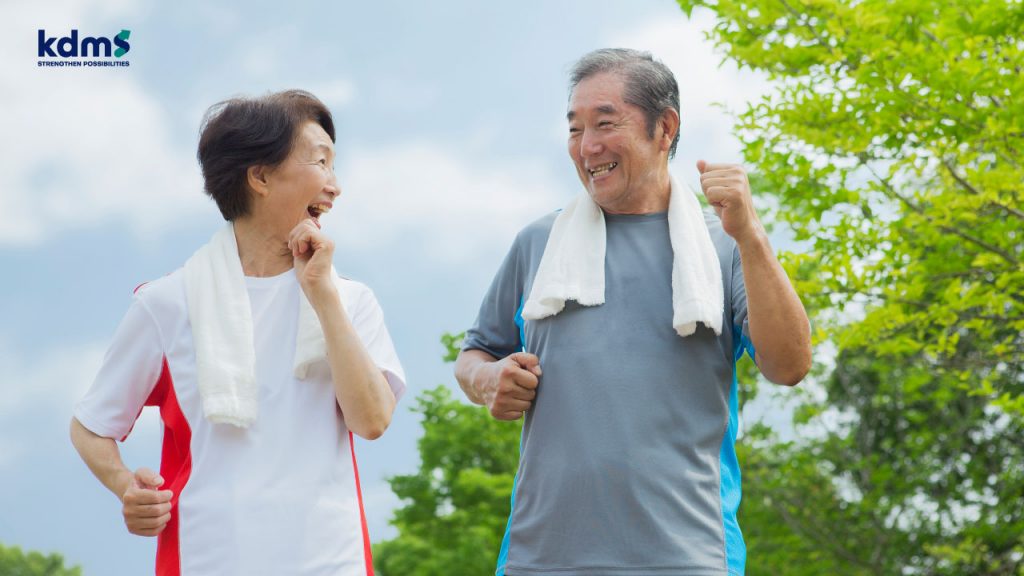
หนึ่งในกิจกรรมโปรดของผู้สูงวัยทั้งหลาย คือการได้ไปออกกำลังกายตามสวนสาธารณะต่าง ๆ ไม่ว่าจะเป็นแบบคนเดียว หรือแบบรวมกลุ่มกันกับเพื่อน ๆ ผู้สูงอายุ ได้เดินออกกำลังกาย รำมวยจีน เต้นแอโรบิก หรือรำไทเก็ก ฯลฯ แต่เมื่อข้อเข่าเกิดเสื่อมจนมีอาการปวดรุนแรงแล้ว กิจกรรมการออกกำลังกายเหล่านี้ก็จะไม่สามารถทำได้อีก หรือทำได้เพียงแค่ระยะเวลาสั้น ๆ เพราะแม้บางการออกกำลังอาจไม่ได้มีท่ายากมาก เป็นแค่การเคลื่อนไหวอยู่กับที่ แต่ก็จะมีท่าย่อ ท่ายอง ที่ส่งผลกระทบโดยตรงต่อเข่า ทำให้ไม่สามารถเคลื่อนไหวได้อย่างที่เคยเป็น หรือทำได้เพียงแค่ 10 นาที ก็เจ็บปวดจนต้องถอดใจยอมแพ้ ซึ่งผลที่ตามต่อมาก็คือ เมื่อไม่ได้ออกกำลังกาย ไม่ได้เคลื่อนไหวร่างกาย น้ำหนักตัวก็จะเพิ่มขึ้น และกลายเป็นหนึ่งในสาเหตุที่เพิ่มความรุนแรงของอาการปวดข้อเข่าให้มากขึ้นได้
เข้าวัดฟังเทศน์ ทำบุญลำบาก ถูกพรากความสุขสงบทางจิตใจ
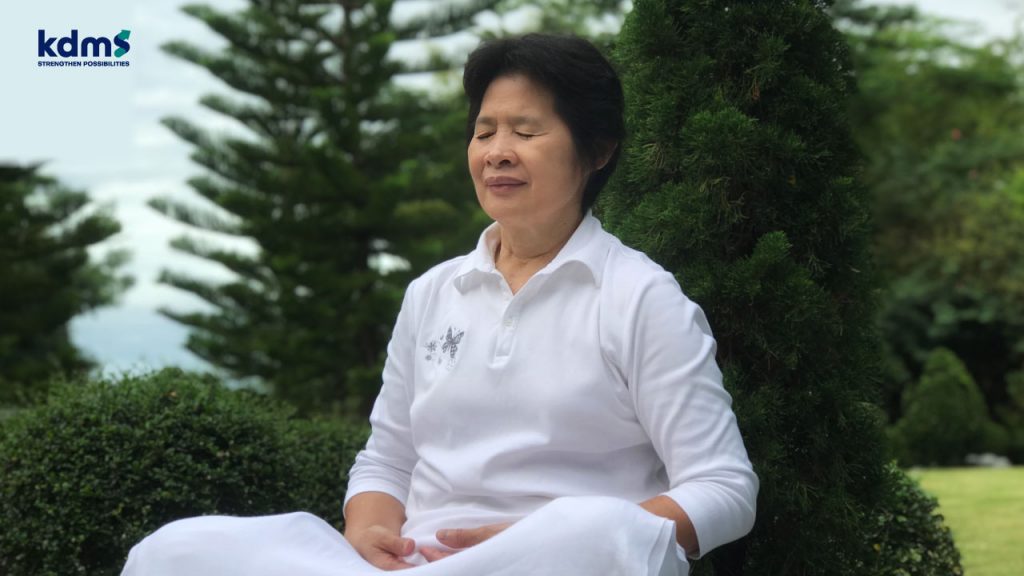
วิถีชีวิตของคนไทยผูกพันกับพุทธศาสนาตั้งแต่แรกเกิด และยิ่งในช่วงบั้นปลายของชีวิต การเข้าวัดฟังธรรม ได้ทำบุญนั้น ถือเป็นกิจกรรมที่ช่วยสร้างความสงบ และความสุขอิ่มเอมอย่างมาก หากแต่เมื่อข้อเข่าเสื่อม กิจกรรมที่มีลักษณะเป็น กิจกรรมที่จะต้องอยู่กับพื้น เช่น นั่งพับเพียบ นั่งขัดสมาธิ สวดมนต์ ฟังเทศน์ ฯลฯ จะไม่สามารถทำได้สะดวก คือ ไม่ได้นั่งลงแล้วเจ็บ แต่จะเจ็บปวดจนไม่สามารถที่จะล้มตัวลงนั่งกับพื้นเพื่อทำกิจกรรมต่าง ๆ ในวัดได้เลย จึงทำให้เกิดเป็นความทุกข์ที่กัดกินใจ เมื่อไม่สามารถไปวัด ทำบุญได้เหมือนที่เคย
ต้องตัดใจงดเดินทาง โดดเดี่ยวอ้างว้างที่ต้องตัดขาดกับครอบครัว
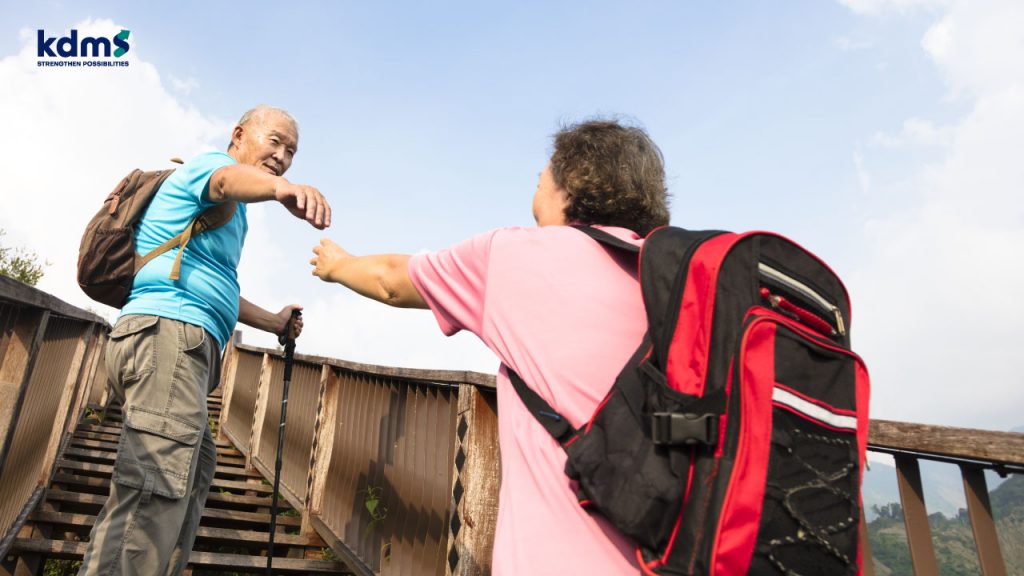
เป้าหมายในบั้นปลายชีวิตของผู้สูงอายุทุกคน ล้วนมีเรื่องการเดินทางท่องเที่ยวรวมอยู่ด้วยเสมอ เพราะทุ่มเททำงานมาทั้งชีวิต ก็เพื่อที่จะได้ใช้ชีวิตในช่วงบั้นปลายสุดท้ายได้อย่างอิสระที่สุด แต่ความเจ็บปวดจากอาการข้อเข่าเสื่อม ก็จะทำตัดโอกาสในการเดินทางท่องเที่ยวออกไป เพราะไม่สามารถเดินเที่ยวได้ เดินได้ไม่นานก็ต้องพัก ไม่สามารถท่องเที่ยวธรรมชาติ เดินขึ้นทางลาดชัน เดินป่า หรือต้องขึ้นบันไดเยอะ ๆ ซึ่งถ้าไปกับทัวร์ก็จะหมดสนุก ส่วนไปกับครอบครัว เพื่อนฝูงก็จะไม่สะดวก รู้สึกเป็นภาระ ทำให้ต้องตัดขาดตัวเอง ไม่ไปไหนกับเพื่อนและครอบครัว กลายเป็นความรู้สึกอ้างว้างโดดเดี่ยว และโหยหาชีวิตที่สามารถเดินเหินได้อย่างที่ใจต้องการ
Q&A
Q: สาเหตุหรือปัจจัยเสี่ยงที่ทำให้เกิดข้อเข่าเสื่อม มีอะไรบ้าง ?
1. อายุที่มากขึ้น
2. น้ำหนักตัวมากเกินเกณฑ์ (ภาวะน้ำหนักเกิน หรือ โรคอ้วน)
3. การใช้งานข้อเข่าอย่างหนัก ต่อเนื่องยาวนาน เช่น งานที่ต้องยกของหนักบ่อยๆ, งานที่ต้องมีกิจกรรมการนั่งบนพื้น พับเพียบ นั่งยอง ย่อเข่าบ่อยๆ
4. อุบัติเหตุที่เคยเกิดขึ้นบริเวณข้อเข่า เช่น กระดูกหัก, กระดูกสะบ้าเข่าหัก, การฉีดขาดของเอ็นไขว้หน้า หรือหมอนรองกระดูกเข่า
5. โรคข้ออักเสบเรื้อรังต่างๆ เช่น โรครูมาตอยด์, โรคเก๊าท์ เป็นต้น
Q: แนวทางการรักษาข้อเข่าเสื่อมแบบไม่ผ่าตัด มีแบบไหนบ้าง ?
1. การปรับพฤติกรรมการใช้ชีวิต
2. กายภาพบำบัด และการออกกำลังกาย
3. การรักษาข้อเข่าเสื่อมด้วยการใช้ยา
4. การฉีดน้ำหล่อเลี้ยงข้อเทียม
5. อาหารเสริม คอลลาเจน