
วิเคราะห์อาการปวดหัวเข่า ปวดข้อเข่า แบบไหนอย่างไรจึงควรพบแพทย์

ปวดหัวเข่า นับว่าเป็นอาการเจ็บปวดที่เกิดขึ้นบ่อย ซึ่งไม่ใช่ว่าจะมีเฉพาะผู้สูงอายุเท่านั้น ในวัยรุ่น วัยผู้ใหญ่ รวมถึงช่วงวัยอื่นๆ ก็อาจเกิดอาการได้เช่นเดียวกัน
ปวดหัวเข่าเป็นอาการของระบบข้อต่อกระดูก กล้ามเนื้อ ซึ่งพบได้บ่อยว่าเป็นอาการที่ทำให้คนไข้ต้องมาปรึกษาแพทย์ หรือต้องมาตรวจที่โรงพยาบาล เพราะกระทบกระเทือนต่อการใช้ชีวิตประจำวัน เนื่องจากเป็นอวัยวะสำคัญที่ช่วยรับน้ำหนัก และเคลื่อนไหวร่างกาย
Table of Contents
ปวดหัวเข่า มีอาการอย่างไรบ้าง
ปวดหัวเข่า หรือปวดข้อเข่า คืออาการที่มีการเจ็บ ปวด ขัด เสียว มีความรู้สึกไม่มั่นคง หรือความรู้สึกว่าข้อเข่าไม่มีแรง ซึ่งอาจรู้สึกได้ทั้งบริเวณด้านหน้าเข่า ด้านหลังข้อเข่า รวมถึงด้านข้างทั้งสองด้านของข้อเข่าด้วย บางครั้งอาจพบว่ามีอาการปวดร้าวขึ้นไปบนต้นขา หรือปวดร้าวลงไปบริเวณน่อง ซึ่งเป็นอาการปวดที่พบร่วมกันกับอาการปวดเข่าได้
เมื่อพูดถึงอาการปวดข้อเข่า เราอาจแบ่งเป็นกลุ่มคร่าวๆ ได้ 4 กลุ่ม ดังนี้
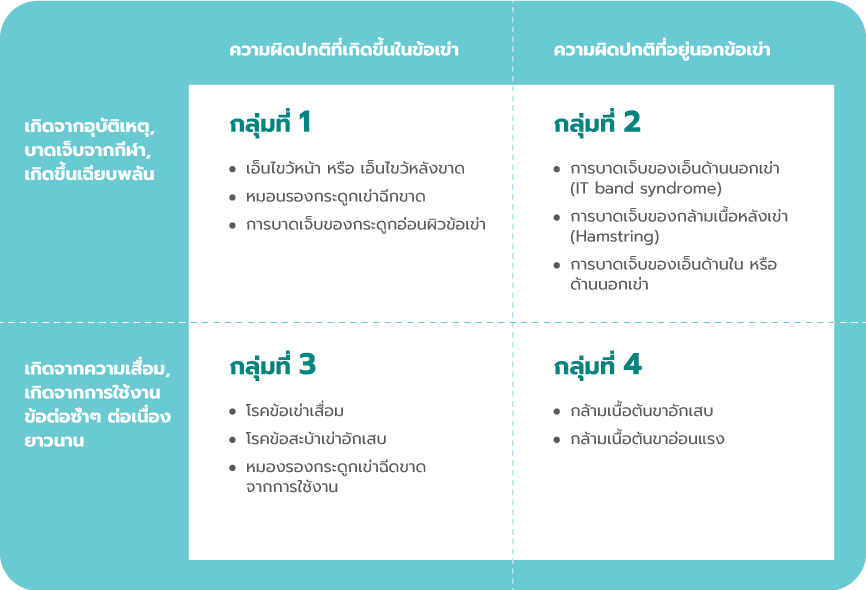
- กลุ่มแรก: เกิดจากอุบัติเหตุ หรือ เกิดจากการบาดเจ็บขณะเล่นกีฬา และมีการบาดเจ็บเกิดขึ้นกับอวัยวะ หรือ โครงสร้างในช่องข้อเข่า จะทำให้เกิดอาการปวดเข่าจาก กระดูกอ่อนผิวข้อบาดเจ็บ, เอ็นไขว้หน้า, เอ็นไขว้หลังฉีกขาด หรือ หมอนรองกระดูกข้อเข่าฉีกขาด เป็นต้น
- กลุ่มที่สอง: กลุ่มที่เป็นโรคที่เกิดกับอวัยวะนอกข้อเข่า และเกิดจากอาการบาดเจ็บจากการใช้งานเฉียบพลันหรือการเล่นกีฬา ทำให้เกิดการเคล็ด ยอก ของเส้นเอ็นด้านใน – ด้านนอกข้อเข่า หรือพบเจอบ่อยๆ ในนักวิ่งก็คือ อาการเจ็บด้านนอกข้อเข่า IT Band Syndrome (Iliotibial Band Syndrome) หรือเจ็บเคล็ดยอกกล้ามเนื้อหลังเข่า (Hamstring) หรือเกิดการบาดเจ็บอักเสบของเอ็นสะบ้าเข่า เป็นต้น
นัดหมายแพทย์เพื่อปรึกษา และวินิจฉัยอาการได้ที่ 02-080-8999
Line @kdmshospital

- กลุ่มที่สาม: อาการปวดในข้อเข่าที่เกิดจากความเสื่อม หรือการใช้งานข้อเข่าต่อเนื่องยาวนาน และเกิดความผิดปกติขึ้นกับอวัยวะ หรือโครงสร้างภายในข้อเข่า ซึ่งก็คือโรคข้อเข่าเสื่อม (OA Knee) ซึ่งพบได้บ่อยในผู้สูงอายุ แต่ปัจจุบันพบว่าโรคนี้เกิดขึ้นกับคนที่อายุน้อยลง โดยเริ่มพบได้บ่อยขึ้นตั้งแต่อายุราว 45 ปีขึ้นไป เนื่องจากไลฟ์สไตล์ของคนที่เปลี่ยนไป ทำให้เคลื่อนไหวน้อยลง เกิดภาวะน้ำหนักเกิน หรือโรคอ้วน ซึ่งส่งผลให้ข้อเข่าเกิดการเสื่อมก่อนวัยอันควร นอกจากนี้จะพบว่าข้อเข่าเสื่อมนั้นสามารถเกิดจากโรคข้อสะบ้าเข่าอักเสบ หรือโรคหมอนรองกระดูกในข้อเข่าฉีกขาดจากการใช้งานก็ได้
- กลุ่มที่สี่: โรคความเสื่อมที่ใช้งานมานาน กับอวัยวะนอกข้อ อย่างเช่นโรคกล้ามเนื้ออักเสบเรื้อรัง โรคกล้ามเนื้อต้นขาอ่อนแรง เป็นต้น โดยในกลุ่มนี้มักจะเกิดขึ้นกับผู้สูงอายุ เนื่องจากอายุที่มากขึ้นทำให้กล้ามเนื้อ กระดูก และเส้นประสาทเสื่อมลง ทำงานได้ไม่ดีนัก

อาการที่พบบ่อยจากการปวดข้อเข่า
ถ้าหากมีอาการเจ็บปวดหัวเข่า เราควรสังเกตว่ามีอาการอย่างไร เพื่อทำความเข้าใจเบื้องต้น ทั้งยังเป็นข้อมูลที่สำคัญต่อการวินิจฉันโรค
อาการปวดหัวเข่าหรือข้อเข่า แบ่งออกได้หลายรูปแบบ ที่พบได้บ่อยดังนี้
- อาการปวดข้อเข่าระหว่างมีการขยับใช้งาน
อาการปวดแบบนี้จะเกิดขึ้นเมื่อขยับหรือลงน้ำหนักบางท่า เป็นเฉพาะจังหวะที่เคลื่อนไหว ไม่ได้เจ็บปวดตลอดเวลา ถ้านั่งพัก นอนพักเฉยๆ จะไม่มีอาการ อาการปวดแบบนี้บ่งบอกว่าเกิดความผิดปกติขึ้นกับโครงสร้างบางตำแหน่งของข้อเข่าที่มีการใช้งาน หรือรับน้ำหนักเมื่อมีการเคลื่อนไหวเท่านั้น
- ปวดเฉพาะตอนเริ่มขยับแรกๆ
ปวดเฉพาะตอนเริ่มขยับ พอใช้งานสักพักอาการปวดจะหายไป อย่างเช่น หลังตื่นนอนตอนเช้า เมื่อลุกขึ้นมาเดิน ขยับก้าวแรกจะปวดหัวเข่ามาก แต่พอขยับเคลื่อนไหวสักพักอาการปวดจะทุเลาลง หรือตอนกลางวันที่นั่งทำงานนานๆ พอลุกขึ้นยืนจะเจ็บหัวเข่ามากๆ เดินไปสัก 5-10 ก้าวอาการเจ็บถึงจะเบาบางลง
ในกลุ่มนี้บ่งบอกว่าเป็นอาการอักเสบที่ยังไม่รุนแรงมากนัก เพราะเวลาที่เราไม่ได้ขยับข้อเข่าเป็นเวลานาน จะมีอาการอับเสบสะสมอยู่ในตำแหน่งที่มีโรค ทันทีที่เราขยับครั้งแรกจะเหมือนเป็นการกระตุ้นให้การอักเสบเพิ่มขึ้น พอใช้งานสักพักจนเลือดเข้าไปเลี้ยงในบริเวณหัวเข่า อาการอักเสบก็จะกระจายออกไปทำให้อาการปวดอักเสบลดลงได้
- ปวดหัวเข่าตลอดเวลา
ปวดหัวเข่าตลอดเวลาแม้ว่าจะเป็นตอนนอนพัก หรือนั่งอยู่เฉยๆ อาการปวดแบบนี้บ่งบอกถึงการอักเสบที่รุนแรงขึ้น และสารอักเสบที่คั่งมีปริมาณค่อนข้างมากในข้อเข่า ซึ่งอาการอักเสบรุนแรงแบบนี้อาจจะพบร่วมกับอาการบวม แดง ร้อนของข้อเข่า ซึ่งสังเกตได้ด้วยตัวเองง่ายๆโดยเอามือวางสัมผัสบนเข่าทั้ง 2 ข้าง จะพบว่าข้อเข่าข้างที่อักเสบจะมีความอุ่น ร้อนที่มากกว่าเข่าข้างปกติ
- อาการปวดเฉพาะตำแหน่งที่กดโดน
อาการแบบนี้เรียกว่าเป็นรอยโรค หรือพยาธิสภาพเฉพาะตำแหน่งที่เรากดเท่านั้น เช่นการบาดเจ็บ การเคล็ดอักเสบของ IT Band ซึ่งเป็นเส้นเอ็นที่อยู่ด้านนอกเข่า ซึ่งจะทำงานหนักเวลาวิ่ง จะเจ็บเฉพาะเวลาที่กดโดน แต่ถ้าเป็นการใช้งานทั่วไป นั่ง ยืน เดิน นอน จะมีอาการเจ็บน้อย หรือไม่เจ็บเลย
การดูแลรักษาตัวเองเบื้องต้น หากมีอาการปวดหัวเข่า
- พักการใช้งาน
เพราะเข่าเป็นอวัยวะที่ใช้ในการเคลื่อนไหว ยืน เดิน รับน้ำหนัก เมื่อเราใช้งานมากขึ้นก็จะมีโอกาสให้เกิดการอักเสบมากขึ้น เพราะฉะนั้นให้พักการใช้งาน ลดการเคลื่อนไหว แต่ไม่ต้องถึงกับไม่ขยับขาเลย เรียกว่ายังใช้งานกิจวัตรประจำวันได้ตามปกติ แต่ให้ลดกิจกรรมการใช้งานข้อเข่าลง เช่นไม่ยืน เดิน ขึ้นลงบันไดมากๆ เหมือนปกติ เป็นต้น
- ยกปลายขาสูง
ไม่ว่าจะอยู่ในท่านั่งหรือท่านอน ให้ยกปลายขาสูงขึ้น สำหรับท่านั่งให้ยกขาขึ้นมาบนเก้าอี้ ส่วนท่านอนอาจจะหาหมอนหรือผ้าห่มหนุน เพื่อยกปลายเท้าให้สูงขึ้นกว่าลำตัว เพราะถ้าหากปลายขาอยู่ต่ำจะทำให้เลือดลงไปคั่งในบริเวณหัวเข่าที่เกิดการอักเสบ ทำให้อาการปวดเพิ่มมากขึ้น
- การประคบเย็น ประคบร้อน
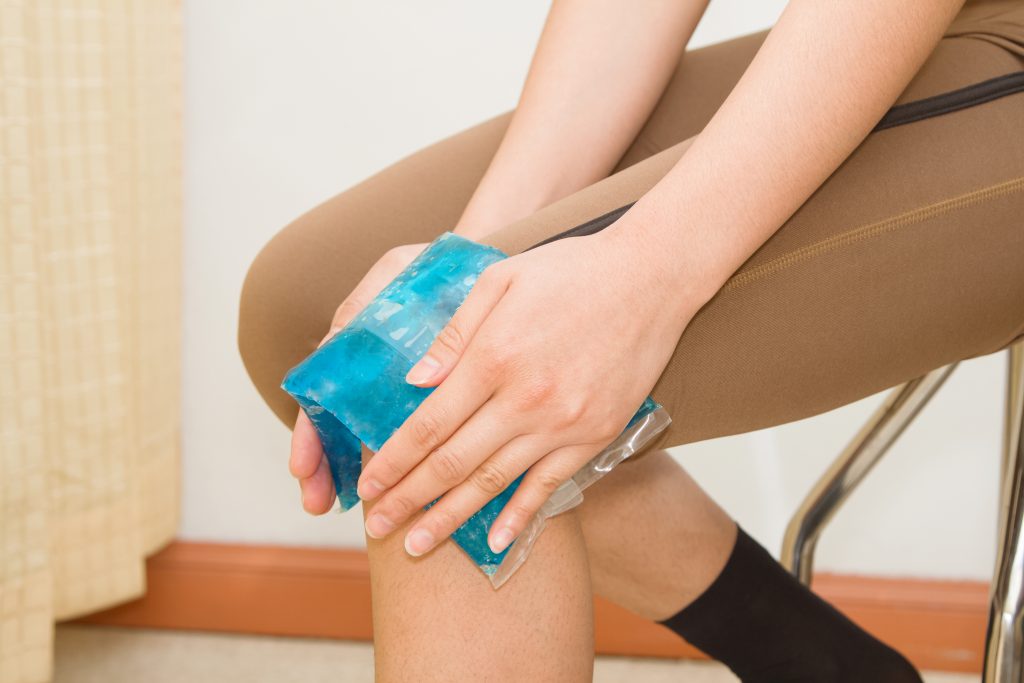
ถ้าเกิดการอักเสบเฉียบพลันภายใน 24 ชั่วโมงแรก แนะนำให้ประคบเย็นเพื่อให้ความเย็นไปหยุดเลือดบริเวณหัวเข่า ไม่ให้เลือดไหลเข้ามาเพิ่มขึ้น ทั้งยังป้องกันไม่ให้สารอักเสบเข้ามาสะสมเพิ่มขึ้น แต่ถ้าเกินจาก 24 ชั่วโมงแรกแล้ว หรือเป็นการอักเสบเรื้อรัง แนะนำให้ประคบอุ่น การประคบอุ่นช่วยให้เลือดเข้ามาเลี้ยงบริเวณหัวเข่ามากขึ้น และเก็บเอาสารอักเสบออกไปได้
อาการปวดหัวเข่าแบบไหนที่ต้องไปพบแพทย์
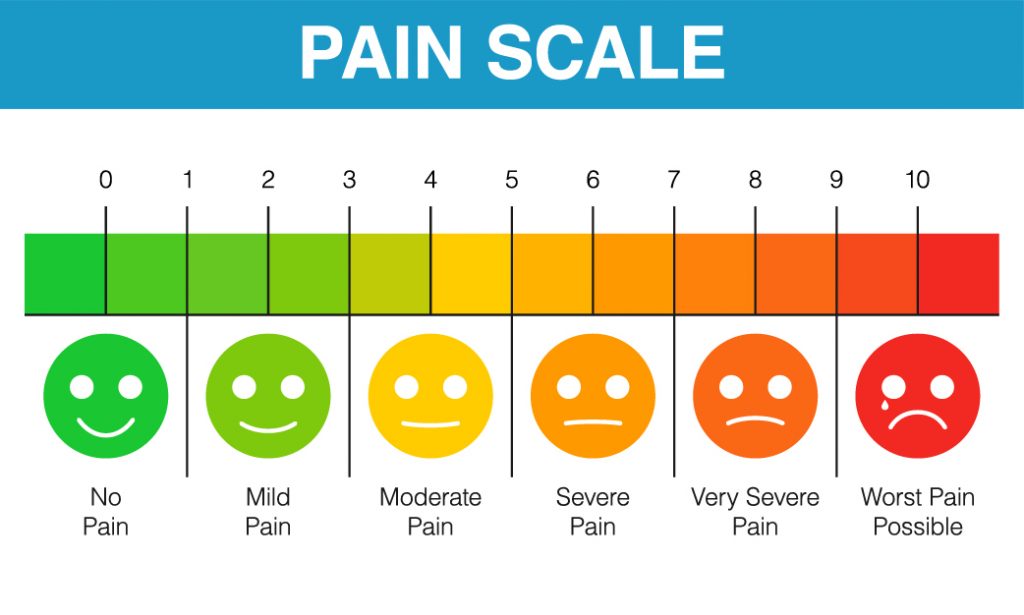
ถ้ามีอาการปวดหัวเข่าที่รุนแรงและชัดเจน อาจจะให้คะแนนความปวด (Pain Scale) ด้วยตัวเองในเบื้องต้น โดยให้คะแนน 0 คือไม่มีความปวดเลย ส่วน 10 ให้จินตนาการว่าคือความปวดที่มากที่สุด ถ้าลองให้คะแนนความปวดด้วยตัวเอง และมีคะแนนความปวดที่มากกว่า 5 คะแนน จะถือได้ว่าเป็นอาการปวดที่ผิดปกติ และควรมาพบแพทย์
- อาการปวดที่เกิดขึ้นแม้กระทั่งพักหรือไม่ได้เคลื่อนไหว
ถ้าปวดหัวเข่าแม้ว่าจะอยู่เฉยๆ แสดงว่าการอักเสบที่สะสมอยู่บริเวณข้อเข่าค่อนข้างมาก ซึ่งนับเป็นอาการของโรคที่ค่อนข้างรุนแรง
- มีอาการปวดเป็นอย่างมากในขณะเคลื่อนไหวเหยียดงอเข่า หรือลงน้ำหนัก
อาการปวดแบบนี้จะทำให้เคลื่อนไหวลำบาก หรือเคลื่อนไหวไม่ได้เลย เรียกง่ายๆ ว่าปวดจนขยับข้อเข่าไม่ได้ ปวดจนยืนลงน้ำหนักไม่ได้ นับเป็นอาการปวดที่ผิดปกติ
- ข้อเข่าที่บวมมาก
เป็นอาการที่บอกได้ว่าน่าจะเกิดความผิดปกติในข้อเข่าค่อนข้างมาก สามารถสังเกตได้ด้วยตัวเอง โดยลองเหยียดขาตรงสุดทั้งสองข้าง จะมองเห็นรอยบุ๋มด้านหน้าข้อเข่าที่จะมีอยู่ตามธรรมชาติ แต่ถ้าหากข้อเข่าที่มีการบวม จะมีน้ำอยู่ข้างข้อในจนดันโป่งขึ้นมา จนมองไม่เห็นรอยบุ๋มหน้าเข่าเมื่อเปรียบเทียบกับข้างที่ปกติ
- อาการปวดเข่าร่วมกับอาการผิดปกติอื่นๆ เช่น
- พบว่ามีจ้ำเลือด หรือรอยช้ำรอบๆ หัวเข่า ไม่ว่าจะด้านหน้า ด้านข้าง หรือด้านหลัง แสดงว่าอาจจะมีเลือดออกเกิดขึ้นกับอวัยวะในข้อเข่าหรือรอบๆ ข้อเข่า
- อาการงอหรือเหยียดเข่าได้ไม่สุด โดยที่ไม่เจ็บ อาการลักษณะนี้อาจจะมีอะไรติดขัดอยู่ในข้อ เป็นอาการที่ควรรับการตรวจวินิจฉัยเพิ่ม
- อาการไข้ ตัวร้อน ถ้ามีอาการนี้ร่วมด้วย บ่งบอกว่าอาจจะมีอาการติดเชื้อภายในข้อเข่า เป็นอาการที่ไม่ปกติ ที่ควรต้องไปพบแพทย์
อาการปวดหัวเข่าจริงๆ แล้วสามารถแยกย่อยออกมาได้หลายสาเหตุหลายโรค และยังมีวิธีการรักษาที่แตกต่างกันไป ดังนั้น เพื่อรักษาข้อเข่าให้อยู่กับเราไปนานๆ วิธีที่ดีที่สุดและปลอดภัยที่สุดคือการพบแพทย์เพื่อวินิจฉัย โดยเฉพาะในรายที่มีอาการค่อนข้างรุนแรง และการปฏิบัติตัวเบื้องต้นอาจไม่ช่วยให้อาการดีขึ้นได้
นัดหมายแพทย์เพื่อปรึกษา และวินิจฉัยอาการได้ที่ 02-080-8999
Line @kdmshospital
Q&A
Q: อาการที่พบบ่อยจากการปวดข้อเข่า มีอะไรบ้าง
1. อาการปวดข้อเข่าระหว่างการขยับใช้งาน จะเกิดขึ้นเมื่อขยับหรือลงน้ำหนักบางท่า เป็นเฉพาะจังหวะที่เคลื่อนไหว ไม่ได้เจ็บปวดตลอดเวลา ถ้านั่งพัก นอนพักเฉยๆ จะไม่มีอาการ
2. ปวดเฉพาะตอนเริ่มขยับ พอใช้งานสักพักอาการปวดจะหายไป อย่างเช่น หลังตื่นนอนตอนเช้า เมื่อลุกขึ้นมาเดิน ขยับก้าวแรกจะปวดหัวเข่ามาก แต่พอขยับเคลื่อนไหวสักพักอาการปวดจะทุเลาลง
3.ปวดหัวเข่าตลอดเวลาแม้ว่าจะเป็นตอนนอนพัก หรือนั่งอยู่เฉยๆ อาการปวดแบบนี้บ่งบอกถึงการอักเสบที่รุนแรงขึ้น ซึ่งอาการอักเสบรุนแรงแบบนี้อาจจะพบร่วมกับอาการบวม แดง ร้อนของข้อเข่า
Q: อาการปวดหัวเข่าแบบไหนที่ต้องไปพบแพทย์
1. อาการปวดที่เกิดขึ้นแม้ไม่ได้เคลื่อนไหวร่างกาย ซึ่งนับเป็นอาการของโรคที่ค่อนข้างรุนแรง
2. มีอาการปวดเป็นอย่างมากในขณะเคลื่อนไหวเหยียดงอเข่า หรือลงน้ำหนัก อาการปวดแบบนี้จะทำให้เคลื่อนไหวลำบาก หรือเคลื่อนไหวไม่ได้เลย
3. ข้อเข่าที่บวมมาก เป็นอาการที่บอกได้ว่าน่าจะเกิดความผิดปกติในข้อเข่าค่อนข้างมาก สามารถสังเกตได้ด้วยตัวเอง โดยลองเหยียดขาตรงสุดทั้งสองข้าง จะมองเห็นรอยบุ๋มด้านหน้าข้อเข่าที่จะมีอยู่ตามธรรมชาติ