
เป็นโรครองช้ำ รักษาอย่างไรดี ?
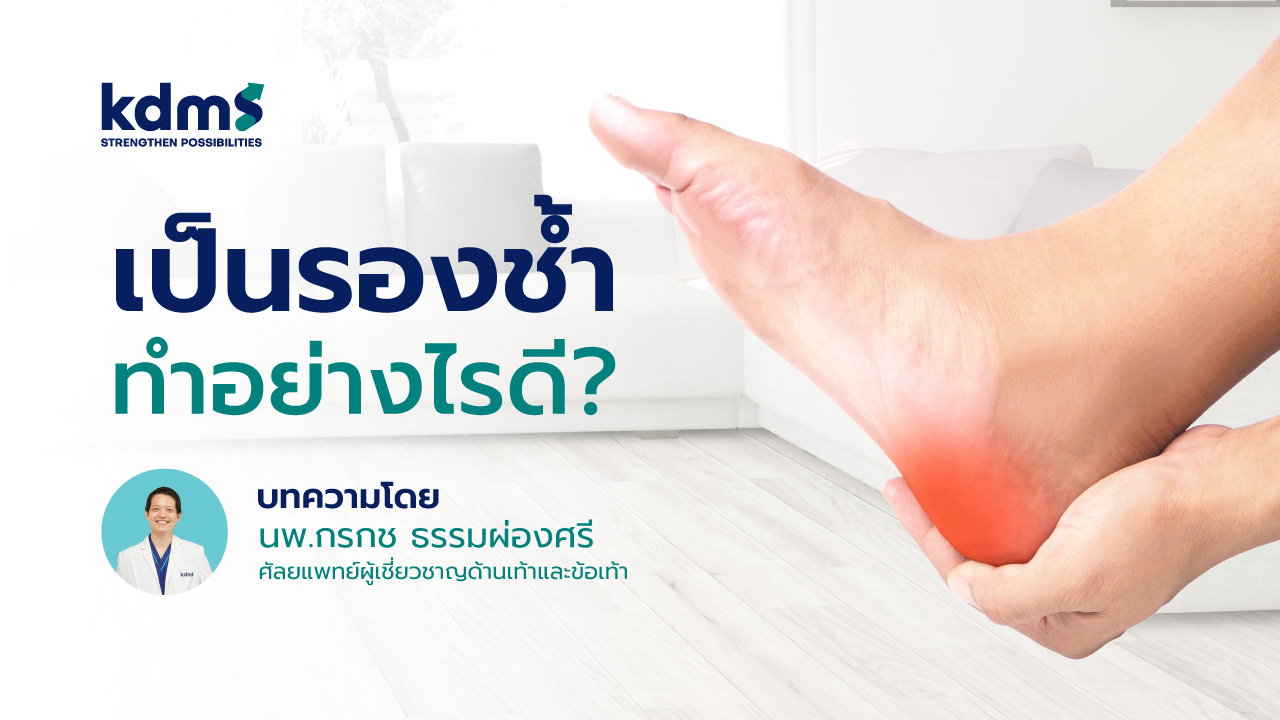
“รองช้ำ” ถือเป็นหนึ่งในโรคที่เชื่อเหลือเกินว่าหลาย ๆ คนคุ้นชื่อ แต่ก็เชื่ออีกเช่นกันว่ามีคนอีกจำนวนไม่น้อยเลยที่ไม่ทราบจริง ๆ ว่าเจ้าโรครองช้ำที่ว่านี้คือโรคอะไรกันแน่ และที่แย่ไปกว่านั้นก็คือ อาจไม่รู้ตัวด้วยซ้ำว่ากำลังเป็นโรคนี้อยู่ แล้วปล่อยให้ส้นเท้าของตัวเองนั้นมีอาการเรื้อรัง จนสุดท้ายก็กลายเป็นรบกวนความสุขในการใช้ชีวิต ซึ่งเพื่อให้เรารู้เท่าทันโรคนี้ซึ่งเป็นโรคที่ไม่ว่าใครก็เป็นได้ โดยเฉพาะอย่างยิ่งกับคนที่มีอาชีพต้องยืนนาน ๆ เดินทำงานหนัก ๆ การทำความรู้จักกับโรครองช้ำให้เข้าใจ ก็จะช่วยให้เราดูแลตัวเองให้ห่างไกลจากภัยของโรครองช้ำได้มากขึ้น
Table of Contents
โรครองช้ำ คืออะไร?
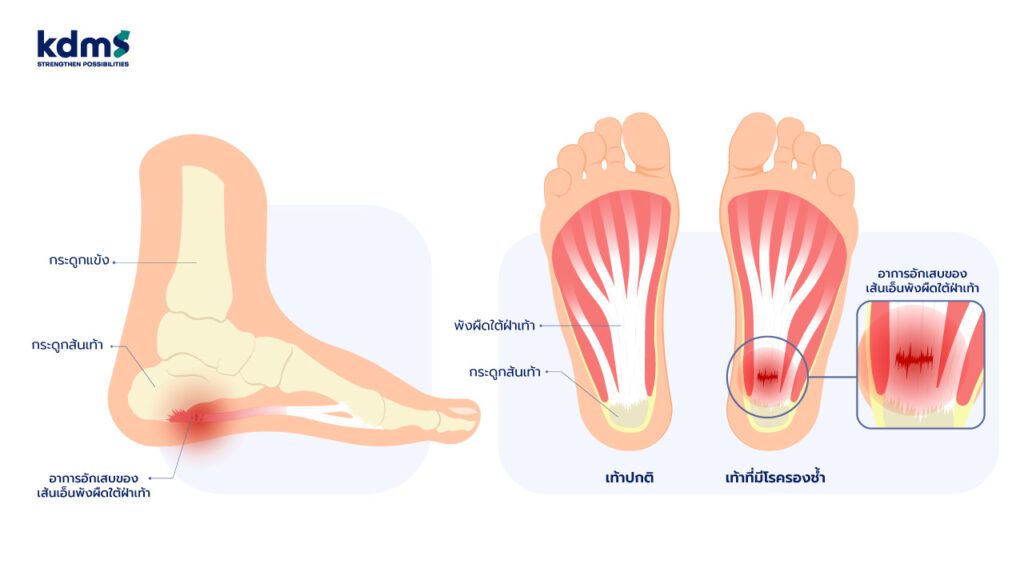
“โรครองช้ำ” ในทางการแพทย์จะเรียกกันอีกชื่อว่า “โรคเอ็นฝ่าเท้าอักเสบ” หรือ “พังผืดฝ่าเท้าอักเสบ” เป็นโรคที่ผู้ป่วยจะมีอาการเจ็บส้นเท้าบริเวณฝั่งที่เหยียบลงไปบนพื้น ซึ่งหากปล่อยให้เรื้อรังจะรบกวนการใช้ชีวิตประจำวัน คือ ไม่สามารถเดิน หรือทำกิจกรรมต่าง ๆ ได้เหมือนปกติ ทั้งนี้ สาเหตุของโรครองช้ำนั้น เกิดจากเส้นเอ็นพังผืดฝ่าเท้ามีการอักเสบ ซึ่งโดยปกติแล้ว ที่ฝ่าเท้าของเราทุกคนจะมีพังผืดฝ่าเท้าอยู่ และเมื่อพังผืดเส้นนี้เกิดอาการตึงจากการใช้งานโดยที่เราไม่ได้ทำการยืดเหยียดให้ดี ก็จะทำให้เกิดการอักเสบที่จุดเกาะพังผืดบริเวณส้นเท้า และเกิดเป็นอาการเจ็บในที่สุด
3 ปัจจัยที่กระตุ้นให้เสี่ยงโรครองช้ำง่ายขึ้น
รองช้ำ คือ โรคที่ทุกคนสามารถเป็นได้ในทุก ๆ ช่วงอายุ ซึ่งสาเหตุปัจจัยที่มีส่วนสำคัญในการกระตุ้นให้เกิดความเสี่ยงเป็นโรครองช้ำ ได้แก่
- เส้นเอ็นร้อยหวายหรือพังผืดฝ่าเท้าตึงเกินไป ไม่ยืดหยุ่น ซึ่งอาจเกิดได้จากการไม่ค่อยได้ยืดคลายเส้นเอ็น ใช้งานอย่างเดียว เช่น ยืนนาน ๆ เดินนาน ๆ แล้วไม่เคยยืดเส้นเอ็นเลย น่องก็จะตึง พังผืดฝ่าเท้าก็จะตึง และทำให้เป็นโรครองช้ำในที่สุด
- เส้นเอ็นเริ่มเสื่อม จากอายุที่มากขึ้น ยิ่งหากเป็นคนที่มีน้ำหนักมาก ประกอบอาชีพที่ต้องยืน เดินทั้งวัน ก็จะยิ่งเสี่ยงเป็นรองช้ำได้ง่ายกว่าคนปกติ ซึ่งเส้นเอ็นที่เริ่มเสื่อมนั้นจะมีลักษณะคล้ายกับเส้นเชือกที่ใช้งานมานาน มีอาการบวม อักเสบ จึงทำให้เจ็บบริเวณบริเวณส้นเท้า
- สวมใส่รองเท้าที่ไม่ถูกสุขลักษณะ แล้วใช้งานเท้าหนักเกินไป เช่น ใส่รองเท้าพื้นแข็ง แล้วยืนนาน ๆ ยืนตลอดทั้งวัน ทำงานที่ต้องเดินทั้งวัน ก็จะทำให้เป็นรองช้ำได้
สังเกตอาการอย่างไร เมื่อสงสัยว่าเป็นโรครองช้ำ
อาการสังเกตของโรครองช้ำที่เป็นสัญญาณเอกลักษณ์สำคัญที่สุด คือ First Step Pain หรือ Morning Pain ซึ่งผู้ป่วยจะมีอาการตื่นเช้ามาแล้ว ก้าวแรกที่ลุกจากเตียงลงเดินจะรู้สึกเจ็บ เพราะตอนกลางคืนที่นอนหลับ เอ็นจะไม่ได้ใช้งาน เอ็นจึงเคยชินอยู่ในท่าที่หย่อน แต่เมื่อตื่นลุกขึ้นก้าวลงเดินจากเตียง เอ็นจะถูกดึงให้ยืดกลับมาเพื่อใช้งาน จึงทำให้เกิดอาการเจ็บแปลบขึ้น
แต่อย่างไรก็ตาม เมื่อเดินต่อเนื่องไปสักประมาณ 5-10 นาที เอ็นก็จะเริ่มกลับมายืดหยุ่นเป็นปกติ ทำให้อาการเจ็บน้อยลง ทั้งนี้ อาการ Morning Pain อาจไม่ได้จำเป็นจะต้องเกิดขึ้นแค่เฉพาะการเดินหลังจากที่ตื่นนอนตอนเช้าเท่านั้น แต่จะเกิดได้จากการเดินหลังจากที่เรานั่งนาน ๆ โดยที่ไม่ได้ใช้งานเท้า แล้วกลับมาเดินจึงค่อยเจ็บก็ได้ เช่น ขับรถนาน ๆ นั่งดูทีวีนาน ๆ แล้วก้าวแรกที่ลงจากรถ หรือลุกเดินจากที่นั่งดูทีวี ก็จะรู้สึกเจ็บ เป็นต้น
ซึ่งด้วยความที่โรครองช้ำในช่วงแรก ๆ นั้นเหมือนจะเป็น ๆ หาย ๆ อาการยังเป็นไม่มาก จึงทำให้หลายคนอาจเพิกเฉย แต่หากปล่อยทิ้งไว้นาน ตัวโรคก็จะทวีความรุนแรงขึ้นได้ โดยจะทำให้เราเจ็บมากขึ้น เดินไม่ได้นานเหมือนปกติ จนรบกวนการใช้ชีวิตประจำวัน
วินิจฉัยอย่างไร จึงมั่นใจว่าเป็นโรครองช้ำ
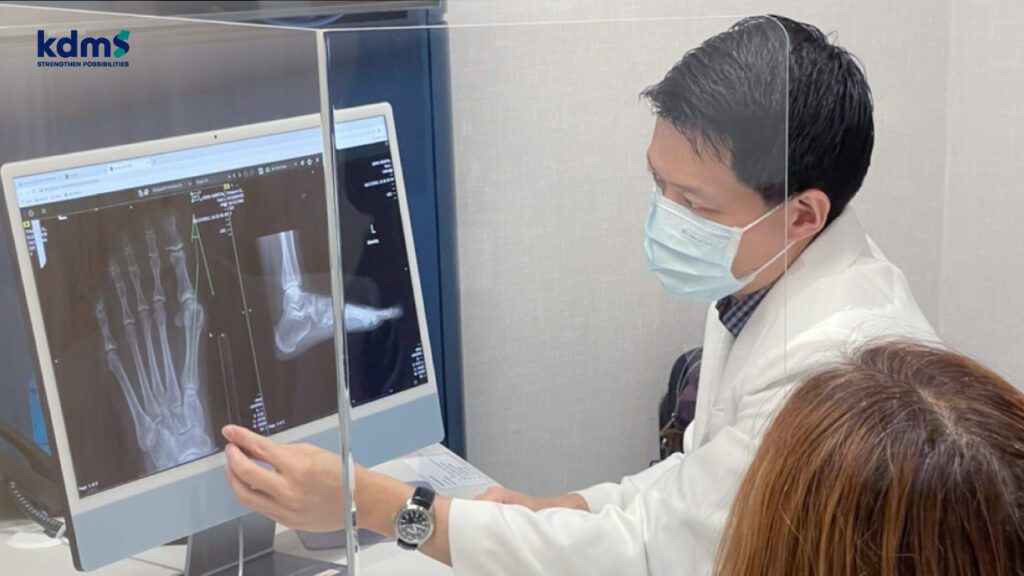
เมื่อผู้ป่วยเข้ามาพบแพทย์ด้วยอาการเจ็บส้นเท้า แล้วสงสัยว่าเป็นโรครองช้ำ แพทย์จะมีวิธีการวินิจฉัยด้วยการทำตามแนวทาง ดังต่อไปนี้
- ซักประวัติตรวจร่างกาย สอบถามว่ามีอาการ Morning Pain ตื่นเช้าลงเดินเจ็บก้าวแรก เดินต่อไปแล้วหายเจ็บ หรือเจ็บน้อยลงหรือไม่ ร่วมกับการตรวจฝ่าเท้าตรงบริเวณจุดกดเจ็บของจุดเกาะเส้นเอ็นพังผืด ซึ่งหากมีประวัติ Morning Pain และกดจุดแล้วเจ็บที่ส้นเท้า ก็เพียงพอให้วินิจฉัยได้ว่าเป็นโรครองช้ำ
- เอกซเรย์ สำหรับผู้ป่วยโรครองช้ำนั้น เมื่อเส้นเอ็นเกิดการอักเสบตรงจุดเกาะพังผืดเป็นเวลานาน ๆ หลายปี ร่างกายจะมีการสร้างแคลเซียมมาพอกเอาไว้ ทำให้เมื่อเอกซเรย์ตรวจสอบจะพบจงอยกระดูกตรงบริเวณส้นเท้าของจุดเกาะเส้นเอ็น ดังนั้น การเอกซเรย์จึงเป็นหนึ่งในหนทางช่วยยืนยันการวินิจฉัยได้เป็นอย่างดีว่าเป็นโรครองช้ำหรือไม่ หากพบว่ามีกระดูกงอกทิ่มเส้นเอ็นอยู่
- อัลตร้าซาวด์ เป็นการตรวจเพื่อดูว่าเส้นเอ็นหนาหรือบวมอักเสบหรือไม่ โดยสำหรับผู้ที่เป็นโรครองช้ำนั้น ทำอัลตราซาวด์จะพบว่า เส้นเอ็นพังผืดฝ่าเท้าจะมีลักษณะบวมหนามากกว่าปกติ ซึ่งบ่งบอกว่าเส้นเอ็นนั้นมีการอักเสบ
วิธีการรักษาโรครองช้ำ ทำได้อย่างไรบ้าง
- ทานยาร่วมกับการทำกายภาพบำบัด เป็นแนวทางการรักษาในกรณีเพิ่งเป็นโรคไม่นาน มีอาการไม่มาก และไม่เคยได้รับการรักษามาก่อน แพทย์จะให้ทานยาลดอักเสบ ยาคลายกล้ามเนื้อ ร่วมกับการปรับพฤติกรรมให้เดินน้อยลง สวมใส่รองเท้าที่มีพื้นนิ่ม พร้อมกับแนะนำวิธีการยืดน่อง เพื่อให้เอ็นยืดหยุ่น รวมถึงการทำกายภาพบำบัดด้วยการนวดฝ่าเท้า เพื่อให้ตัวพังผืดนิ่มลง ซึ่งจะช่วยลดการอักเสบลงได้
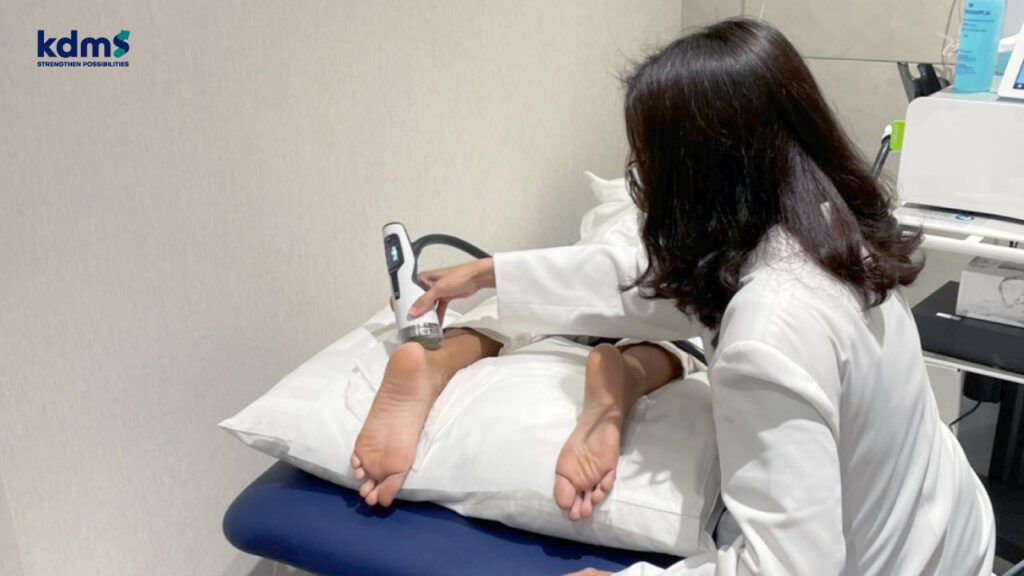
- รักษาด้วยการทำ Shockwave เป็นการรักษาในกรณีที่ทานยาร่วมกับการทำกายภาพบำบัดแล้วไม่หาย หรือในกรณีที่ผู้ป่วยต้องการรักษาให้หายไวขึ้น โดยการ Shockwave นั้น จะเป็นการใช้เครื่องมือการรักษายิงคลื่นเสียงเข้าไปกระแทกบริเวณจุดเกาะเอ็นพังผืดที่บาดเจ็บตรงส้นเท้า เพื่อกระตุ้นการลดการอักเสบ โดยมีงานวิจัยรองรับชัดเจนว่าการใช้คลื่นเสียงนี้ สามารถช่วยรักษาโรครองช้ำได้อย่างมีประสิทธิภาพ
- รักษาด้วยการผ่าตัด โดยทั่วไปแล้วแนวทางการรักษา 2 วิธีแรก ได้แก่ การทานยา ทำกายภาพบำบัด ร่วมกับการทำ Shockwave นั้น สามารถทำให้ผู้ป่วย 80-90% อาการทุเลาลงและกลับมาหายดีได้ จะมีเพียงส่วนน้อยเท่านั้น ที่อาการไม่ดีขึ้น ซึ่งในผู้ป่วยกลุ่มนี้ แพทย์จะพิจารณารักษาด้วยการผ่าตัด ด้วยการตัดพังผืดฝ่าเท้าบางส่วนออก เพื่อให้เอ็นลดความตึงลง ซึ่งเมื่อเอ็นหย่อนคลายมากขึ้น อาการเจ็บจากรองช้ำก็จะหายไป
ปฏิบัติตัวอย่างไร ให้ห่างไกลจากโรครองช้ำ
แม้รองช้ำจะเป็นโรคใกล้ตัวที่ใครก็เป็นได้ และมีส่วนสัมพันธ์กับพฤติกรรมการใช้ชีวิต แต่เราทุกคนก็สามารถดูแลตัวเองให้ห่างไกลจากโรคนี้ได้แบบไม่ยากเลย เพียงแค่เข้าใจสาเหตุของการเกิดโรค และปฏิบัติตัวตามแนวทางง่าย ๆ ดังต่อไปนี้
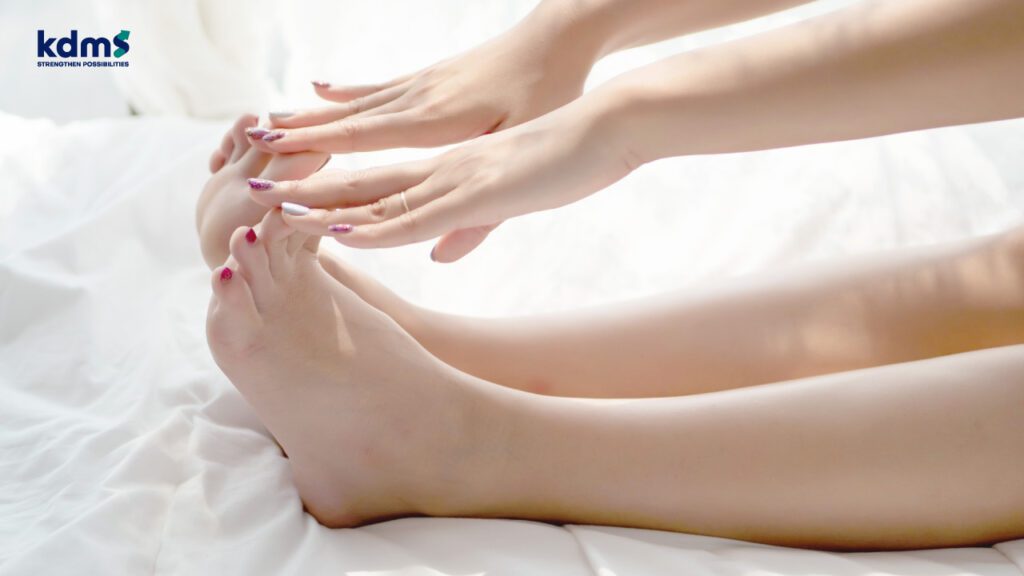
- หมั่นยืดเหยียดคลายเส้นเอ็น ยืดเส้นเอ็นกล้ามเนื้อน่องบ่อย ๆ โดยเฉพาะในคนที่มักมีอาการน่องตึงเสมอ จากการทำงานหนัก ยืนนาน ๆ เดินเยอะ ๆ ซึ่งแม้จะยังไม่ได้ป่วยเป็นโรครองช้ำ ยังไม่ได้มีอาการเจ็บส้นเท้า ก็ควรหมั่นยืดเส้นเอ็นเป็นประจำ เพื่อลดความเสี่ยงในการเป็นโรครองช้ำ รวมถึงยังมีประโยชน์อื่น ๆ ด้วย คือ ช่วยทำให้เราไม่เป็นตะคริว ทำให้เส้นเอ็นยืดหยุ่นแข็งแรง ใช้งานได้อย่างมีประสิทธิภาพมากขึ้น เดินได้ไกลขึ้น นานขึ้น โดยไม่มีอาการปวดตึงน่อง
- สวมใส่รองเท้าที่เหมาะสม ไม่ใส่รองเท้าแตะที่มีพื้นแข็ง ๆ โดยรองเท้าที่แนะนำคือรองเท้ากีฬา รองเท้าวิ่งที่พื้นรองเท้านิ่ม ๆ ยิ่งในคนที่มีน้ำหนักตัวมาก และต้องทำงานที่เดินเยอะ ๆ ยืนนาน ๆ ก็ยิ่งควรต้องใส่รองเท้าที่เหมาะสม ไม่เช่นนั้นหากเลือกใส่รองเท้าพื้นแข็ง ก็จะยิ่งเพิ่มความเสี่ยงในการเป็นรองช้ำได้ง่ายมากขึ้น
สรุป
ในความเป็นจริงแล้ว รองช้ำไม่ได้เป็นโรคอันตรายร้ายแรง และรักษาได้ไม่ยากเลย แต่ถ้าปล่อยเอาไว้นานวันไปโดยไม่ได้รักษาตั้งแต่เนิ่น ๆ ก็จะทำให้เกิดอาการเจ็บปวดส้นเท้าจนรบกวนความสามารถในดำเนินชีวิตประจำวันได้ ซึ่งเมื่อมารักษาในระยะที่เป็นรุนแรงแล้ว ก็จะต้องใช้เวลานานมากขึ้นกว่าจะกลับมาหายเป็นปกติ
ดังนั้น หากสำรวจตัวเองแล้วพบว่ามีอาการเดินแล้วเจ็บส้นเท้า โดยเฉพาะอาการ Morning Pain ที่มักเจ็บตอนเช้าตั้งแต่ก้าวแรกที่ลงจากเตียง ก็ให้ชวนสงสัยว่ามีโอกาสเป็นโรครองช้ำได้ และควรรีบมาปรึกษาแพทย์ผู้เชี่ยวชาญ เพื่อตรวจวินิจฉัยให้มั่นใจ ซึ่งหากเป็นจริงก็จะได้ดำเนินการรักษาให้หายดีโดยเร็ว เพื่อให้โรคไม่ลุกลาม และกลับมาใช้ชีวิต เดินเหิน ทำงาน เล่นกีฬา ทำกิจกรรมต่าง ๆ ได้อย่างเป็นปกติสุขอีกครั้ง
บทความโดย นพ.กรกช ธรรมผ่องศรี ศัลยแพทย์ผู้เชี่ยวชาญด้านเท้าและข้อเท้า