

ปวดสะโพกร้าวลงขา เกิดจากหมอนรองกระดูกเคลื่อนทับเส้นประสาทจริงหรือไม่?

ปวดสะโพกร้าวลงขา (Sciatica Pain) เป็นอาการปวดที่เริ่มต้นบริเวณช่วงเอวหรือสะโพก และมีความปวดร้าวไปถึงช่วงขาด้านหลัง ในบางรายอาจร้าวไปถึงน่องหรือเท้า ซึ่งอาการเช่นนี้วินิจฉัยได้ว่ามีความเกี่ยวข้องกับการถูกกดทับบริเวณเส้นประสาท โดยอาจเป็นเรื่องของหมอนรองกระดูกเคลื่อนไปกดทับ หรืออาจเป็นลักษณะของกระดูกเสื่อมกดทับเส้นประสาทในคนสูงอายุ กล้ามเนื้อสะโพกหนีบเส้นประสาท หรือสาเหตุอื่นๆ ซี่งส่วนใหญ่จะมีอาการปวดลงที่ขาข้างใดข้างหนึ่ง น้อยรายที่จะมีอาการที่ขาทั้งสองข้าง
เพื่อให้เห็นภาพมากยิ่งขึ้น เราควรต้องทำความเข้าใจโครงสร้างภายในร่างกายกันก่อน โดยเส้นประสาทที่มักจะถูกกดทับมีชื่อว่า Sciatica Nerve ที่มีจุดเริ่มต้นออกมาจากบริเวณกระดูกสันหลังส่วนล่างช่วงเอว พาดผ่านสะโพกด้านหลัง ต้นขาด้านหลัง น่อง ไปจนถึงเท้า เพราะฉะนั้นหากมีส่วนหนึ่งส่วนใดที่ผิดปกติและไปกดเบียดเส้นประสาทบริเวณกระดูกสันหลังส่วนล่าง หรือตามแนวที่เส้นประสาทวิ่งผ่าน ก็อาจจะมีอาการปวดหลังร้าวลงขาไปตามแนวเส้นประสาทได้
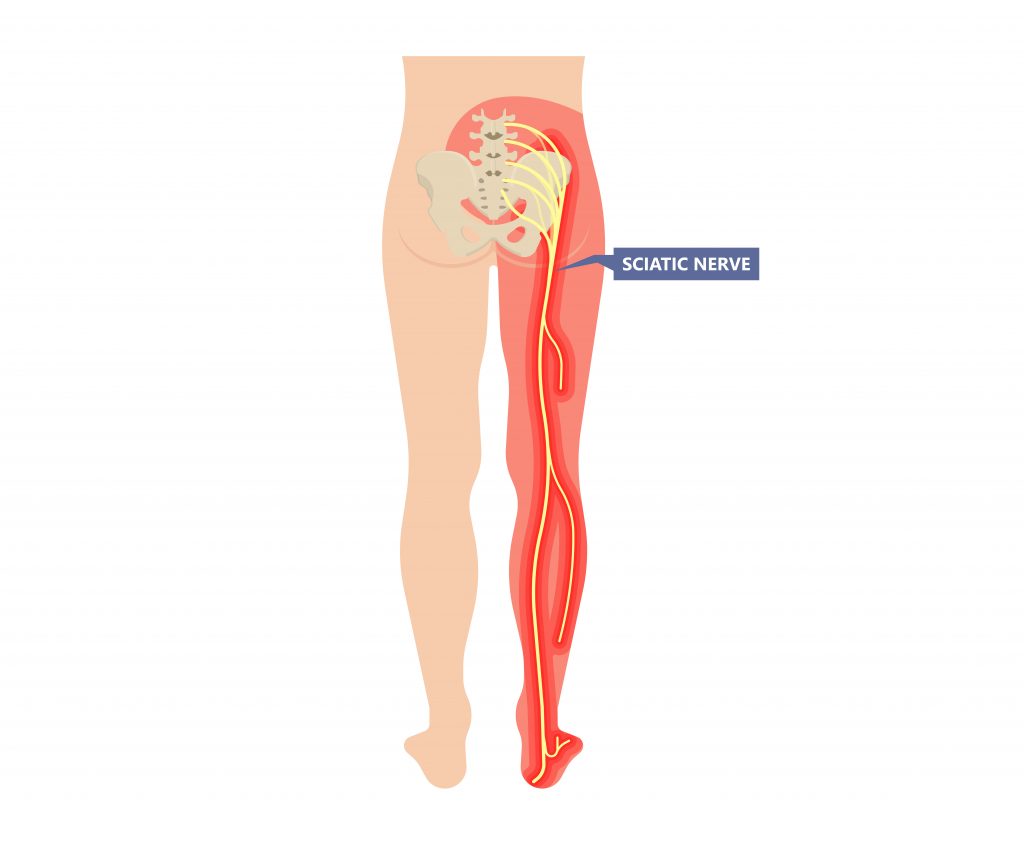
Table of Contents
กลุ่มอาการปวดสะโพกร้าวลงขา อาจไม่ได้เป็นเพราะหมอนรองกระดูกเคลื่อนกดทับเส้นประสาทเสมอไป
ในบทความนี้จะขอแยกแยะอาการบาดเจ็บออกเป็น 2 กลุ่ม โดยกลุ่มแรกจะเป็นอาการปวดที่เกิดจากบริเวณหลัง และอีกกลุ่มหนึ่งคืออาการปวดที่ไม่ได้เกิดจากบริเวณหลัง
กลุ่มอาการปวดที่เกิดจากบริเวณหลัง
- โรคหมอนรองกระดูกเคลื่อนกดทับเส้นประสาท (Herniated nucleus pulposus)
เป็นอาการที่พบได้บ่อยในกลุ่มผู้ที่มีอาการปวดหลังร้าวลงขา เพราะกระดูกสันหลังบริเวณนี้รับน้ำหนักมาก และมีการเคลื่อนไหวค่อนข้างเยอะกว่ากระดูกสันหลังส่วนอื่นๆ ทำให้หมอนรองกระดูกอาจจะเกิดการแตกปลิ้นออกมาจนกดเบียดเส้นประสาท โดยจะมีอาการปวดหลังช่วงเอวต่อกับสะโพก ร่วมกับปวดร้าวลงขา ซึ่งส่วนใหญ่แล้วมักจะเป็นที่ขาข้างใดข้างหนึ่ง อาจมีอาการชาหรืออ่อนแรงร่วมของขาหรือปลายเท้าร่วมด้วยได้
มักพบในผู้ป่วยอายุระหว่าง 20-50 ปี โดยปัจจัยเสี่ยงที่ทำให้เกิดโรคนี้คือการทำงานที่ต้องยกของหนัก น้ำหนักตัวมาก การสูบบุหรี่ การบิดตัวหรือก้มหลังอย่างรวดเร็วและรุนแรง เป็นต้น
- โรคกระดูกสันหลังเสื่อมกดทับเส้นประสาท หรือโรคช่องโพรงกระดูกสันหลังตีบแคบ (Spinal stenosis)
กรณีนี้ส่วนใหญ่มักพบในผู้สูงอายุ หรือที่เรียกกันว่า ‘กระดูกทับเส้นประสาท’ โดยอาจจะมาด้วยอาการปวดหลังร้าวลงขาข้างใดข้างหนึ่ง หรืออาจเป็นทั้งสองข้างก็ได้ ร่วมกับมีอาการชาหรืออ่อนแรงที่ขา โดยจะมีอาการมากขึ้นเวลายืนหรือเดินไปสักระยะหนึ่ง ทำให้ต้องหยุดเพื่อนั่งพัก เมื่อได้พักแล้วความปวดก็จะทุเลาลง
ภาวะนี้เกิดจากความเสื่อมของกระดูกสันหลัง หมอนรองกระดูก และข้อต่อ ทำให้เกิดการทรุดตัวหรือมีกระดูกที่งอกโตขึ้น จนเป็นสาเหตุให้เกิดการกดเบียดทับเส้นประสาท

กลุ่มอาการปวดที่ไม่ได้เกิดจากบริเวณหลัง
- กล้ามเนื้อสะโพกหนีบเส้นประสาท (Piriformis Syndrome)
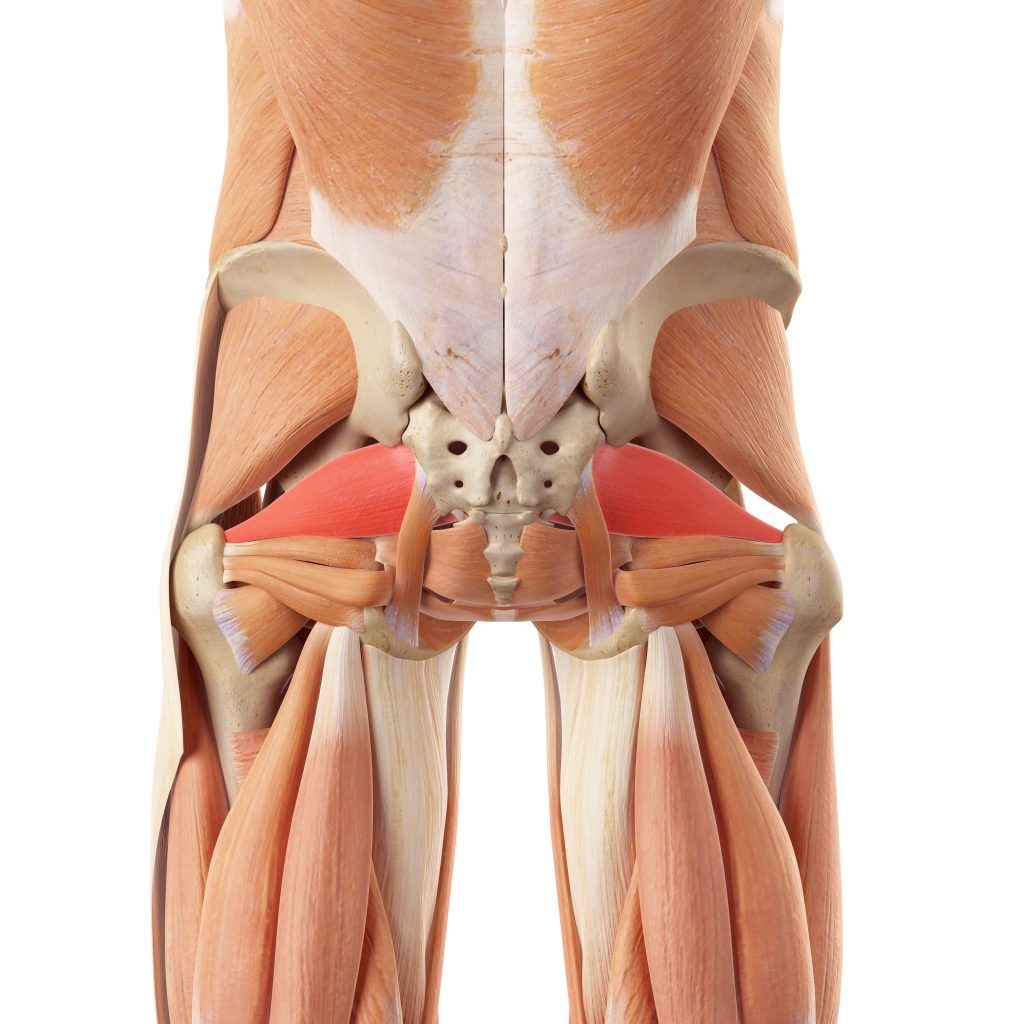
ตำแหน่งกล้ามเนื้อบริเวณสะโพกด้านหลังที่เรียกว่า Piriformis Muscle มีความสำคัญตรงที่กล้ามเนื้อนี้จะอยู่ในชั้นลึกติดกับเส้นประสาท Sciatica หากเกิดความผิดปกติที่กล้ามเนื้อ Piriformis หรือเกิดมีพังผืดในบริเวณโดยรอบ อาจทำให้มีการเบียดทับเส้นประสาท Sciatica Nerve จะทำให้เกิดลักษณะอาการปวดตื้อๆ หน่วงๆ สะโพกด้านหลังร้าวลงขาได้ โดยอาการจะเป็นมากขึ้นเวลาที่นั่งนาน เดินหรือยืนมากๆ
สาเหตุของโรคนี้อาจเกิดจากการนั่งทำงานนานๆ ในท่าที่ไม่เหมาะสม การบาดเจ็บจากการใช้งานหรือเล่นกีฬา การวิ่งหรือเดินระยะทางไกลๆ เป็นต้น
โรคกล้ามเนื้อหนีบเส้นประสาทพบได้ไม่บ่อย โดยจำเป็นต้องตรวจแยกโรคอื่นๆ ที่มีลักษณะอาการคล้ายๆ กันออกไปก่อน เช่น โรคหมอนรองกระดูกกดทับเส้นประสาท โรคกระดูกเสื่อมกดทับเส้นประสาท เป็นต้น
- กล้ามเนื้อแฮมสตริงอักเสบ
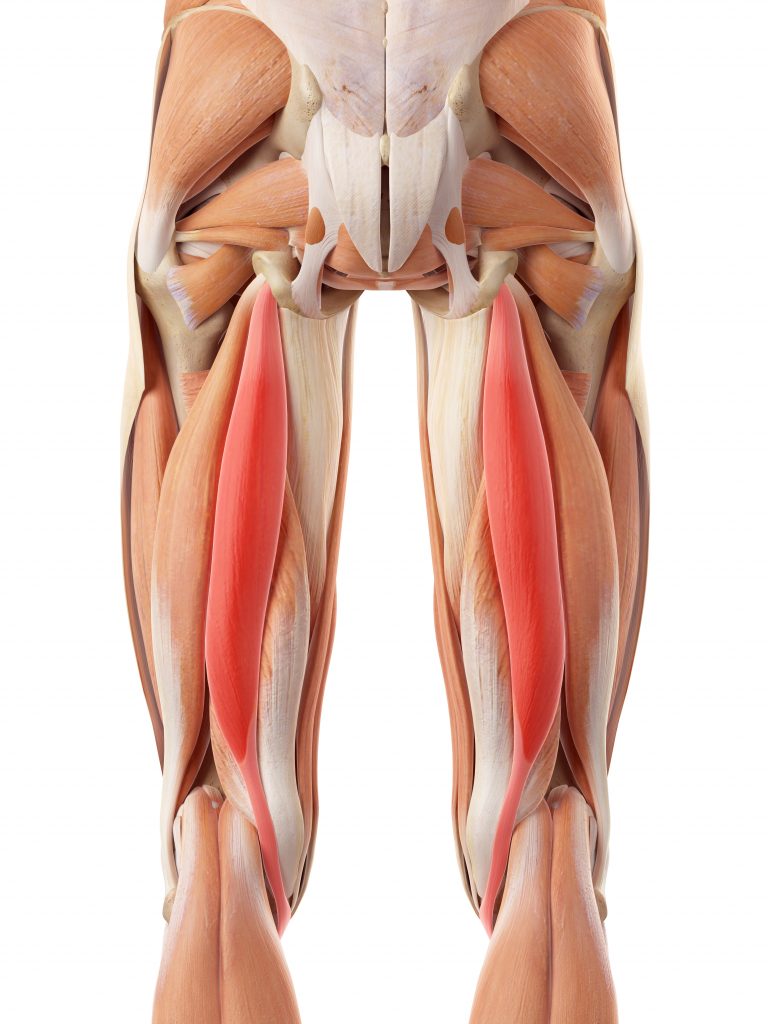
เกิดจากกล้ามเนื้อส่วนที่ต่อระหว่างสะโพกไปถึงหัวเข่า (Hamstring Muscle) ซึ่งหากมีการบาดเจ็บของกล้ามเนื้อส่วนนี้ จะมีอาการปวดบริเวณใต้ก้นลงมาถึงต้นขาด้านหลัง และอาการปวดร้าวจะอยู่แค่ช่วงต้นขาด้านบนเท่านั้น ไม่เลยหัวเข่าลงไปในช่วงแรก แต่ถ้าทำการรักษาที่ไม่เหมาะสมหรือเกิดการบาดเจ็บซ้ำบ่อยๆ นอกจากจะมีอาการปวดที่ต้นขาด้านหลังแล้ว อาจมีอาการตึงที่ข้อพับเข่าด้านหลังหรือปวดร้าวไปที่น่องได้ ทำให้เหยียดเข่าได้ไม่ตรง หรือมีอาการปวดตึงต้นขาด้านหลังเวลาเดินยืนนานๆ
สาเหตุส่วนใหญ่เกิดจากการบาดเจ็บขณะเล่นกีฬา เช่น การเล่นฟุตบอล บาสเกตบอล การวิ่งระยะทางไกล โดยขาดการยืดเหยียดกล้ามเนื้อก่อนและหลังเล่นอย่างเหมาะสม
หากเกิดอาการปวดหลังร้าวลงขาแบบฉับพลันทันที จะแก้ปัญหาอย่างไร
กรณีปวดร้าวลงขา ควรหยุดกิจกรรมที่ทำอยู่ทันที แล้วสังเกตอาการตัวเองว่าเป็นอย่างไร ถ้าพักสักระยะหนึ่งแล้วอาการปวดยังไม่ดีขึ้น หรือถ้าปวดมากร่วมกับรู้สึกว่ามีการชาหรืออ่อนแรงของขาร่วมด้วย แนะนำว่าควรมาพบแพทย์
แต่หากเป็นอาการปวดหลังที่ไม่ได้ร้าวหรือชาไปที่บริเวณอื่น กรณีนี้ต้องบอกว่าอาการปวดนั้นเป็นสัญญาณเตือนตามธรรมชาติที่บ่งบอกว่ากำลังมีความผิดปกติกับร่างกาย ไม่ว่าขณะนั้นคุณจะเล่นกีฬา หรือยกของหนักอยู่ ก็ควรต้องหยุดกิจกรรมนั้นๆ ก่อน แล้วรอดูอาการว่าดีขึ้นหรือไม่ เพราะหากปวดแล้วยังฝืนทำต่อก็มีโอกาสเกิดการบาดเจ็บต่อกล้ามเนื้อหรือกระดูกสันหลังมากขึ้น ซึ่งอาจจะเป็นอันตรายได้
แนวทางการรักษาและกายภาพบำบัด กรณีปวดสะโพกร้าวลงขา
ถ้าหยุดพักแล้วยังมีอาการปวดอยู่ แนะนำให้มาพบแพทย์เพื่อทำการตรวจวินิจฉัย หาสาเหตุของโรค เพื่อทำการรักษาต่อไปตามแต่ละโรค โดยการรักษามีดังนี้
1. การใช้ยาลดอาการปวด
มีการให้ยาหลายรูปแบบเพื่อลดอาการปวดที่เกิดจากหลากหลายสาเหตุ และปรับให้สอดคล้องกับโรคประจำต้วของคนไข้ ทำให้ใช้ยาได้อย่างปลอดภัย และลดปวดได้ตรงกับตัวโรคที่เป็น
2. การรักษาโดยการกายภาพบำบัด
- การออกกำลังกายเพื่อยืดเหยียดและเสริมความแข็งแรงของกล้ามเนื้อ โดยเน้นที่บริเวณกล้ามเนื้อหลังและกล้ามเนื้อหน้าท้อง (Core Muscle Exercise) หรือสามารถเพิ่มการบริหารกล้ามเนื้อช่วงสะโพกร่วมด้วยก็ได้ ซึ่งท่าทางบริหารที่เหมาะสมนั้น แนะนำว่าควรเข้ารับการปรึกษาจากผู้เชี่ยวชาญก่อนเพราะแต่ละตำแหน่งที่มีอาการปวดก็จะมีท่าทางที่เหมาะสมเฉพาะบุคคลแตกต่างกันออกไป
- การรักษาโดยใช้เครื่องมือทางการแพทย์เพื่อช่วยในการฟื้นฟู เครื่องมือที่หลากหลายในการลดปวด คลายกล้ามเนื้อ เช่น การประคบแผ่นร้อน อัลตราซาวด์ การเลเซอร์ ช็อกเวฟ ฝังเข็ม ซึ่งจะทำให้กล้ามเนื้อคลายตัวและลดอาการปวด
นอกจากนี้ยังมีการออกกำลังกายในสระน้ำ (Aquatic Exercise) น้ำจะช่วยพยุงน้ำหนักตัว และมีแรงดันต้านที่ทำให้กล้ามเนื้อฟื้นฟูได้ดีมากขึ้น โดยที่กระดูกสันหลังและข้อต่อต่างๆ รับน้ำหนักน้อยลงขณะออกกำลังกาย
3. การรักษาโดยการผ่าตัด
ในกรณีของกลุ่มอาการปวดสะโพกร้าวลงขาที่เกิดจากหมอนรองกระดูกเคลื่อนกดทับเส้นประสาท หรือโรคกระดูกสันหลังเสื่อมในผู้สูงอายุ หากผ่านรักษาด้วยการกินยาและกายภาพบำบัดแล้ว แต่อาการยังไม่ดีขึ้น แพทย์จะมีวิธีการผ่าตัดเพื่อแก้ปัญหาอาการปวดได้
วิธีการผ่าตัดกระดูกสันหลังสามารถทำได้ได้หลายวิธี ทั้งแบบเปิดแผลปกติ และแบบส่องกล้อง โดยวิธีส่องกล้องจะมีข้อดีคือแผลเล็ก บาดเจ็บน้อย ทำให้ผู้ป่วยสามารถฟื้นตัวได้เร็ว และกลับไปมีคุณภาพชีวิตที่ดีขึ้นได้อย่างที่ต้องการ
อาการปวดหลังหรือปวดสะโพกร้าวลงขานั้นถือว่าเป็นกลุ่มอาการที่ผู้ป่วยจำเป็นต้องสังเกตอาการตัวเองอย่างถี่ถ้วน เพราะหากมองข้ามอาการเพียงเล็กน้อยหรือฝืนทำกิจกรรมที่ไม่เหมาะสมอย่างต่อเนื่อง เราอาจไม่รู้ว่าโครงสร้างภายในร่างกายผิดปกติตรงไหน หรือหมอนรองกระดูกของเราเคลื่อนทับเส้นประสาทหรือไม่ ทางที่ดีคือต้องเริ่มจากการใช้งานให้ถูกสุขลักษณะ เพื่อช่วยประคับประคองไม่ให้กระดูกสันหลังทำงานหนักจนเกินไป หรือเสื่อมลงก่อนเวลาอันสมควร
Q&A
Q: อาการปวดหลังร้าวลงขาจากหมอนรองกระดูกกดทับเส้นประสาท ทำไมถึงปวดร้าวลงขาแค่ข้างเดียว
อาการปวดหลังร้าวลงขาที่มีสาเหตุจากหมอนรองกระดูกกดทับเส้นประสาท โดยส่วนใหญ่มักรู้สึกร้าวชาที่ขาเพียงข้างใดข้างหนึ่ง ไม่ค่อยเจอผู้ป่วยที่มีอาการทั้งสองข้างพร้อมกัน เนื่องจากโดยปกติแล้วเวลาที่หมอนรองกระดูกปลิ้นก็มักจะปลิ้นออกไปทางด้านข้างเพียงด้านใดด้านหนึ่ง ฉะนั้นเส้นประสาทจึงถูกกดทับเพียงฝั่งเดียว จนเป็นสาเหตุให้รู้สึกร้าวชาตามมานั่นเอง