

เอ็นร้อยหวายอักเสบ เกิดขึ้นได้อย่างไร พร้อมคำแนะนำด้านวิธีการรักษาและป้องกันตัวเอง
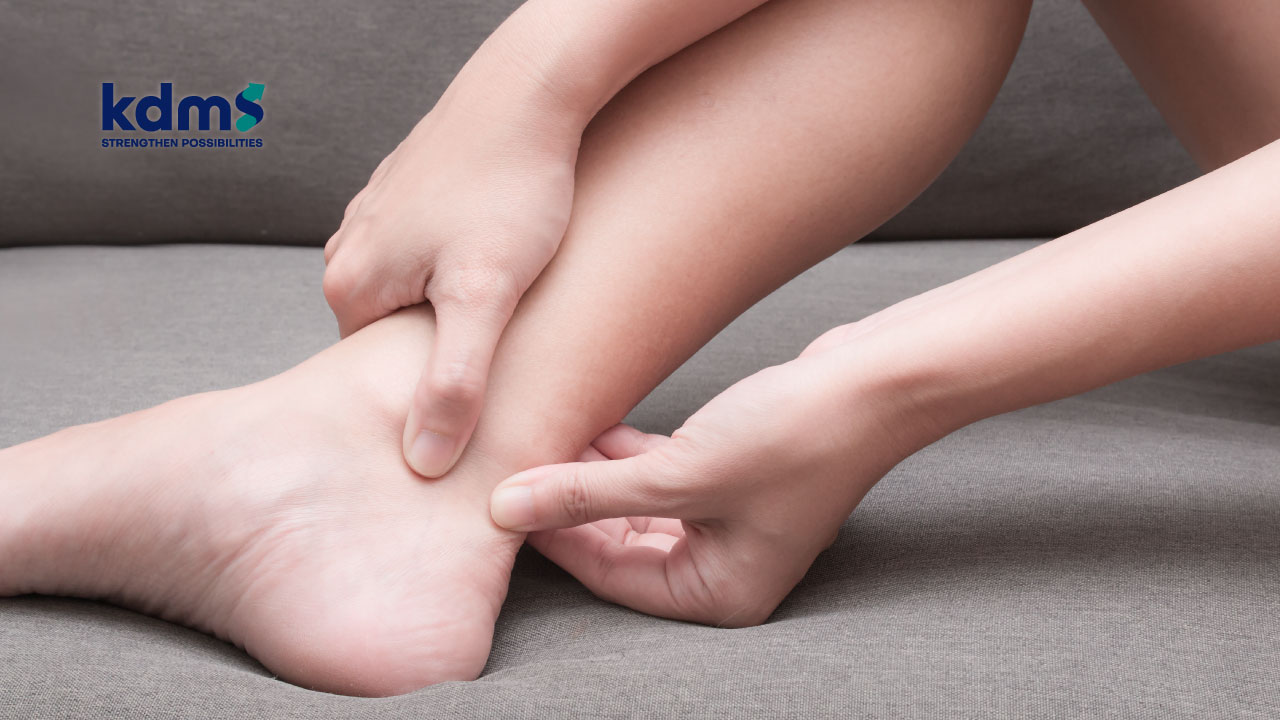
เอ็นร้อยหวาย คือเส้นเอ็นที่อยู่บริเวณด้านหลังของน่อง โดยเกาะจากน่องลงไปถึงส้นเท้า เอ็นร้อยหวายนี้ถือเป็นเส้นเอ็นที่มีขนาดใหญ่ที่สุด และมีความแข็งแรงที่สุดในร่างกาย ทำหน้าที่เป็นเหมือนสปริงที่ช่วยลดแรงกระแทกหรือส่งแรงถีบในขณะเราลุกขึ้นยืน เดิน วิ่ง หรือกระโดด ซึ่งเราจำเป็นต้องใช้งานมันตลอดเวลาในทุกๆ การเคลื่อนไหว
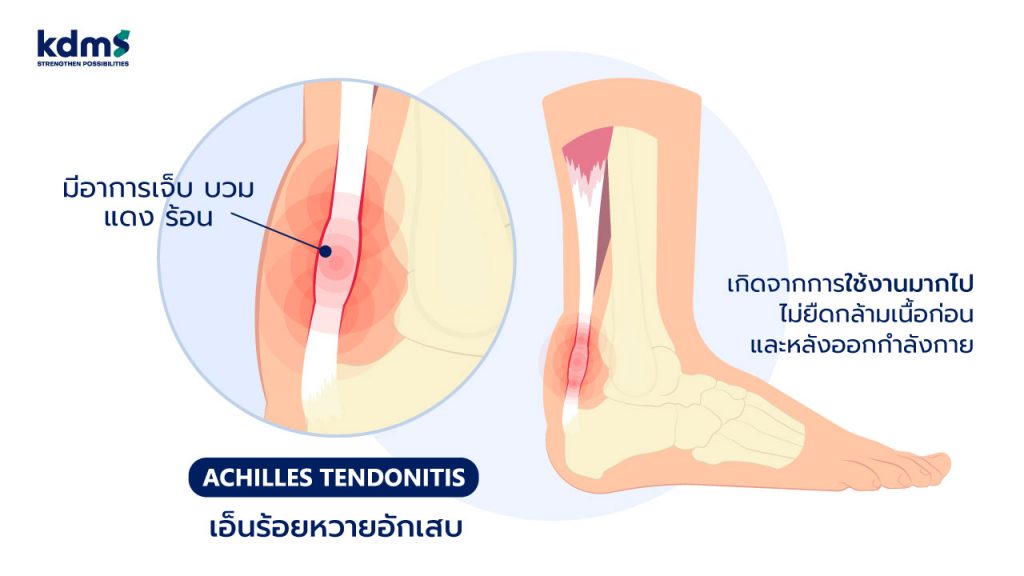
Table of Contents
เอ็นร้อยหวายอักเสบ เกิดขึ้นได้อย่างไร
- เกิดจากการใช้งานเยอะ ไม่ว่าจะเป็นการยืนนานๆ เดินเยอะ ออกกำลังกายในท่าซ้ำๆ จนทำให้เกิดการตึงและบาดเจ็บ การเล่นกีฬาโดยเฉพาะกีฬาที่มีการเร่งและชลอความเร็ว หรือกีฬาที่มีการกระโดดบ่อยๆ เช่น บาสเกตบอล ฟุตบอล แบดมินตัน ฯลฯ
- นอกจากเรื่องของการใช้งาน สิ่งสำคัญอีกอย่างหนึ่งคือการที่กล้ามเนื้อน่องและเอ็นร้อยหวายมีอาการตึง ไม่ยืดเหยียดกล้ามเนื้ออย่างเหมาะสมทั้งก่อนและหลังออกกำลังกาย เพราะการที่ปล่อยให้เส้นเอ็นตึงเกินไป แรงกระชากจากการใช้งานอาจทำให้เอ็นร้อยหวายเกิดการอักเสบได้ง่ายขึ้น
- เกิดการอักเสบจากโรคเกี่ยวกับกระดูกและข้อ เช่น โรคเกาต์ หรือโรคกลุ่มรูมาตอยด์ ซึ่งในผู้ป่วยบางรายอาจเกิดการอักเสบที่เส้นเอ็นร้อยหวายได้
เพราะเส้นเอ็นร้อยหวายตึง…จึงเกิดการอักเสบได้ง่าย?
โดยปกติแล้ว เอ็นร้อยหวายของแต่ละคนจะมีระดับความตึงที่แตกต่างกัน ซึ่งในคนที่เอ็นร้อยหวายตึงมากก็ไม่ได้หมายความจะมีแต่ข้อเสียเสมอไป เพราะความตึงจะเป็นเหมือนสปริงที่เป็นแรงส่งทำให้วิ่งได้เร็ว แรงถีบไกล กระโดดสูง เล่นกีฬาได้ดี
ในทางกลับกัน เมื่อเอ็นร้อยหวายตึง แรงดึงขณะใช้งานก็จะแรงมากขึ้นตามไปด้วย จึงทำให้มีโอกาสเกิดการอักเสบของเอ็นร้อยหวายตามมา ซึ่งการหมั่นยืดเหยียดกล้ามเนื้อเป็นประจำจะช่วยได้มากในเรื่องนี้ เพราะจะทำให้เส้นเอ็นมีความยืดหยุ่นมากขึ้น
เอ็นร้อยหวายอักเสบ จะมีอาการอย่างไรบ้าง
รู้สึกเจ็บที่บริเวณเอ็นร้อยหวายขณะใช้งาน
ในคนที่ยังอักเสบน้อย อาจจะรู้สึกเจ็บเวลาที่ใช้งานเยอะ เช่น ออกกำลังกาย หรือเล่นกีฬามากๆ
สำหรับคนที่มีอาการเอ็นร้อยหวายอักเสบมากขึ้น บางครั้งแค่เดินในระยะทางใกล้ๆ ก็รู้สึกเจ็บแล้ว
ซึ่งหากไม่ได้รับการรักษาที่เหมาะสม เอ็นร้อยหวายก็จะใช้งานได้น้อยลงเรื่อยๆ จนมีอาการเจ็บตลอดเวลาที่ใช้งาน เป็นต้น
มีอาการบวม แดง ร้อน บริเวณเอ็นร้อยหวาย
ส่วนคนที่มีอาการเส้นเอ็นร้อยหวายอักเสบบ่อยๆเป็นระยะเวลานาน แต่ไม่ได้รับการรักษาอย่างเหมาะสม มีอาการอักเสบเป็นๆ หายๆ เรื่อยๆ รวมทั้งไม่ได้บริหารเส้นเอ็นร้อยหวายอย่างสม่ำเสมอเป็นประจำ การปล่อยให้เป็นๆ หายๆ ในระยะเวลาหลายปีก็ไม่ใช่เรื่องที่ดีนัก เพราะจะส่งผลทำให้เอ็นร้อยหวายค่อยๆ เสื่อมและไม่แข็งแรง เมื่อเส้นเอ็นเปื่อยจะทำให้ฉีกขาดได้ง่าย หากมีการออกกำลังกายหรือใช้งาน เช่น กระโดด หรือเขย่งผิดจังหวะ ก็อาจทำให้เอ็นร้อยหวายเกิดการฉีกขาดได้
เอ็นร้อยหวายฉีกขาด รุนแรงแค่ไหน
เนื่องจากเอ็นร้อยหวายเป็นเส้นเอ็นที่ใหญ่และแข็งแรงที่สุดในร่างกาย เมื่อเกิดการฉีกขาดจะค่อนข้างรุนแรง ผู้ป่วยบางรายจะได้ยินเสียงป๊อบ (Pop sound) หรือรู้สึกมีการฉีกขาดที่น่องหรือเอ็นร้อยหวาย ซึ่งจังหวะที่เอ็นร้อยหวายฉีกขาดนั้น ส่วนใหญ่จะเกิดในขณะที่มีการเคลื่อนไหวหรือใช้งานเอ็นร้อยหวายอยู่ เช่น จังหวะการออกตัววิ่ง การกระโดด การเขย่ง
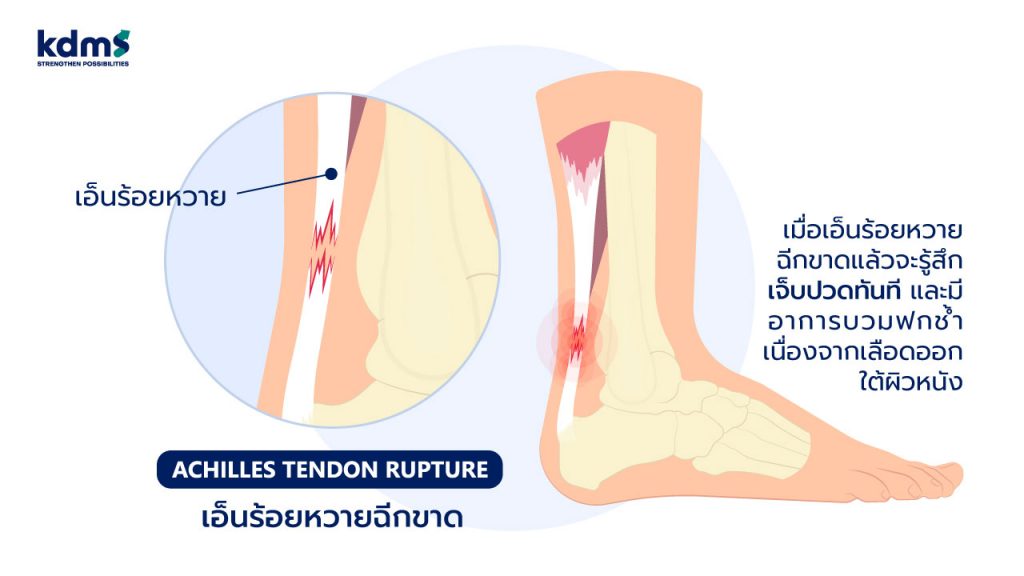
เมื่อเกิดการฉีกขาดแล้วจะรู้สึกเจ็บปวดทันทีที่บริเวณเอ็นร้อยหวาย และไม่สามารถลงน้ำหนักเท้าได้เต็มที่นัก ต้องมีคนช่วยพยุง หรือบางรายมีอาการเจ็บปวดมาก เดินไม่ไหว ต้องหยุดการเล่นกีฬาหรือกิจกรรมนั้นๆ ทันที หลังจากนั้นจะเริ่มมีอาการบวม ฟกช้ำใต้ผิวหนัง เนื่องจากมีเลือดออกบริเวณเอ็นร้อยหวายที่ฉีกขาด
ต่อมาหากไม่ได้รับการรักษา ผู้ป่วยอาจจะเริ่มเจ็บน้อยลง สามารถกลับมายืนได้ เดินได้ แต่จะมีความรู้สึกอ่อนแรง เหมือนขาไม่มีแรง ไม่สามารถยืนและเดินได้อย่างมั่นคง เนื่องจากไม่มีแรงถีบส่งจากเอ็นร้อยหวายที่ขาดไป และหากลองจับที่บริเวณเส้นเอ็นร้อยหวายอาจจะคลำลำเอ็นไม่ได้ หรือคลำได้ช่องระหว่างเส้นเอ็น
ขั้นตอนการตรวจเพิ่มเติม เพื่อช่วยในการวินิจฉัยอาการเอ็นร้อยหวายฉีกขาด
หลังจากทำการซักประวัติและตรวจร่างกายเบื้องต้นเรียบร้อยแล้ว โดยทั่วไปแพทย์จะสามารถให้การวินิจฉัยได้ระดับหนึ่ง ในผู้ป่วยบางรายที่ต้องการข้อมูลในการช่วยการวินิจฉัยได้แม่นยำมากขึ้น จะมีการใช้อุปกรณ์เพื่อใช้ในการตรวจเพิ่มเติม โดยหลักๆ จะมี 2 วิธี ได้แก่
- การเอกซเรย์ (X-Ray)
โดยปกติจะใช้เพื่อดูความผิดปกติของกระดูก แต่ก็สามารถบอกความผิดปกติของเส้นเอ็นและเนื้อเยื่อรอบๆ ได้บางส่วน เช่น มีเงาของเส้นเอ็นร้อยหวายผิดปกติไป ไม่ต่อเนื่องกัน ประกอบกับมีเงาของเนื้อเยื่อรอบๆ บวมมากขึ้น ทำให้สงสัยว่าจะมีเส้นเอ็นร้อยหวายฉีกขาด
- การตรวจด้วยคลื่นแม่เหล็กไฟฟ้า (MRI)
การตรวจด้วยคลื่นแม่เหล็กไฟฟ้าเป็นวิธีที่ดีที่สุดในการช่วยวินิจฉัยภาวะเส้นเอ็นร้อยหวายฉีกขาด เพราะสามารถมองเห็นเส้นเอ็นได้ชัดเจน อีกทั้งยังเห็นอาการบวมของเนื้อเยื่อรอบๆ ได้ดี ซึ่งนับเป็นตัวที่ช่วยวินิจฉัยที่ดีที่สุดสำหรับกลุ่มอาการของเอ็นร้อยหวายอักเสบและฉีกขาด
วิธีรักษาเส้นเอ็นร้อยหวายฉีกขาดด้วยการผ่าตัด มีทางเลือกแบบใดบ้าง
ด้วยเทคโนโลยีทางการแพทย์ในปัจจุบัน การผ่าตัดเอ็นร้อยหวายฉีกขาดจะมี 2 แบบ ได้แก่ การผ่าตัดเย็บซ่อมเส้นเอ็นร้อยหวายด้วยการเปิดแผล และการผ่าตัดเย็บซ่อมเอ็นร้อยหวายด้วยเทคนิคแผลเล็ก
- การผ่าตัดเย็บซ่อมเส้นเอ็นร้อยหวายด้วยการเปิดแผล
เป็นการผ่าตัดแบบทั่วไป โดยจะเป็นการเปิดแผลขนาดประมาณ 10-15 เซนติเมตร เพื่อให้เห็นเส้นเอ็น และทำการเย็บซ่อมให้แข็งแรง แต่การผ่าตัดด้วยวิธีนี้จะเปิดแผลค่อนข้างใหญ่ ทำให้ฟื้นตัวได้ช้า แผลผ่าตัดขนาดใหญ่อาจมีโอกาสติดเชื้อได้มากกว่า มีแผลเป็นขนาดใหญ่กว่า ทำให้การดูแลรักษาหลังผ่าตัดใช้เวลานานขึ้น
- การผ่าตัดเย็บซ่อมเอ็นร้อยหวายด้วยเทคนิคแผลเล็ก
เป็นการผ่าตัดด้วยเทคนิคใหม่ เย็บซ่อมเส้นเอ็นด้วยอุปกรณ์พิเศษทำให้เปิดแผลเล็กลง ข้อดีคือขนาดของแผลเล็กเพียง 3-4 เซนติเมตร ทำให้มีการบาดเจ็บต่อผิวหนังและเนื้อเยื่อรอบๆ น้อย สามารถเย็บซ่อมเส้นเอ็นได้แข็งแรง โอกาสแผลติดเชื้อหลังผ่าตัดน้อยลง ใช้เวลาพักฟื้นรวดเร็ว และมีแผลเป็นน้อย
ป้องกันอย่างไรไม่ให้เกิดเอ็นร้อยหวายอักเสบ
วิธีที่ดีที่สุดคือการหมั่นยืดเอ็นร้อยหวายอย่างสม่ำเสมอ โดยเฉพาะก่อนและหลังการออกกำลังกายหรือเล่นกีฬา ทั้งนี้ ไม่จำเป็นว่าจะต้องเป็นนักกีฬาเท่านั้นที่ต้องทำอย่างสม่ำเสมอ แต่คนทั่วไปก็สามารถทำได้ เพราะจะเป็นการลดความตึงของเอ็นร้อยหวาย ทำให้เส้นเอ็นมีความยืดหยุ่น และสามารถใช้งานได้อย่างมีประสิทธิภาพ
หลายคนอาจคิดว่าโรคเอ็นร้อยหวายอักเสบเป็นอาการที่จะเกิดขึ้นในช่วงเวลาที่ไม่ทันได้ตั้งตัว ไม่มีอาการบอกเหตุมาก่อน แต่จริงๆ แล้วเราสามารถหาทางป้องกันได้ด้วยการดูแลร่างกายตัวเองด้วยวิธีการต่างๆ ดังที่อธิบายไว้ในบทความนี้ และถ้าทำอย่างสม่ำเสมอ ไม่เพียงแต่จะเพิ่มความแข็งแรงให้เอ็นร้อยหวายเท่านั้น แต่ร่างกายของเราก็จะดีขึ้นตามไปด้วย
Q&A
Q: เจ็บเอ็นร้อยหวายขณะที่เดินมาเป็นเวลานาน ตอนแรกแค่เป็นๆ หายๆ แต่ช่วงหลังมานี้เจ็บทุกวัน ควรทำอย่างไรดี
กรณีที่รู้สึกเจ็บบริเวณเอ็นร้อยหวาย หากยังไม่สะดวกเข้าพบแพทย์เพื่อรับการรักษา เบื้องต้นควรพักการใช้งาน จากนั้นให้หมั่นประคบเย็น และกินยาเพื่อลดอาการอักเสบ
หลังจากการอักเสบทุเลาลงแล้ว และผู้ป่วยสามารถกลับมาใช้งานได้ตามปกติ ก็ต้องหมั่นยืดเหยียดเอ็นร้อยหวายอย่างสม่ำเสมอ เพื่อให้เส้นไม่ตึงและไม่กลับมาอักเสบซ้ำอีก
Q: หลังจากการผ่าตัดเย็บซ่อมเอ็นร้อยหวายเสร็จแล้ว จะมีวิธีดูแลตัวเองอย่างไร และต้องใช้เวลานานแค่ไหนจึงจะกลับไปเล่นกีฬาได้
หลังผ่าตัดเส้นเอ็นร้อยหวาย ปกติแล้วจะต้องใช้เวลาประมาณ 6 สัปดาห์ถึง 3 เดือนที่เส้นเอ็นจะเชื่อมต่อกันได้ดี โดยช่วงแรกแพทย์จะยังไม่ให้ลงน้ำหนักที่เท้า หลังจากนั้นจะคอยติดตามอาการและค่อยๆ เพิ่มการลงน้ำหนักเท้ามากขึ้นเป็นลำดับ
โดยทั่วไปผู้ป่วยจะเริ่มเดินเท้าเปล่าได้ภายในช่วง 3 เดือนหลังผ่าตัด แต่เนื่องจากเส้นเอ็นและกล้ามเนื้อไม่ได้ใช้งานมานาน จึงอาจลีบเล็กลงบ้าง ทำให้ต้องมีการฝึกใช้งานใหม่เพื่อให้กล้ามเนื้อเส้นเอ็นมีกำลังมากขึ้น โดยการจะกลับไปวิ่งเบาๆ ได้อาจต้องใช้เวลาประมาณ 6 เดือน หรือถ้ากลับไปเล่นฟุตบอลหรือกีฬาที่เป็นการแข่งขัน อาจต้องใช้เวลาประมาณ 9 เดือนถึง 1 ปี ทั้งนี้ ขึ้นอยู่กับความเอาใจใส่ในการบริหารกล้ามเนื้อของผู้ป่วยแต่ละคน ถ้าหมั่นทำการบริหารเป็นประจำก็อาจจะสามารถกลับไปเล่นกีฬาที่เรารักได้เร็วขึ้น

 history
  appointment